Kawasaki, TBG Ready Commercial Loading Arm For Liquefied Hydrogen Shipping
Ship-To-Shore Arm Completes Nearly A Year Of Testing And Will Serve Japan’s Kawasaki LH2 Terminal
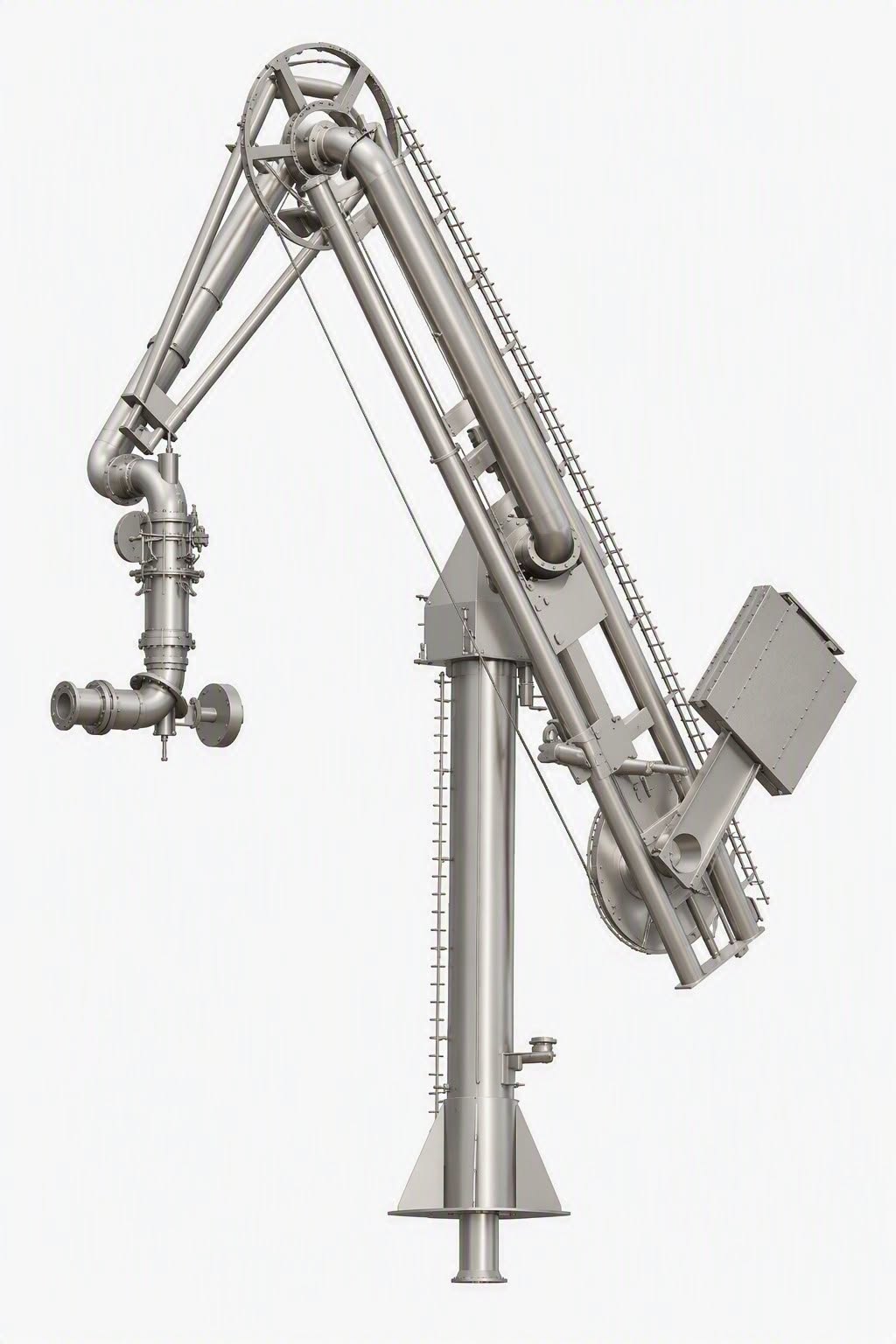
Kawasaki Heavy Industries and TB Global Technologies (TBG), a group company of Tokyo Boeki Holdings, have completed joint development of a 6-inch (150 mm) loading arm for transferring liquefied hydrogen between ships and shore. The companies describe it as the world’s first commercial-specification loading arm for ship-to-shore liquefied hydrogen transfer.
The new arm builds on a pilot unit Kawasaki and TBG first developed in 2018. That unit handled liquefied hydrogen cargo at the Hy touch Kobe receiving terminal in 2022 during the first demonstration of marine transportation and cargo handling of liquefied hydrogen produced from brown coal. The companies began designing and developing the commercial model in August 2023.
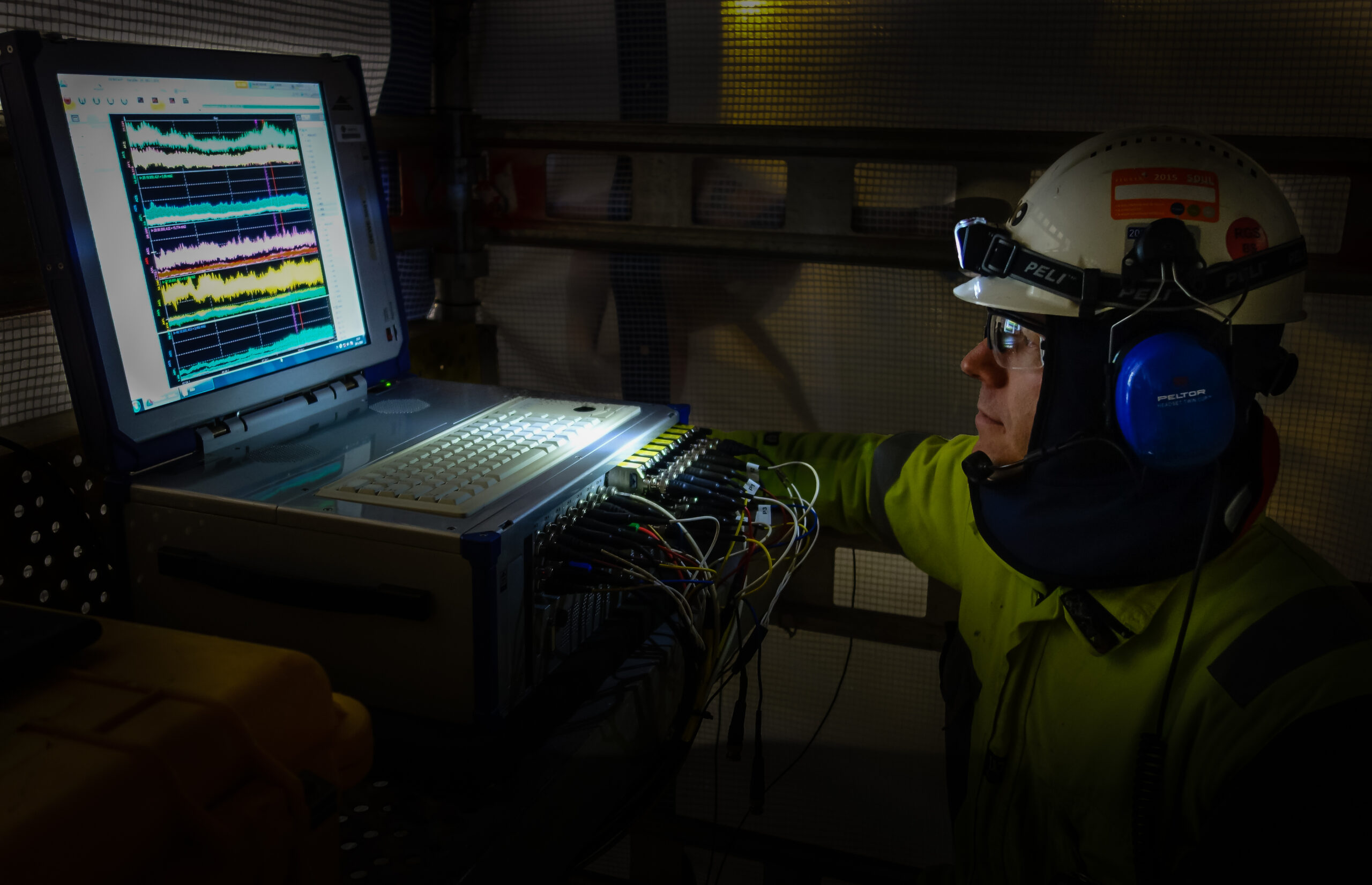
From August 2025 through July 2026, Kawasaki and TBG ran verification tests with liquefied hydrogen at the Japan Aerospace Exploration Agency’s Noshiro Rocket Testing Center. The equipment was designed and tested in compliance with ISO 24132 and is ISO-certified as commercial-specification equipment.
Compared with the pilot unit, the commercial version includes several design changes. The redesigned arm structure has greater reach, allowing it to serve larger vessels. The swivel joint uses a stronger seal design and a new seal-gas system to improve reliability, reduce helium consumption, and maintain the internal pressure needed for sealing. In the emergency release system, the drip pan that collects liquid oxygen generated during an emergency release now drops by gravity instead of using hydraulic actuation, and a simpler clamp mechanism is designed to improve reliability and make maintenance easier. The ship-to-shore coupler uses a flange-type connection that requires no insertion, reducing operator workload and enabling a lighter, more compact design. The coupler also meets the technical certification requirements of Nippon Kaiji Kyokai (ClassNK), which awarded technical certification to a liquefied hydrogen ship-to-shore connection in December 2025.
Japan Suiso Energy is scheduled to install three units at the Kawasaki LH2 Terminal, which it is building on Ogishima in Kawasaki City, Kanagawa Prefecture. The terminal will receive liquefied hydrogen from a 10.6 million-gallon (40,000 m³)-class carrier as part of the New Energy and Industrial Technology Development Organization’s Green Innovation Fund project to develop a large-scale hydrogen supply chain.
Kawasaki and TBG called the loading arm essential cargo-handling equipment for large-scale marine transportation of liquefied hydrogen and a step toward global liquefied hydrogen supply chains.