Turning E-Methane Into Low-Carbon LNG
Galveston LNG Bunker Port Lands Another Major Deal On Road To Becoming Operational In 2028
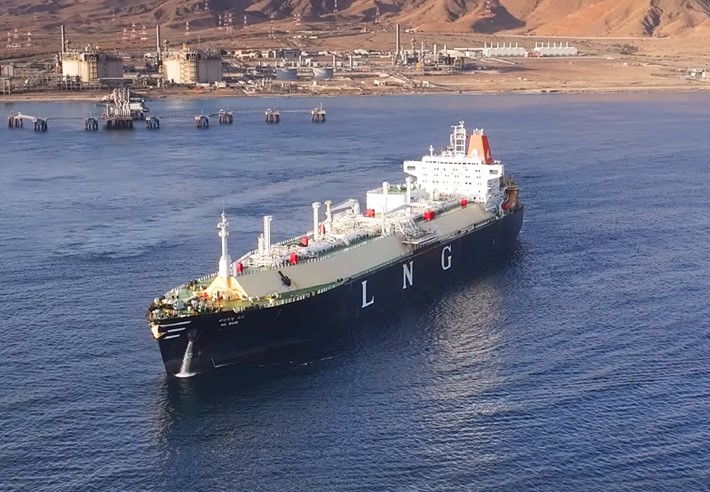
(Image Courtesy Of Pilot LNG)
Loa Carbon and Texas-based Galveston LNG Bunker Port LLC (GLBP), a joint venture between Seapath Group and Pilot LNG, announced the signing of a Letter of Intent (LOI) where Loa Carbon (Loa) will provide renewable e-methane directly to GLBP for liquefaction. GLBP will provide the e-liquefied natural gas (e-LNG) fuel to customers seeking low carbon fuels.
By providing LNG as a marine fuel, the project aims to significantly reduce emissions from shipping, including a 99% reduction in sulfur oxide (SOx), 96% reduction in particulate matter, 90% reduction in nitrous oxide (NOx), and 25%-30% reduction in greenhouse gases.
Fueling Vessels With e-LNG
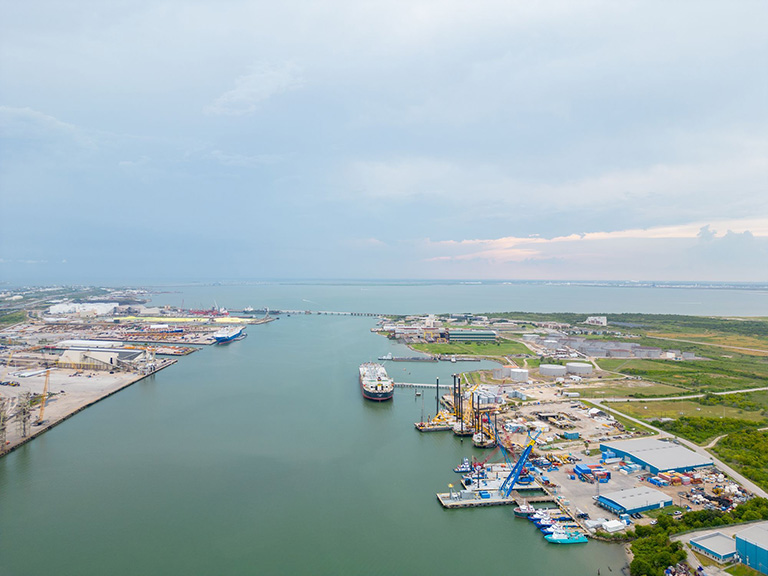
Located on the Texas City Ship Channel in the Texas City industrial area, the GLBP facility will serve as a platform to supply e-LNG by fuel barge to the rapidly expanding fleet of LNG-fueled vessels in the greater Houston-Galveston region. The GLBP facility is located in close proximity to major ports, including the Port Houston, the Port of Galveston, and the Port of Texas City.
The facility will be able to serve LNG-fueled vessels, including cruise ships, container ships, and car carriers. The cruise ship, roll on-roll off car carriers and containerized shipping industries are particularly notable due to their significant bunker requirements and their prominent involvement in the Galveston Bay port complex. According to GLBP, cruise ships already make approximately 380 port calls each year at the three existing cruise terminals in Galveston, with a 4th terminal recently announced and starting construction. In addition, there are over 10,000 deep draft vessel calls annually in the Galveston Bay port complex.
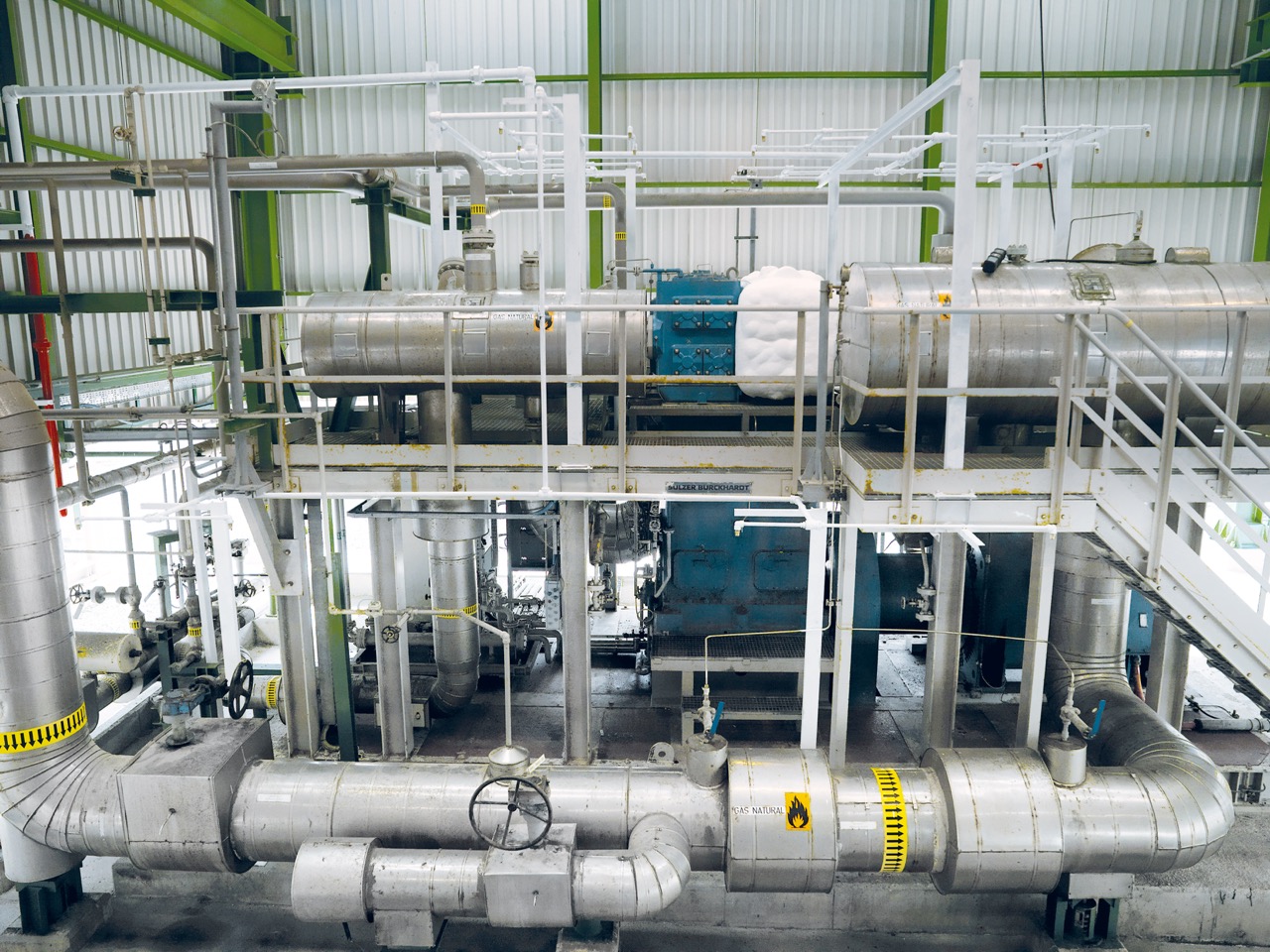
(Image Courtesy Of Galveston LNG Bunker Port)
Building On Existing Infrastructure
The Texas City location offers GLBP and Loa Carbon unique advantages for the supply of cost-competitive e-methane production. There is abundant carbon dioxide (CO₂) feedstock available with Texas City, which is home to extensive chemical and refining infrastructure. This offers a significant amount of industrially captured CO2 for future scale-up potential. In addition, the region offers biogenic CO2, with Loa having identified nearby landfills. GLBP is ideally situated to supply the growing Galveston Bay port complex fuel and bunker markets. This includes LNG marine fuel deliveries directly to customers in the port complex and surrounding areas, such as the Galveston Offshore Lightering Area.
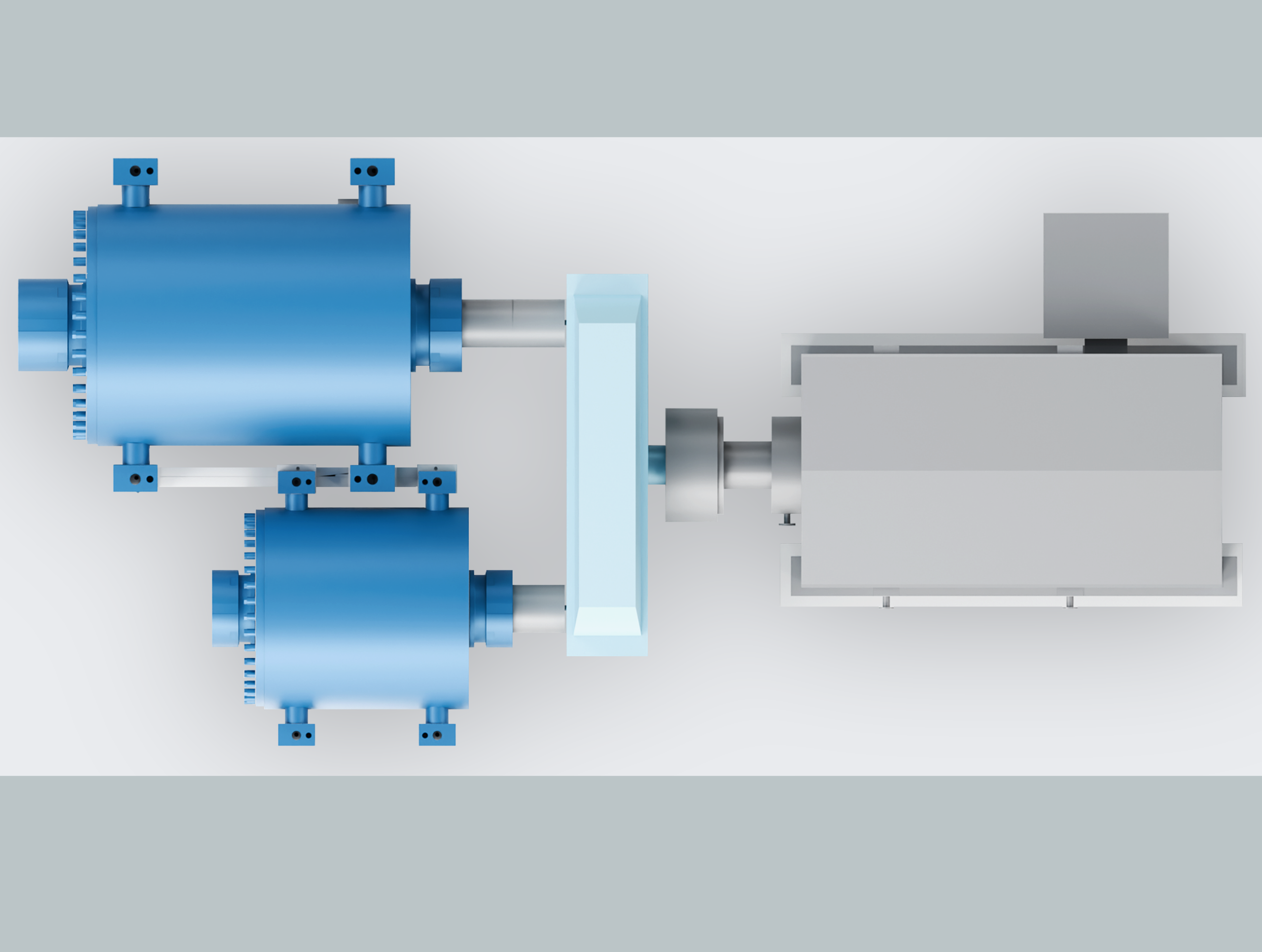
Loa decarbonizes heavy industry by producing ultra-low-carbon e-methane from renewable electricity and waste CO2. While direct electrification works for many applications, energy-dense sectors like maritime shipping require a different approach, moving electrification upstream to fuel production. Loa’s proprietary heat-exchange reactor converts green hydrogen and biogenic CO2 into a drop-in fuel that works seamlessly with conventional LNG. According to Loa, the cost-effective, modular process can be deployed flexibly at CO2 sources or directly at liquefaction facilities to meet FuelEU and International Maritime Organization compliance requirements.
“This integrated approach provides shipowners a clear pathway to scalable, cost-transparent, ultra-low-carbon fuel without requiring operational changes to their vessels or bunkering procedures,” said Dan Wojno, chief operating officer for Loa Carbon. “We are pleased to be partnering with GLBP, the leading and only proposed dedicated LNG bunker project in the Houston-Galveston region.”
Pathway To Green Hydrogen
Co-locating Loa Carbon’s e-methane production modules on the Galveston LNG Bunker Port site enables direct injection into the terminal city gate systems for FuelEU compliance, ensuring seamless blending with conventional LNG, and creating a one-stop fueling for shipowners requiring both volume and carbon compliance. Additionally, the State of Texas offers low-cost renewable power. The Electric Reliability Council of Texas Inc’s high-renewables grid and competitive electricity rates, combined with the 45V hydrogen production tax credit, enable cost-competitive green hydrogen production.
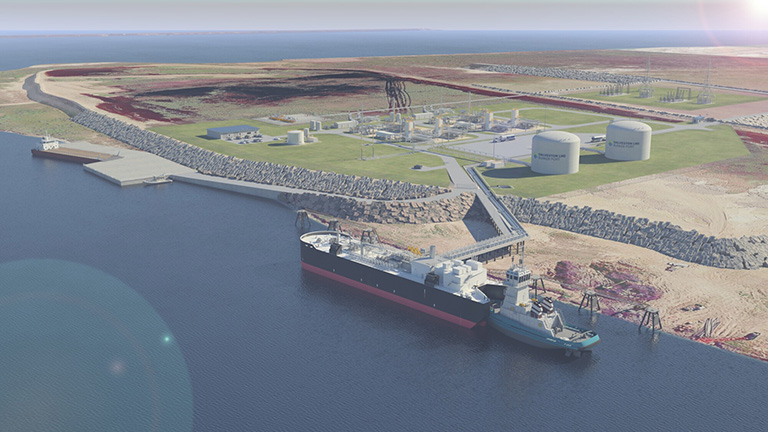
The GLBP project is projected to come online in 2028 as the US Gulf Coast’s first dedicated LNG liquefaction facility for marine bunkering. Operations of GLBP are projected to commence in 2028. The 140-acre (57 ha) greenfield development has two phases with a total capacity of up to 720,000 gallons (3.8 liters) per day accompanied by two 3-million-gallon (11.4-million-liter) storage tanks. Phase one includes a 360,000 gallon-per-day (1,362,748-liter-per-day) LNG production facility, a natural gas pipeline, a control room, warehouse, utilities, and marine barge loading facilities.
“This partnership with Loa Carbon will enable GLBP to offer low-carbon e-LNG to customers in search of sustainable fuel solutions,” said Jonathan Cook, chief executive officer of Pilot LNG. “GLBP will be the first supplier of LNG bunker fuel to provide e-LNG in North America. The e-LNG supplied to our customers will have one of the lowest Carbon Intensity scores on a well-to-wake basis. By producing LNG at the supply side of the value chain, we eliminate the need for shipping and storage, thereby reducing overall emissions compared to LNG bunker fuel delivered in Europe or Asia. Simply put, partnering with Loa makes perfect sense.”
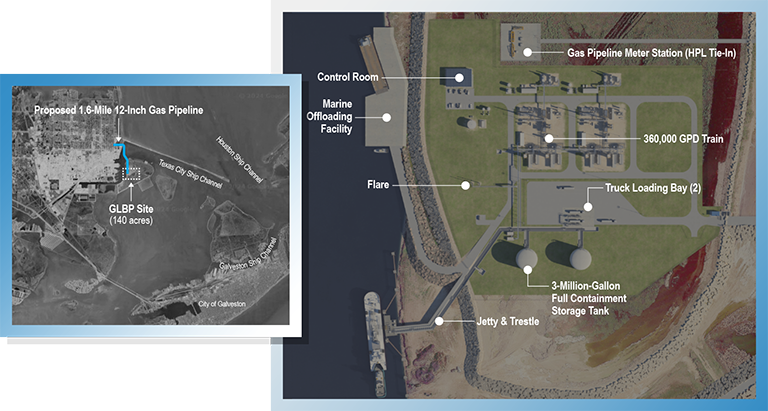
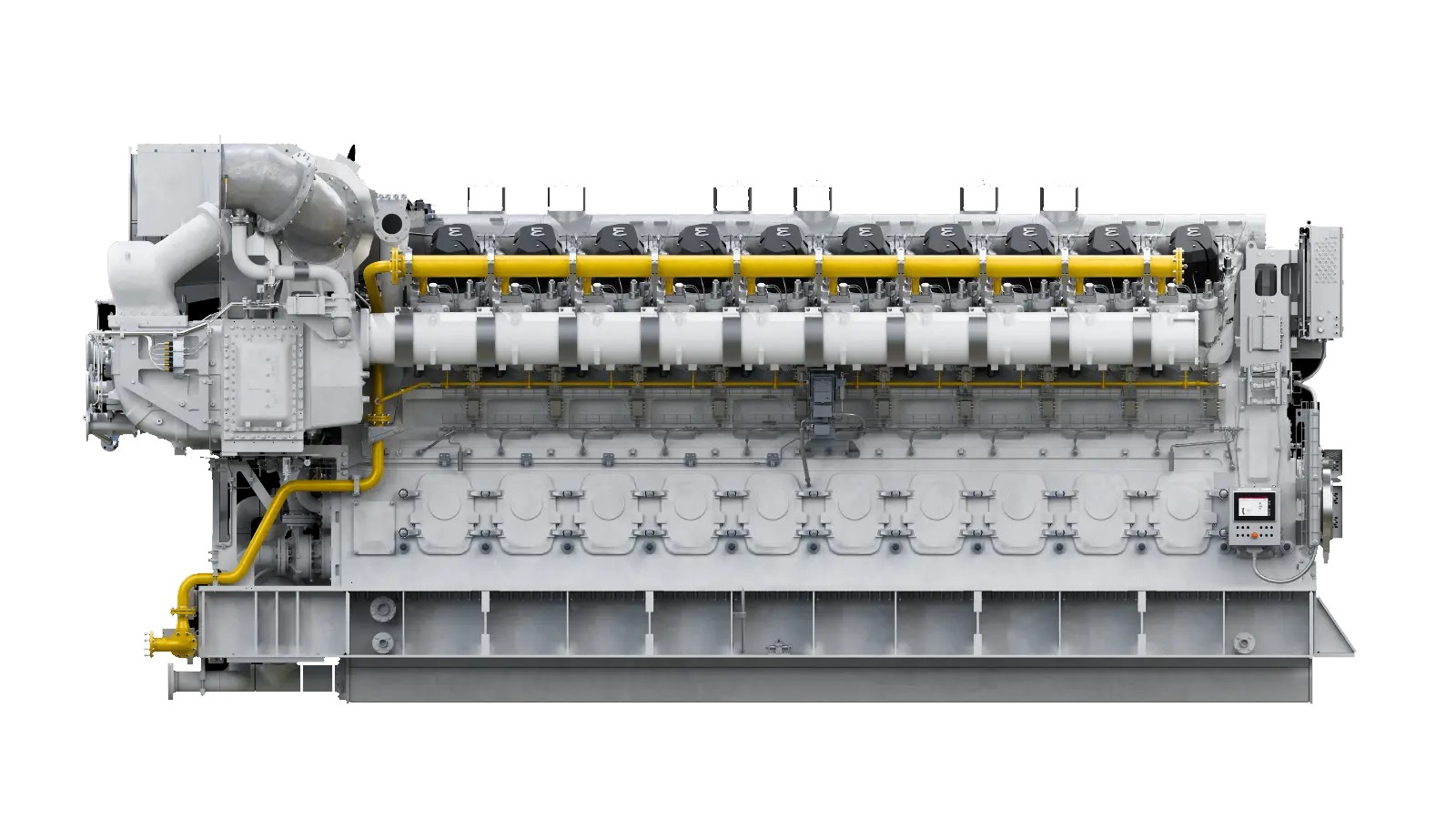
(Image Courtesy Of Galveston LNG Bunker Port)
Homing In On FID
The LOI follows up a string of announcements to push the project closer to reaching a final investment decision (FID)
In September 2024, GLBP and Energy Transfer’s Houston Pipeline Company (HPL) executed agreements, which outline the gas supply and additional pipeline facilities required for the delivery of natural gas to the GLBP facility.
In March 2025, GLBP signed a sales and purchase agreement with Dunmura Ltd on both a free-on-board or a delivered-ex-ship basis. Dunmura was established in 2024 to capitalize on the explosive growth potential of LNG as a marine fuel and develop a new platform for physical LNG bunkers and specialty bunker ships to supply the rapidly growing LNG fueled global fleet.
In May of this year, the project secured all necessary permits for construction, including final authorizations from the US Army Corps of Engineers and US Coast Guard. With these permits in place, GLBP could announce an FID before the end of the year.