Halliburton, SLB For UK Carbon Capture Hub
Northern England Progresses On Hydrogen, Carbon Capture Infrastructure
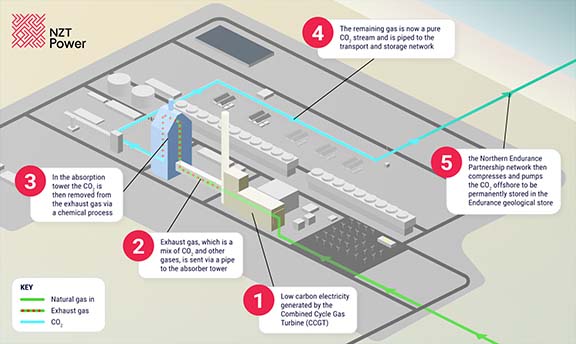
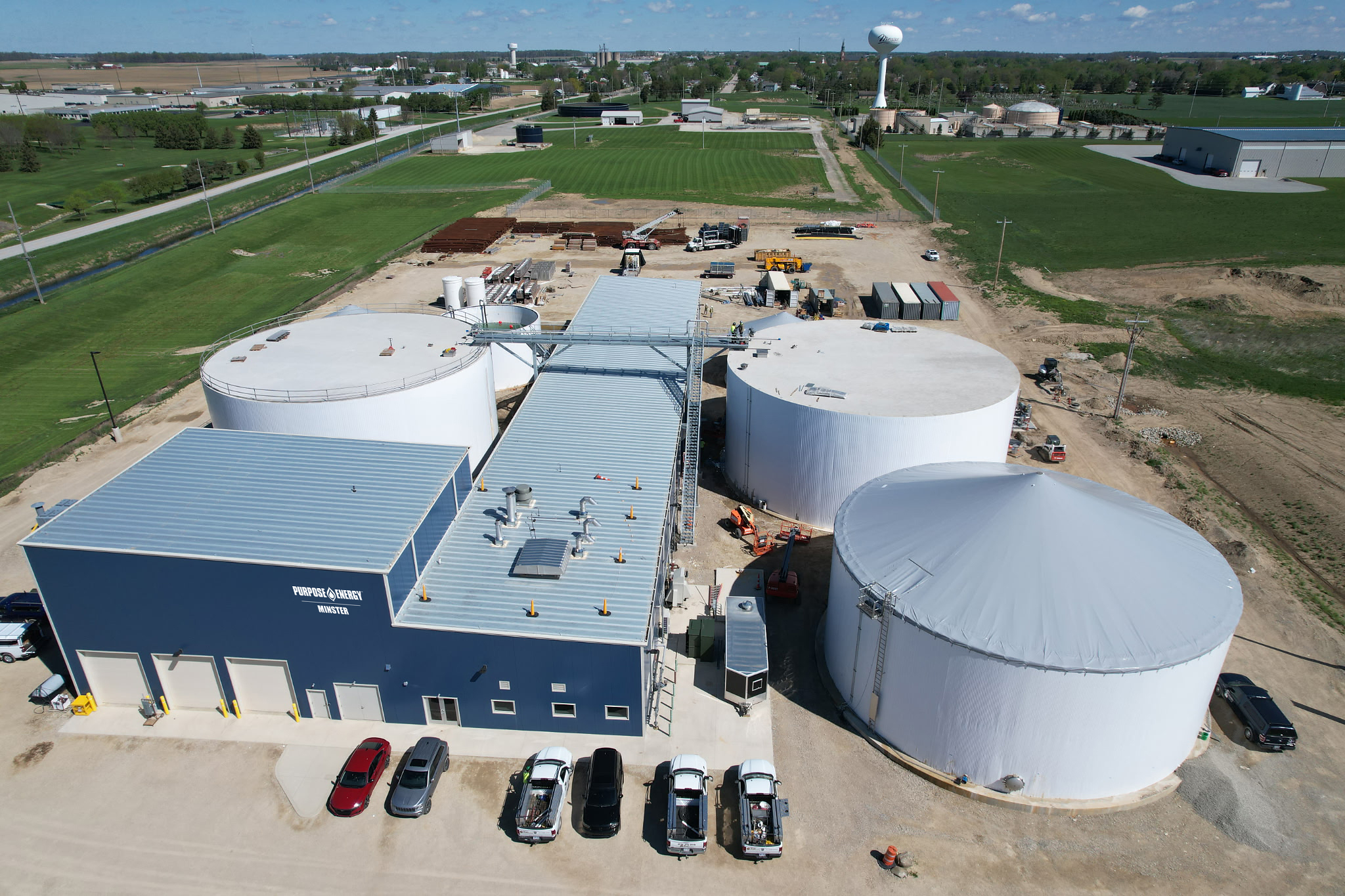
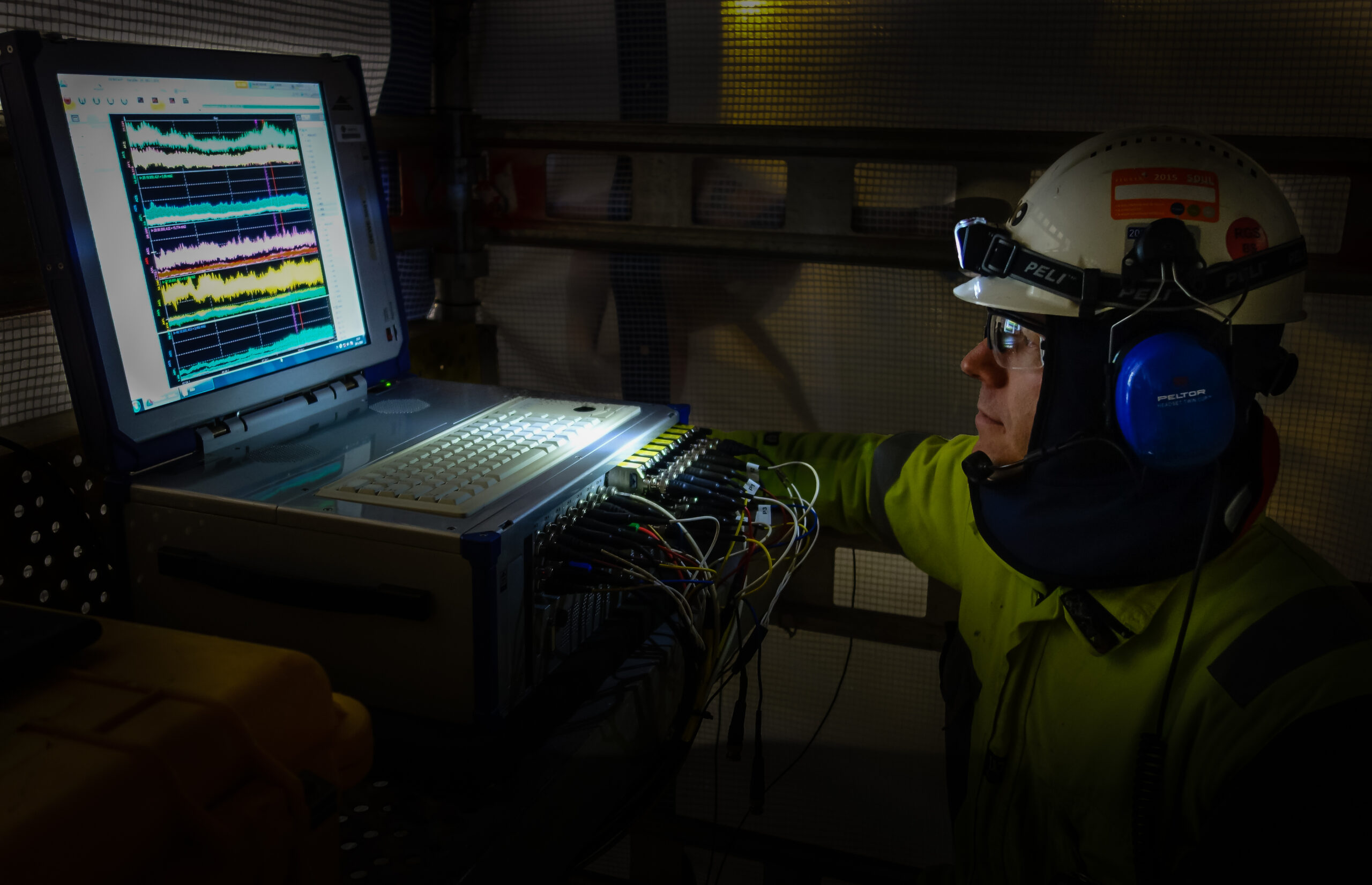
(Image Courtesy Of NZT Power).
Halliburton announced a contract award to provide completions and downhole monitoring services for the Northern Endurance Partnership (NEP) carbon capture and storage (CCS) system in northeast England’s East Coast Cluster (ECC). NEP was formed in 2020 as a carbon dioxide (CO2) transportation and storage company to provide the onshore and offshore infrastructure needed to capture carbon from a range of emitters.
Halliburton will manufacture and deliver the majority of the equipment required for this project from its UK completion manufacturing facility in Arbroath, Scotland. For more than 50 years, the center has supported North Sea operations and provides on-site product development and testing resources alongside advanced manufacturing capabilities to support efficient production and the delivery of equipment. “Halliburton is pleased to develop and deliver innovative well completions and monitoring solutions for this groundbreaking carbon storage project,” said Jean-Marc Lopez, senior vice president, Europe, Eurasia, and Sub-Saharan Africa region, Halliburton. “This project allows expansion of our completions activity and showcases Halliburton’s leadership in CCS projects. We look forward to the opportunity to deliver our services to support the NEP project.”
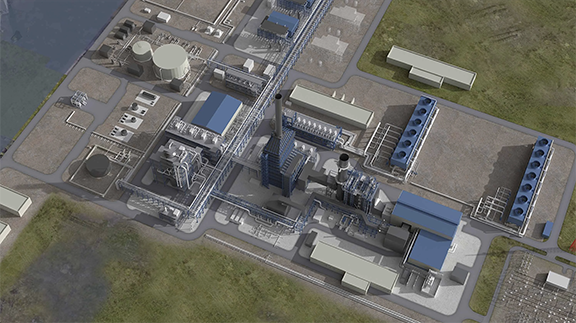
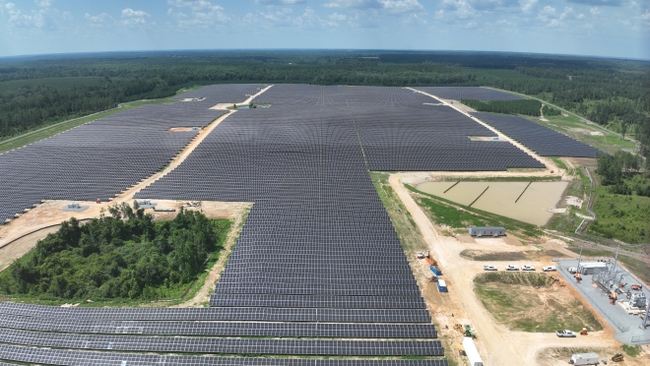
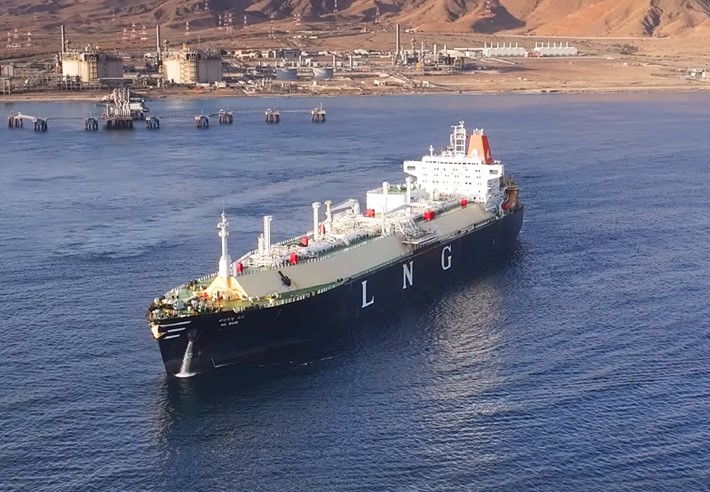
(Image Courtesy Of Technip Energies)
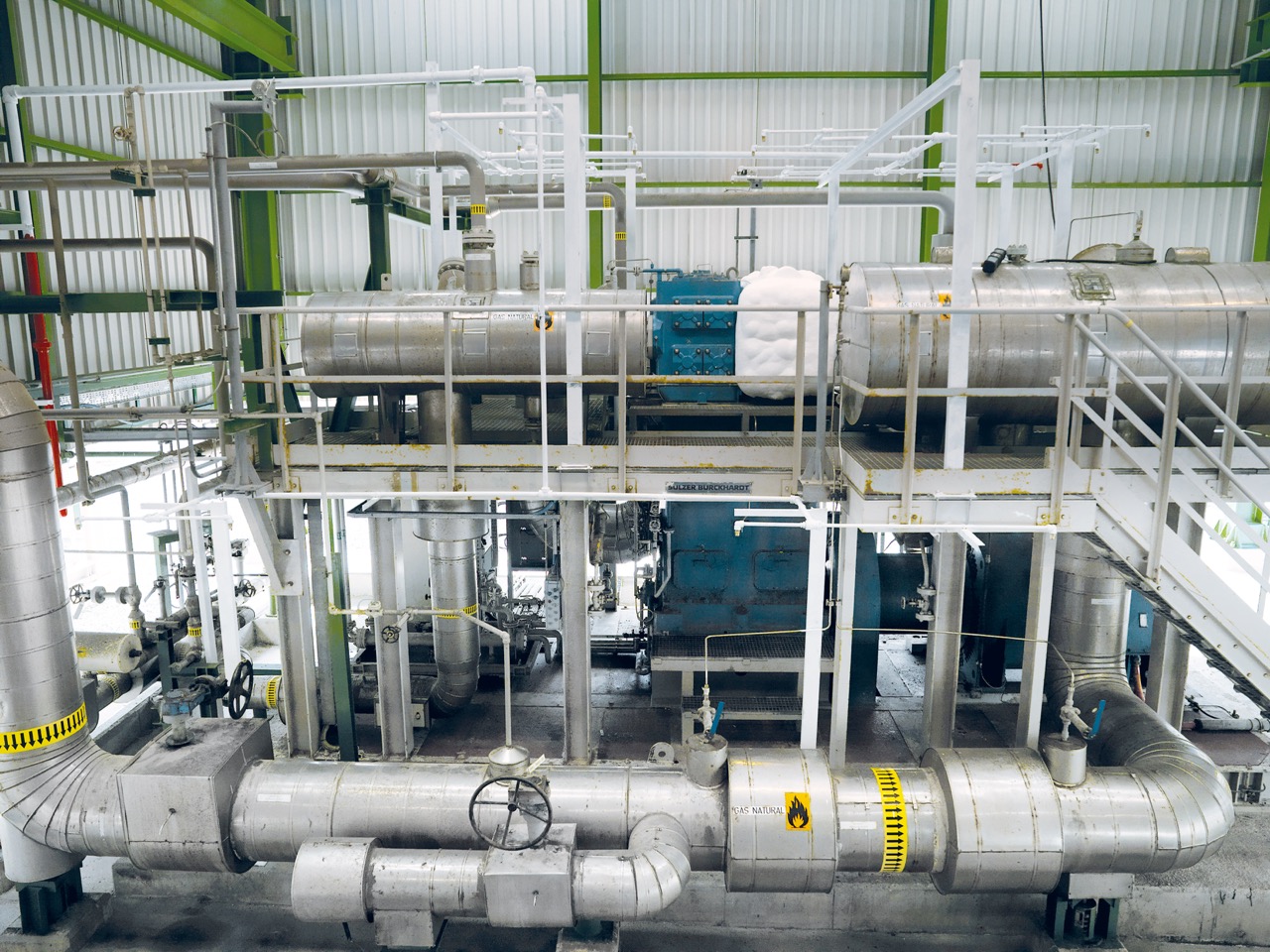
(Image Courtesy Of GE Vernova)
SLB To Construct Carbon Storage Wells
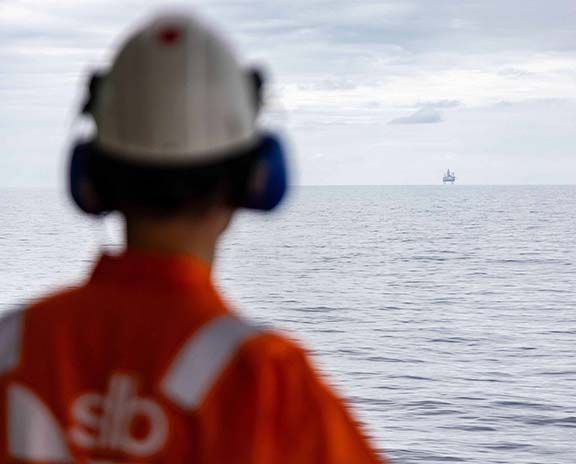
Halliburton’s contract news came just weeks after SLB, formerly Schlumberger, was awarded a technologies and services contract for carbon storage site development in the North Sea by the NEP. SLB will leverage technologies in its Sequestri carbon storage solutions portfolio to construct six carbon storage wells. SLB will use these technologies that are specifically engineered for CCS sites to fulfill drilling, measurement, cementing, fluids, completions, wireline, and pumping services.
“Technologies and services tailored for carbon storage will play a critical role in shifting the economics and safeguarding the integrity of carbon storage projects before and after the FID [final investment decision],” said Katherine Rojas, senior vice president of Industrial Decarbonization at SLB. “We are excited to be a part of this groundbreaking CCS project in the UK, leveraging the proven carbon storage technologies in our Sequestri portfolio and our extensive expertise delivering complex CCS projects around the world.”
The Halliburton and SLB contracts will help develop storage wells that will be instrumental in preparing the project’s subsea infrastructure and moving the carbon capture projects along to the construction phase. Construction was originally estimated to begin in mid-2025, with first CO2 expected by 2028. However, construction has yet to begin on the Teesside projects as of press time.
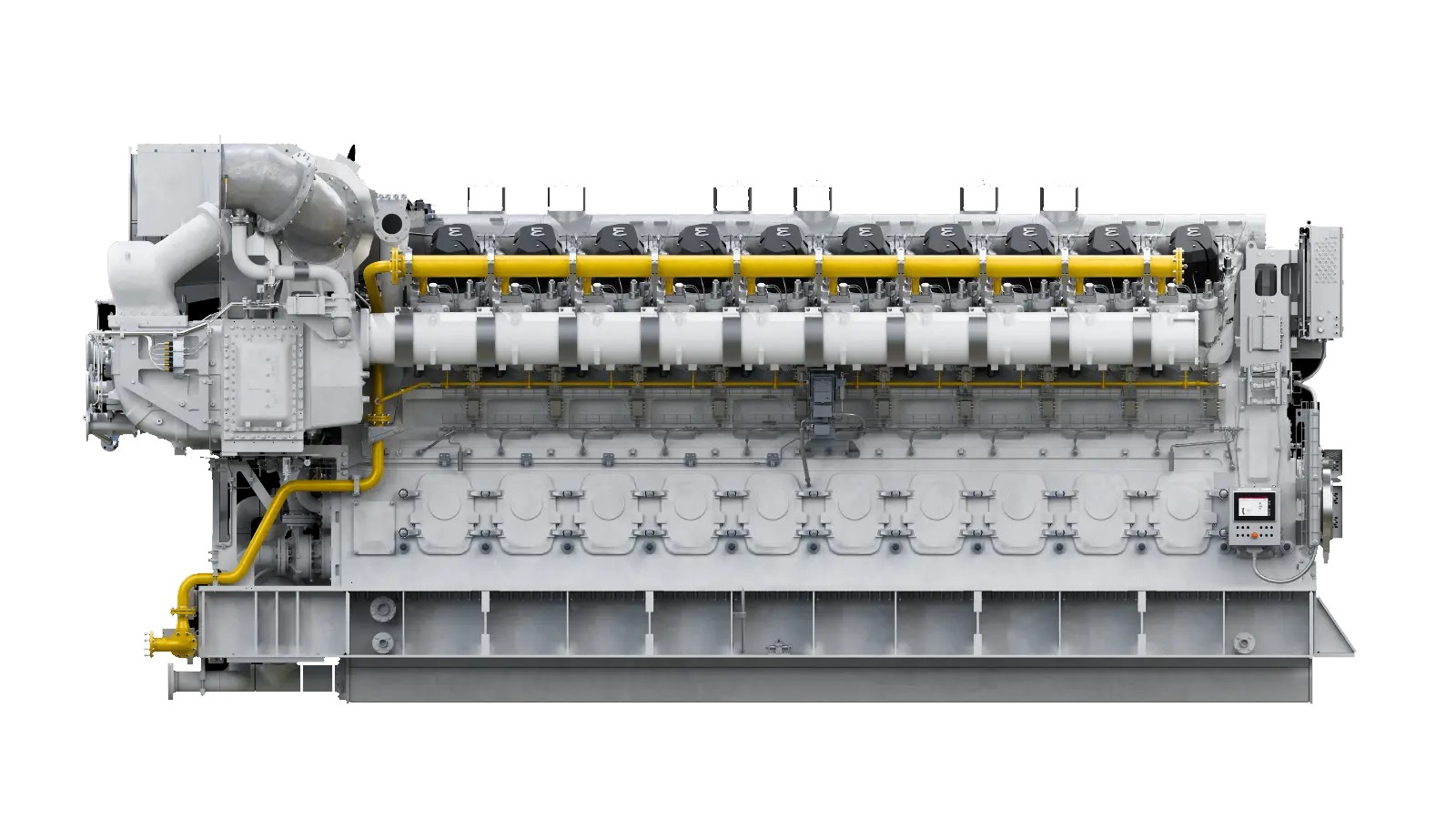
(Image Courtesy Of Net Zero Teesside)
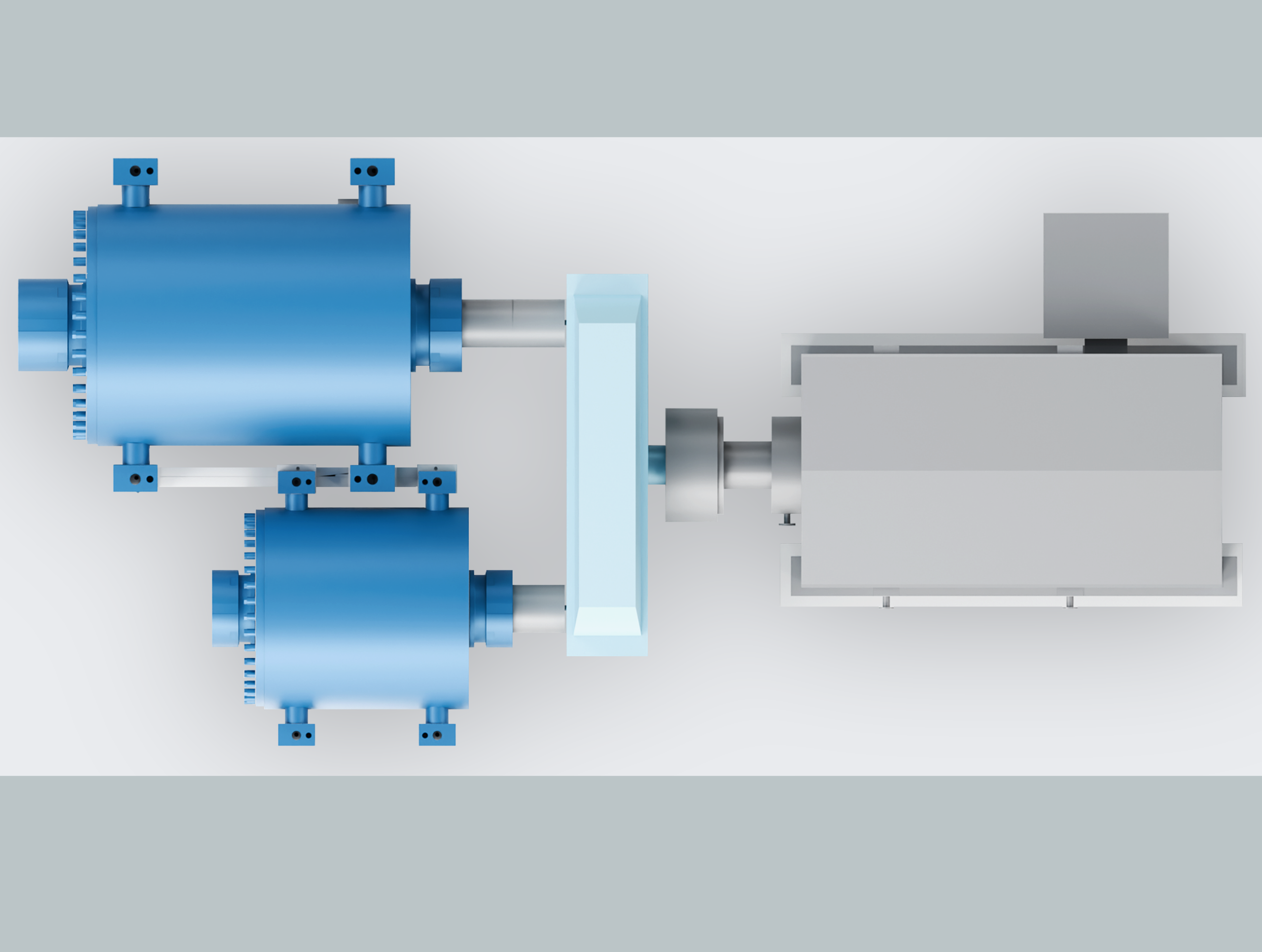
(Image Courtesy Of SLB)
Carbon Capture At Scale
In December 2024, Equinor, BP, and TotalEnergies, through the NEP, and Equinor and BP, through their Net Zero Teesside Power (NZT Power) joint venture, announced a financial close after taking a FID to execute three of the UK’s first carbon capture and storage projects in Teesside, England, United Kingdom. Equinor and BP each hold a 45% stake in NEP, and TotalEnergies holds a 10% stake. BP Holds a 75% stake in NZT Power and Equinor holds a 25% stake. BP serves as operator for NEP and NZT Power.
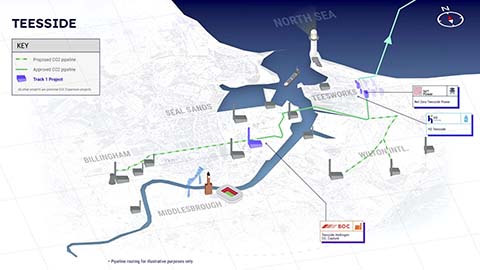
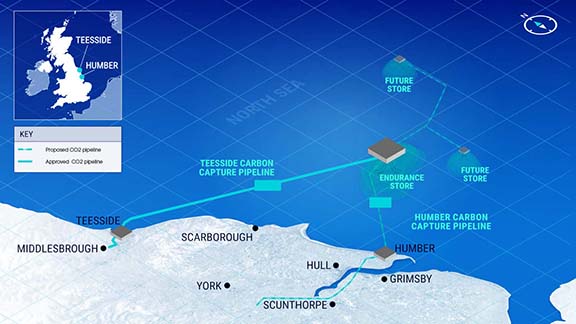
The NEP infrastructure will initially serve three carbon capture projects in the Teesside region (NZT Power, H2Teesside, and Teesside Hydrogen CO2 Capture). Infrastructure includes an onshore CO2 gathering network, compression facilities, and a 90-mile (145-km) offshore pipeline connected to subsea injection facilities in the NEP saline aquifer located around 3281 ft. (1000 m) below the seabed. The three Teesside projects are expected to transport and permanently store 4 MTPA of CO2, with room to expand to 23 MTPA by 2035 as the ECC expands. The ECC comprises two industrial regions in the United Kingdom, Teesside and Humber, which are both situated on the North Sea.
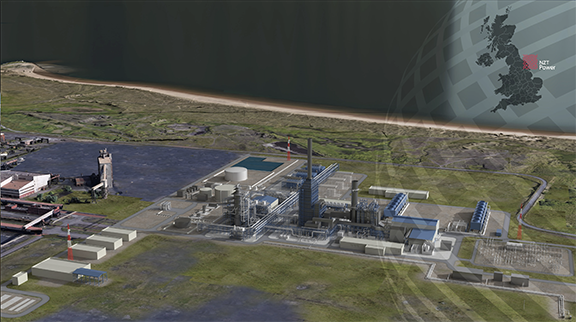
NZT Power, part of the ECC, will be a first-of-its-kind gas-fired power plant with carbon capture, which supports the decarbonization ambitions across the northeast of England’s industrial regions. The plant will have the capacity to generate up to 742 MW of decarbonized, flexible power, complementing a growing share of intermittent renewable power. The capacity is equivalent to the average electricity demand of around 1 million UK homes. It will have a capacity to capture up to 2 MTPA of CO2 for transport and secure storage for the NEP project.
NEP has been granted government approval to progress development engineering for the Humber Carbon Capture Pipeline, the proposed onshore infrastructure project that would transport CO2 from future selected caron capture projects in the Humber region. Supported by the UK Government, NZT Power is expected to attract private investment and help the United Kingdom to meet its climate goals. NZT Power is aligned with the UK plan to reduce carbon emissions to net zero by 2050.