The Moon Goes Nuclear
NASA To Build Nuclear Reactor On The Moon By 2030 As Us-China Space Race Heats Up
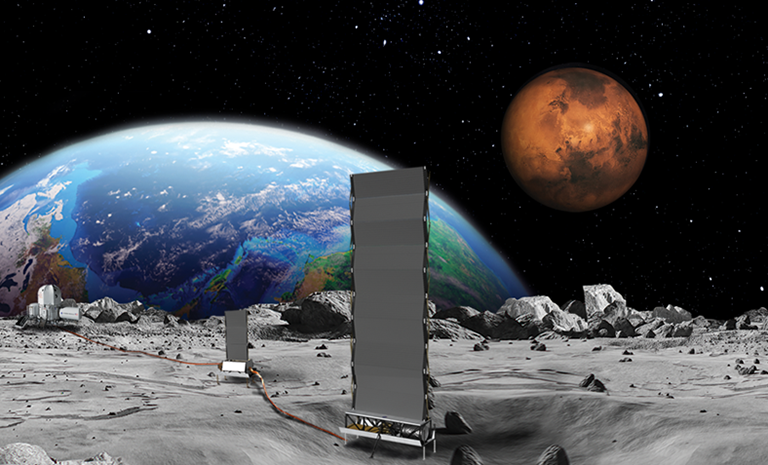
Building a nuclear reactor on the moon sounds like an idea straight out of the 20th-century Space Race or a Jules Verne novel. But that’s exactly what US Transportation Secretary, Sean Duffy, discussed in a press conference on Aug. 5.
“We’re in a race to the moon, in a race with China to the moon,” said Duffy. “And to have a base on the moon, we need energy. And some of the key locations on the moon, we’re going to get solar power, but this fission technology is critically important. And so, we’ve spent hundreds of million of dollars studying can we do it, we are now going to move beyond study, and we are going, we’ve given direction to go, let’s start to deploy our technology to move to actually make this a reality.”
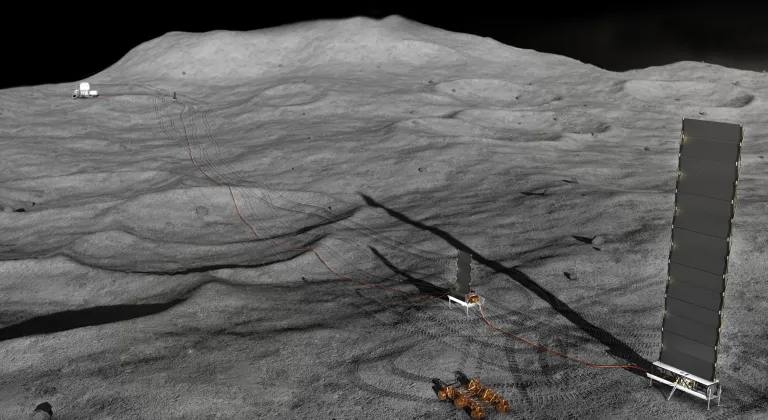
(Image Courtesy Of NASA)
The reactor is expected to generate 100 kW of output, which Duffy said was the equivalent of three and a half days of energy used by a 2000 ft.2 (186 m2) home.
“But again, energy is important, and if we’re going to be able to sustain life on the moon, to then go to Mars, this technology is critically important,” said Duffy. “And I would just note that we’re behind, right? If we’re, if we’re going to engage in the race to the moon and the race to Mars, we have to get our act together. We have to marshal all of our resources, all of our focus on going to the moon, which is what we’re going to do.”
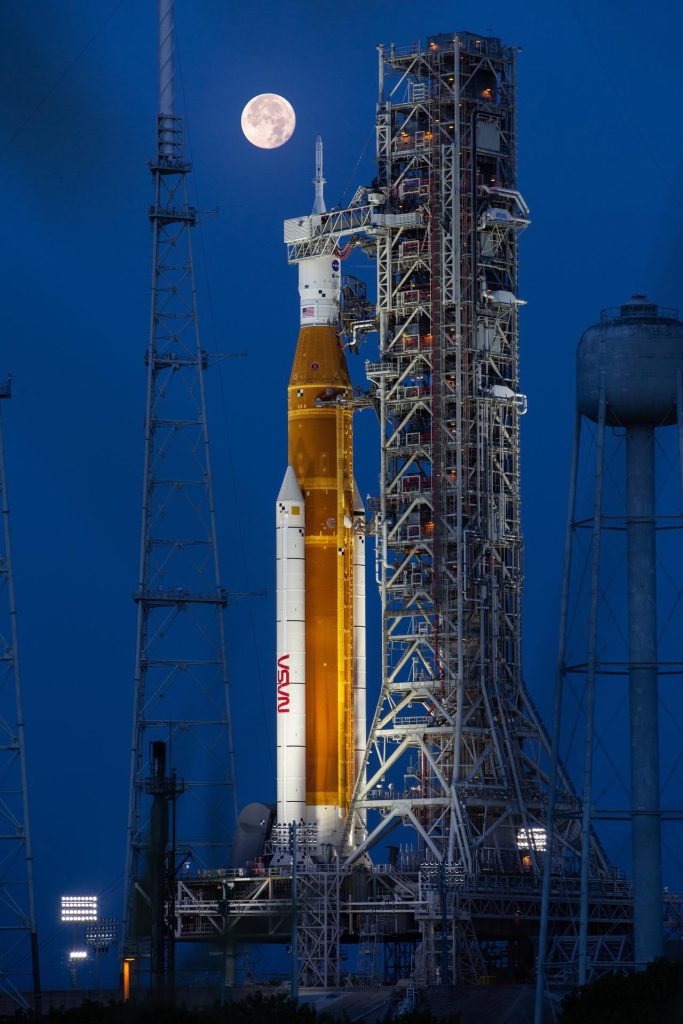
(Image Courtesy Of NASA, Cory Huston)
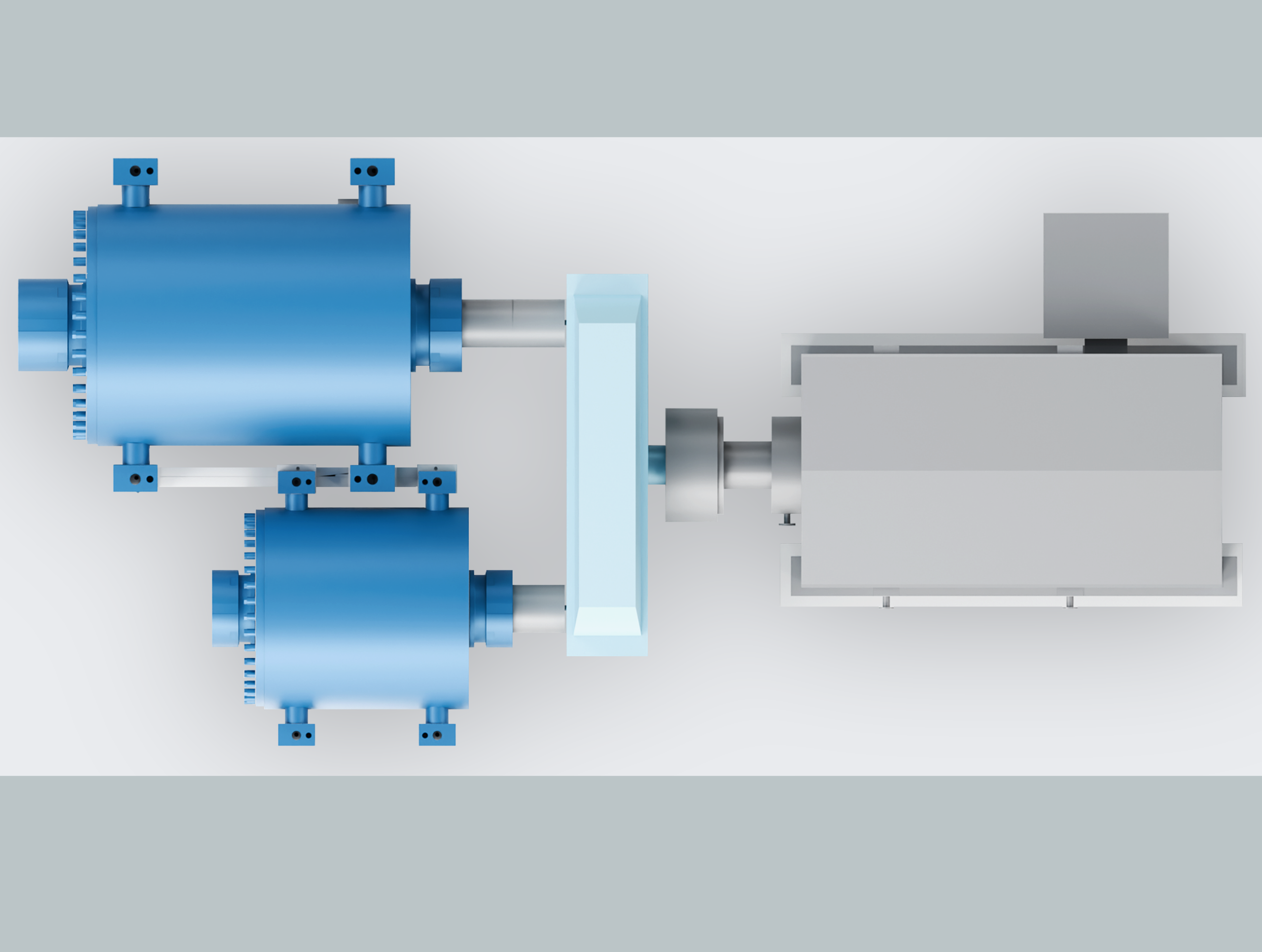
Duffy’s commentary builds on NASA’s January 2024 announcement to develop a small, electricity-generating nuclear fission reactor that could be used during a future demonstration on the Moon and to inform future designs for Mars. Called the Fission Surface Power Project, the idea is to place a nuclear reactor in in permanently shadowed areas (where there may be water ice) or generate power continuously during lunar nights, which are 14-and-a-half Earth days long. NASA designed the requirements for this initial reactor to be open and flexible to maintain the commercial partners’ ability to bring creative approaches for technical review.
The Fission Surface Power Project could lay the groundwork for accomplishing the mission of NASA’s Artemis program, which is to return humans to the moon and eventually, to Mars. Named after the twin sister of Apollo and Greek goddess of the Moon, Artemis, the program includes the development of Gateway, which is a small space station in lunar orbit that will serve as a stepping stone for future projects.
“And again, there’s a lot of things that NASA does, and a lot of people love a lot of the things that NASA does, but this is about space exploration, and this is about this next phase,” said Duffy. “A lot of people don’t know even what Artemis is. Everyone knew what Apollo was, the whole world knew what Apollo was. We were going to the moon. Artemis is we’re going back. So, in the first part of next year, we are going to send Artemis 2 out, I met the four astronauts, they’re fantastic, we are going to go out around the moon and come back. Artemis 3, we are going to go back to the moon, we’re going to land. The longest time we spent in the past was three days, we are going to stay for six days. And then after that, we are able to start shipping our assets to the moon unmanned. We’ll have those assets there as our astronauts arrive and we’re able to build a base. But this is critically important. There’s a certain part of the moon that everyone knows is the best. We have ice there, we have sunlight there, we want to get there first and claim that for America. This part of the fission technology is critically important to sustain life because solar won’t do it. But it’s just a lower amount of that fission technology that’s going to allow human life to sustain.”