Hydrogen Growth Continues Amid Challenges
Low-Emission Hydrogen Market Share Could Quadruple By 2030
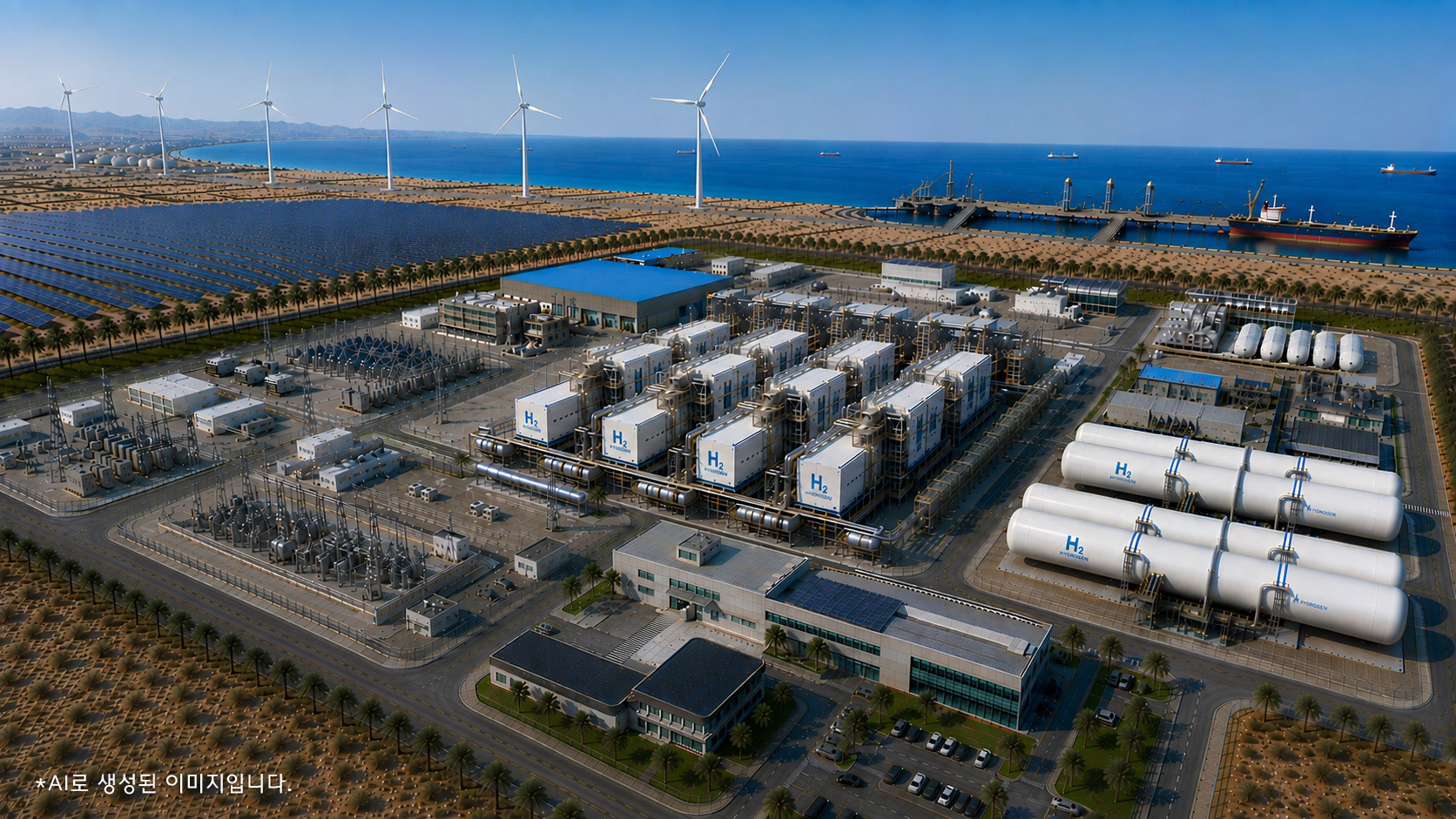
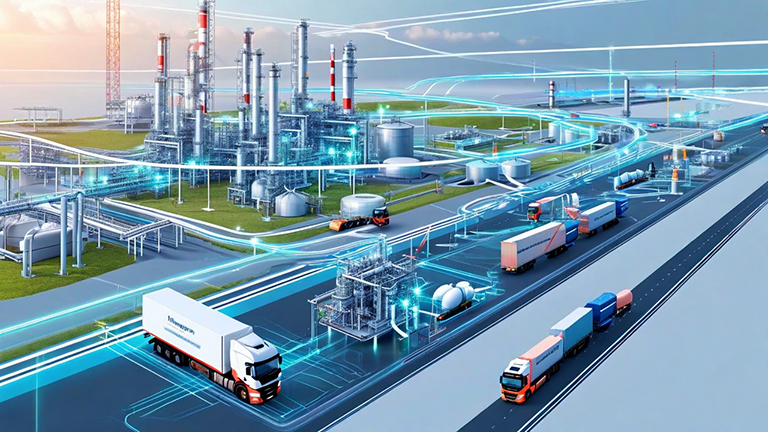 (Image Created Using Amazon Nova Generator)
The International Energy Agency’s (IEA) Global Hydrogen Review 2025 paints a complex picture of the hydrogen sector’s evolution — marked by steady demand growth, technological advancements, and persistent headwinds that slow the growth of low-emission hydrogen production.
Global hydrogen demand reached nearly 100 MTPA in 2024, a 2% increase from the previous year. This growth mirrors overall energy demand trends and was driven primarily by traditional sectors such as oil refining and industrial manufacturing. According to the report, “Demand from new applications accounted for less than 1% of the total and was almost entirely concentrated in biofuels production.”
Despite growing interest in clean hydrogen, the supply side remains dominated by fossil fuels. In 2024, hydrogen production consumed 10.24 tcf (290 x 109 m3) of natural gas and 90 MTPA of coal equivalent, underscoring the sector’s carbon intensity. Low-emissions hydrogen production — defined as hydrogen produced via electrolysis using renewable electricity or fossil fuels with carbon capture — grew by 10% in 2024 and is expected to reach 1 MTPA in 2025. However, the IEA notes that this still represents less than 1% of global production.
The report acknowledges that the transition to low-emissions hydrogen lags behind expectations. High costs, uncertain demand, regulatory complexity, and slow infrastructure development have led to a wave of project delays and cancellations. “A recent wave of project delays and cancellations has reduced expectations for the deployment of low-emissions hydrogen this decade,” the report states. Yet, the sector is not without momentum. Since 2020, over 200 low-emissions hydrogen projects have received final investment decisions (FIDs), compared to just a handful of demonstration projects previously.
Another finding in the IEA’s report is the decline in projected low-emissions hydrogen production by 2030. Based on announced projects, potential production now stands at 37 MTPA, down from 49 MTPA projected in the IEA’s Global Hydrogen Review 2024. This drop is attributed to widespread delays and cancellations, particularly in electrolysis-based projects, which accounted for over 80% of the total decline. These setbacks affected early-stage initiatives across Africa, the Americas, Europe, and Australia.
That being said, the number of projects that have reached FID has grown by almost 20% since last year and now represent 9% of the total project pipeline to 2030. The IEA remains cautiously optimistic, stating that “low-emissions hydrogen production from projects that are today operational or have reached FID is set to reach 4.2 MTPA by 2030,” a fivefold increase from 2024 levels. While this is far below initial ambitions, it would still mark a significant shift, raising the share of low-emissions hydrogen from less than 1% today to around 4% by 2030.
Cost remains a central barrier. The IEA explains that “the cost gap between low-emissions hydrogen and unabated fossil-based production remains a key barrier for project development.” This gap widened due to falling natural gas prices and rising electrolyzer costs, driven by inflation and slower-than-expected deployment. Support schemes will be necessary for longer than previously anticipated.
But the cost outlook is improving. In China, the IEA notes that renewable hydrogen could become cost-competitive by the end of the decade due to low technology costs and favorable financing. In Europe, carbon pricing and high renewable potential are expected to narrow the gap. At the same time, in regions like the United States and the Middle East, where natural gas is cheaper, carbon capture-based hydrogen is likely to be more viable in the near term, the IEA said.
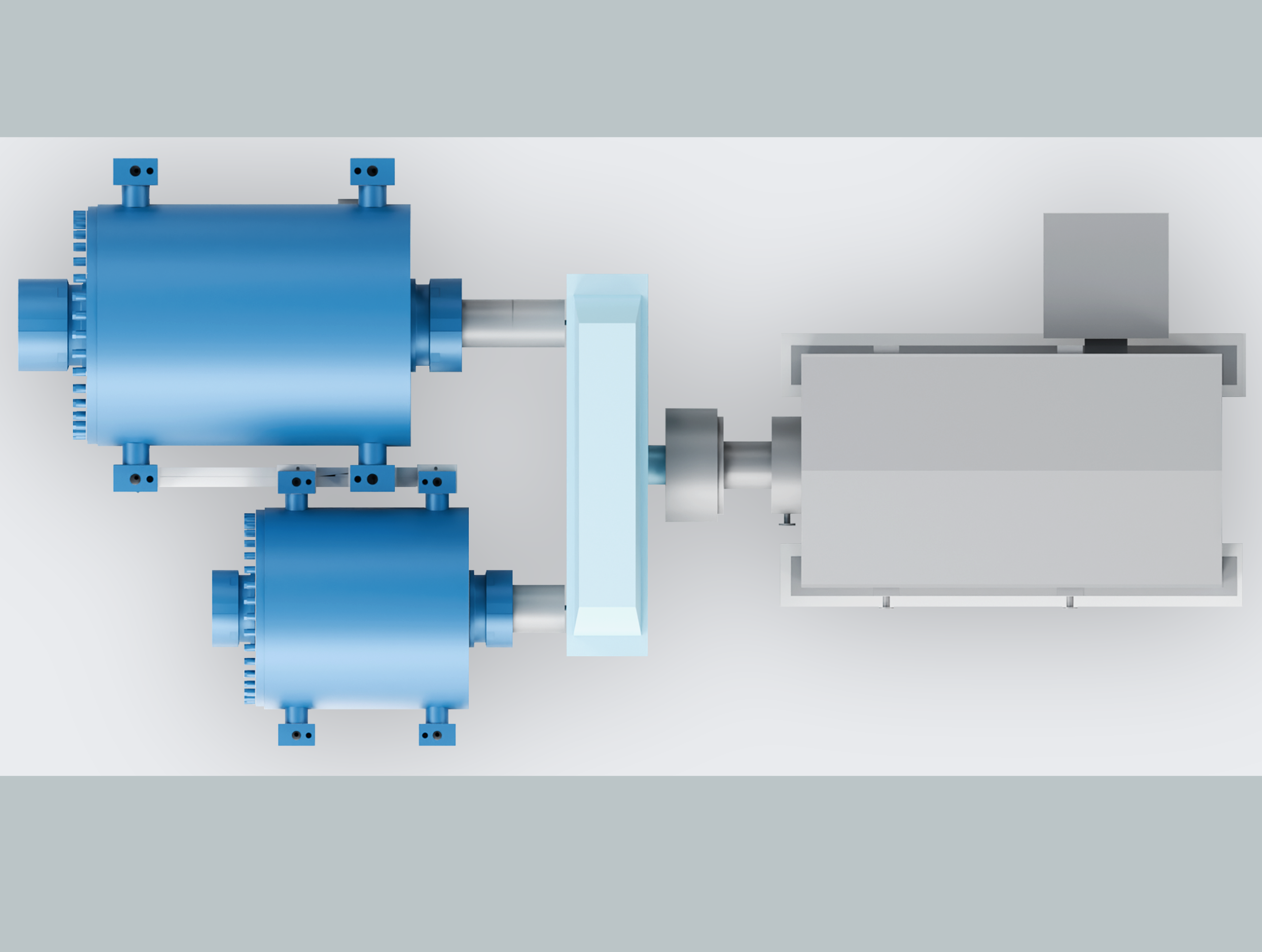
For the gas compression industry, these developments signal both opportunity and caution. As hydrogen infrastructure expands, compression technologies will play a critical role in enabling transport, storage, and integration into industrial systems. But the pace of deployment will depend heavily on policy support, cost reductions, and continued innovation. As the IEA concludes, “there are still notable signs of growth,” and with the right support, low-emissions hydrogen could become a cornerstone of the global energy transition.