Cleaner Sailing
Everllence Converts Two-Stroke Engine To A Dual-Fuel Methanol Engine
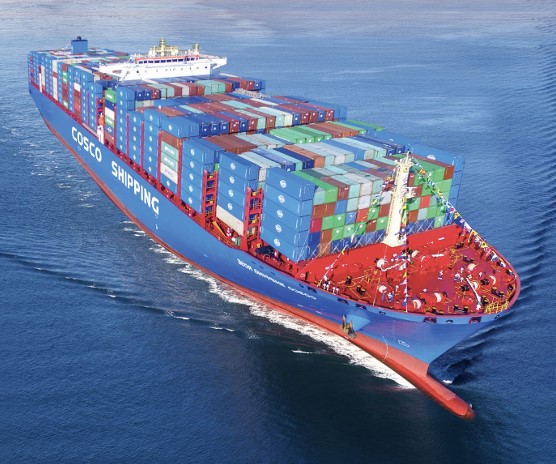
(Image Courtesy Of Cosco Shipping)
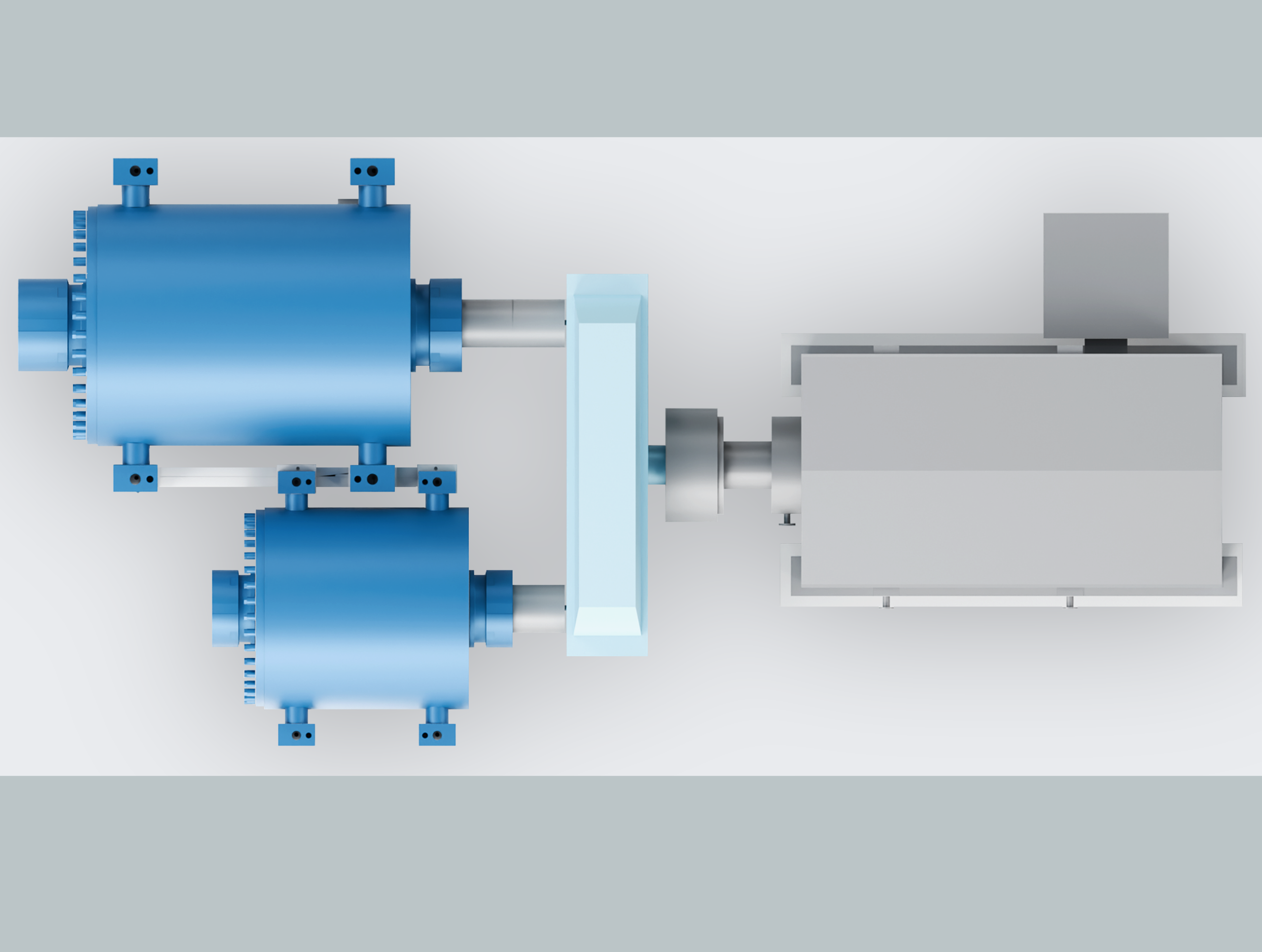
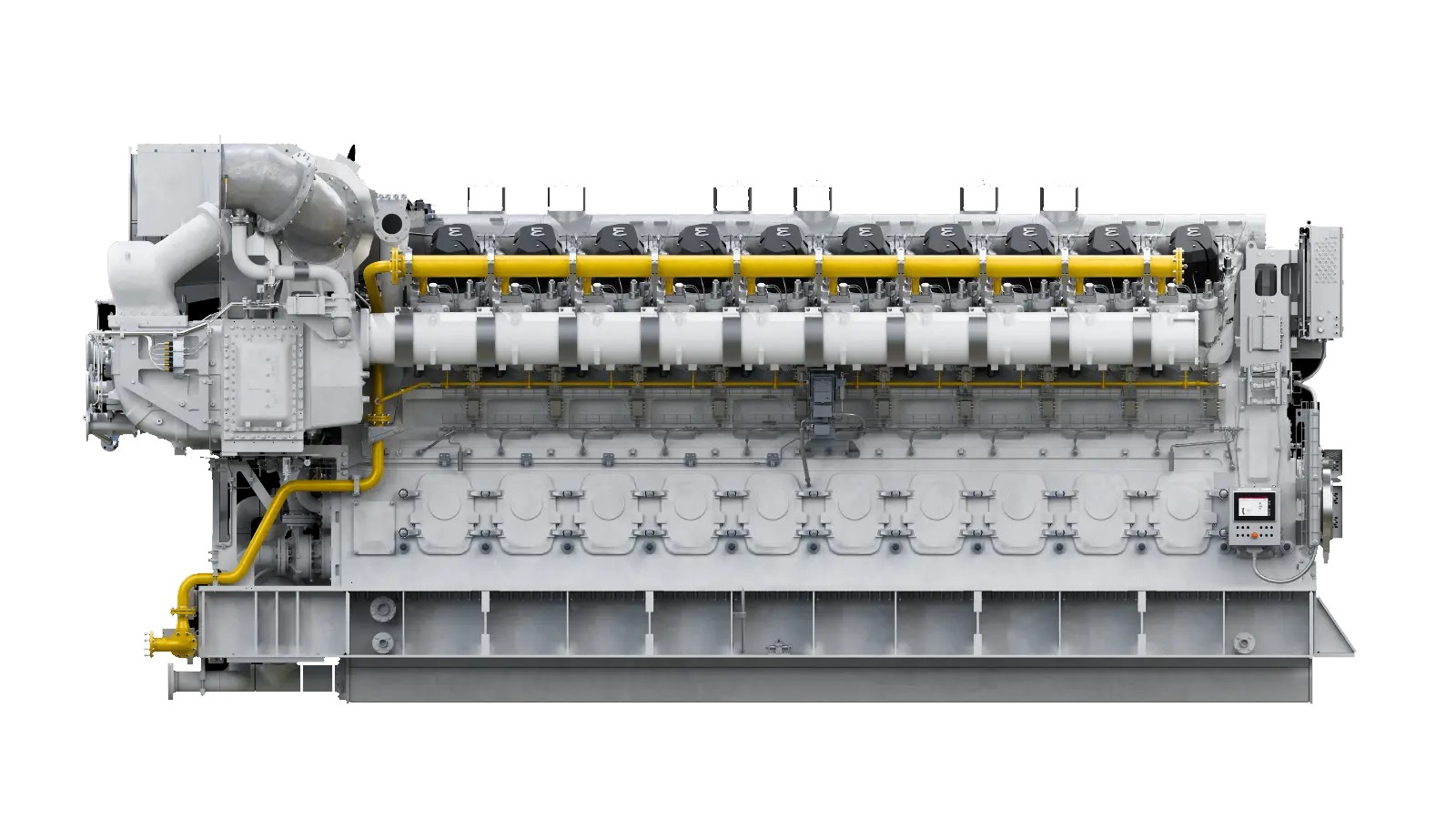
Everllence has announced the first conversion of an Everllence B&W S90 two-stroke engine to dual-fuel methanol running, following the successful sea-trials of Cosco Shipping Lines’ 20,000+ TEU container vessel, Cosco Shipping Libra. The vessel’s 11S90ME-C engine was retrofitted to an 11S90ME-LGIM (-Liquid Gas Injection Methanol) unit.
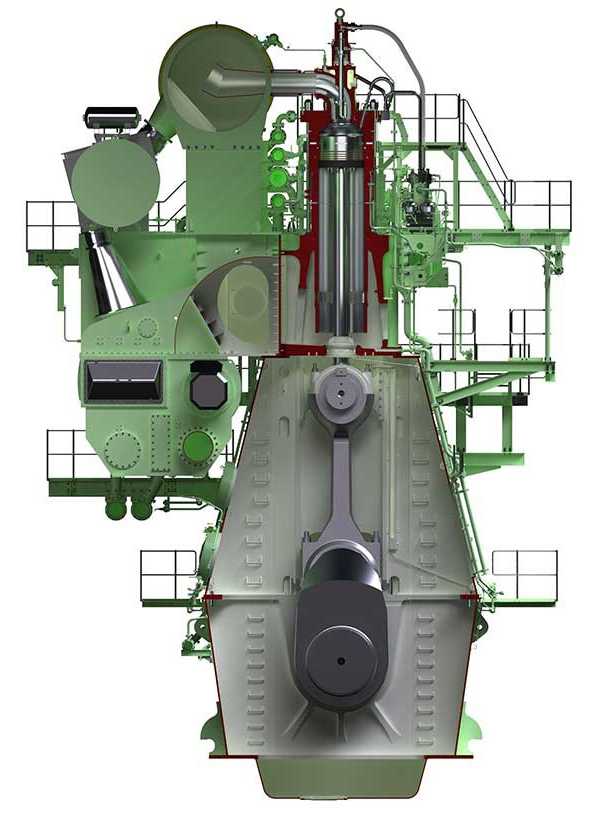
(Image Courtesy Of Everllence)
Everllence PrimeServ – Everllence’s after-sales division – partnered with Cosco Shipping Heavy Industry from concept to execution in delivering the world’s first S90 methanol engine retrofit, a full-scope project covering engineering, project management, installation, commissioning and sea-trials. As part of the process, Everllence invested in a dedicated 4S90 testbed engine in Japan that was commissioned in early 2025. The testbed validated the S90 engine’s methanol performance under real operating conditions, accelerating its readiness for this ‘first-ever’ large-bore milestone.
“We’re proud to support Cosco Shipping Lines and Cosco Shipping Heavy Industry HEAVY — and the maritime industry as a whole — in taking this significant step toward decarbonizing shipping,” said Michael Petersen, senior vice president and head of Everllence PrimeServ, Denmark. “This milestone highlights Cosco Shipping Lines’ role as a first mover and presents a practical path for reducing emissions from Everllence S90 engine vessels. It also showcases Everllence’s capability to deliver large-scale retrofit projects.”
Looking beyond the Cosco Shipping Libra retrofit that proves the viability of methanol as a marine fuel, Everllence believes that the potential for further large-bore retrofits is substantial with over 300 vessels worldwide currently equipped with S90-class engines and therefore potential candidates for similar retrofits.
“While the journey toward full decarbonization will require collaboration across the industry, this achievement demonstrates that large-scale conversions are both technically proven and commercially viable,” said Petersen. “This opens a practical pathway towards accelerating the maritime energy transition together with our customers.”