Net Zero 2050 Slips Further Out Of Reach
Wood Mackenzie’s Energy Transition Outlook 2025-2026 Points To Surging Power Demand As The Boom In Artificial Intelligence, Geopolitical Tensions Strain Energy Systems

Surging power demand from artificial intelligence (AI) and mounting geopolitical tensions have made 2050 net zero goals unattainable, with the world now on track for 4.7°F (2.6°C) of global warming, according to Wood Mackenzie’s ‘Energy Transition Outlook 2025-2026‘ report.
The analysis shows that achieving a 3.6°F (2°C) warming limit would require US$4.3 trillion in annual investment between 2025 and 2060 to reach net zero emissions by around 2060. Energy sector investment must grow from 2.5% of global gross domestic product (GDP) today to 3.35% within the next decade.
The new report titled Energy Evolution In The Age Of Superintelligence analyses four different pathways for the energy and natural resources sector. The first is Wood Mackenzie’s base case for a 2.6°C increase in global temperatures. The second is the country pledges scenario (2°C), the third is the net zero 2050 scenario (1.5°C), and the fourth is the delayed transition scenario (3.1°C).
Key Findings
Key findings in the 34-page report are as follows:
- Few countries in total, and no major G7 countries, are on track to meet 2030 emissions goals.
- A significant investment increase could still limit the average temperature increase to within 2°C warming by reaching global net zero emissions by around 2060.
- Energy sector capital expenditures (capex) must grow from 2.5% to 3.35% of global GDP to reach net zero.
- Base case emissions trajectory has moved up slightly, with peak emissions in 2028 and the rate of decline slowing to 2% per year since the last update, representing 2.6°C warming.
- Variable renewables will surge from 20% of generation today to 60% by 2050, with solar alone doubling by 2030 and overtaking gas in 2033 and coal in 2034. Battery storage and nuclear provide flexibility to renewable-heavy grids.
- Oil demand peak has shifted from 2030 to 2032, reflecting sluggish electric vehicle (EV) sales in the US and Europe, and continued momentum in petrochemicals. AI surge supports gas across all scenarios, pushing demand up by 6.36 trillion ft.3 (180 billion m3) by 2050 than Wood Mackenzie’s previous outlook.
“The energy system is becoming more complex, interconnected, and, volatile,” said Prakash Sharma, vice president, head of scenarios and technologies for Wood Mackenzie. “As power demand surges due to the expansion of technologies such as AI and electrification, what was once a mostly aspirational shift towards decarbonization is now facing the hard trade-offs of scale, system integration, capital allocation, and geopolitics. “The share of solar and wind in global power supply has grown from 5% to 20% over the past decade and the surge is expected to continue. But accelerating from deployment to a deeply decarbonized, resilient energy system is proving far more complex than simply adding megawatts.”
Climate Leadership Shifts To China
No major economy remains on track to meet its 2030 targets, with Wood Mackenzie’s Country Pledges scenario projecting net zero emissions only after 2060, well behind 2050 timeline scientists deem necessary.
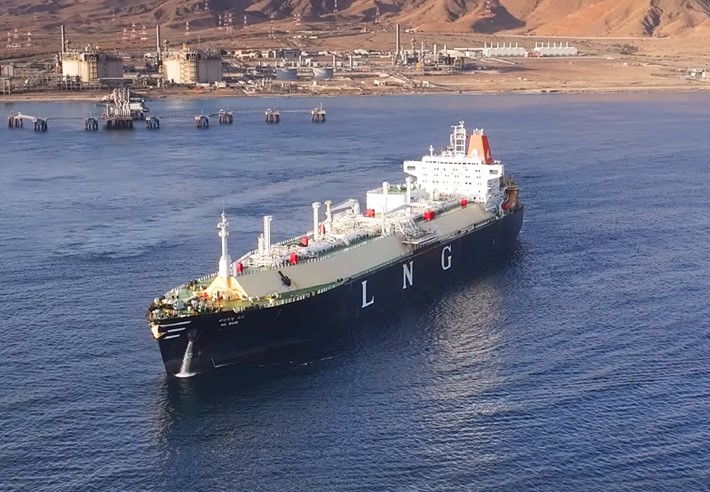
“A new climate leadership is emerging,” said Sharma. “As the US doubles down on fossil fuels, pushing allies to buy its LNG [liquefied natural gas], China is seizing the low-carbon mantle through EV and solar dominance, plus aggressive renewables deployment. Europe maintains the strongest net zero ambitions, viewing clean technologies as essential for economic and energy security.
“While a faster transition appears more expensive in the near-term due to compressed investment timelines, delaying it carries the risk of significantly higher costs longer term towards climate adaptation. The decade ahead presents critical climate checkpoints that will determine whether meaningful decarbonization remains achievable with significant investment increases.”
The United States faces the steepest investment challenge among major economies. According to Wood Mackenzie’s Lens Energy Transition Scenarios (ETS), the US must increase annual climate transition spending 76% to reach net zero, a significant jump that far exceeds the investment increases needed in China and Europe.
China, Europe, and the US account for 70% of global capital capex by 2040 in the base case. In the base case, China spends US$913 billion versus US$1.177 trillion needed for net-zero, a 29% shortfall. Also in the base case, Europe spends US$455 billion annual versus a needed increase of US$619 billion and the US has a 76% shortfall, spending US$388 billion versus US$682 billion needed. Other regions face significant gaps, with other Asia-Pacific nations and the rest of the world needing to more than double energy transition spending.
Critical Minerals: The New Strategic Battleground
Clean technologies rely heavily on lithium, nickel, cobalt, copper, and rare earth elements. Supply chains are highly concentrated, with China dominating lithium and rare earth refining, creating new geopolitical dependencies. A typical battery electric vehicle requires six times more critical minerals than an internal combustion engine vehicle, or 992 pounds (450 kg) versus 172 pounds (78 kg).
“This concentration gives resource holders new leverage, while importing countries, in turn, are racing to secure offtake deals, diversify supply and build stockpiles,” said Sharma. “Critical minerals have become the new strategic battleground: their availability and affordability will shape not just technology costs but also the balance of power in a new energy landscape. Resource nationalism is shifting from fossil fuels to critical minerals.”
AI Revolution Strains Power Systems
The AI boom is creating unprecedented electricity demand, with data centers consuming 700 TWh in 2025 (exceeding EVs) and potentially doubling by 2030. This surge threatens electricity crises and higher tariffs while derailing 2030 clean power commitments. However, AI itself may accelerate breakthrough technologies and optimize energy systems, as advanced simulations, optimize materials performance, and enable efficient design configurations at unprecedented speed.
Electricity Becomes the Dominant Energy Carrier
Electricity demand will expand from one-fifth of final energy consumption today to over half by 2050 under net zero scenario. Variable renewables will surge from 20% of generation today to 60% by 2050, with solar alone doubling by 2030 and overtaking coal by 2034. However, variable renewables reach their practical ceiling at 68% in Wood Mackenzie’s scenario due to grid stability and storage limitations. At the same time, dispatchable fossil fuels remain essential. Coal continues powering developing economies while gas turbines provide critical backup where renewable infrastructure struggles with massive new load.
The Future Of Oil And Gas
Oil demand peak has shifted from 2030 to 2032 in Wood Mackenzie’s base case, reflecting continued momentum in road transport and petrochemicals. Natural gas maintains its position as a bridge fuel, especially where coal must be displaced.
The persistence reflects structural inertia and energy security concerns, but the ingredients for faster change are strengthening as renewables and EVs continue breaking cost records.
Carbon Capture And Hydrogen Fill Critical Gaps
Advanced technologies are emerging as critical enablers for hard-to-abate sectors like heavy industry, long-haul transport, and legacy fossil infrastructure.
While facing barriers of scale, cost, and capital, these technologies are essential for comprehensive decarbonization where electrification falls short.
In net zero pathways, these technologies can deliver 20% to 30% of total emissions reductions: the difference between incremental progress and comprehensive decarbonization.
Connecting Energy Ecosystems
The report concludes that the energy transition is evolving as it enters a more mature and stress-tested phase, facing hard trade-offs of scale, system integration capital allocation and geopolitics.
“Viewing the energy system as interconnected is more critical than ever because electrification, flexibility and decarbonization link markets that once stood apart,” said Sharma. “Oil, gas, coal and power can no longer operate in silos: EV adoption shifts electricity demand, gas shortages ripple into power and heating, and investment in shared infrastructure like transmission lines, pipelines and storage affects multiple sectors at once.
“Geopolitical shocks or resource constraints in one fuel cascade across others, while technologies such as hydrogen, CCUS and biofuels rely on cheap renewables and common infrastructure. Treating energy carriers as separate markets risks missing the synergies and vulnerabilities that define the transition.”
The report comes as countries prepare nationally determined contributions ahead of the 2025 United Nations Climate Change Conference (COP30), with nearly half of global emissions now covered by 2035 climate pledges.