Modernizing Energy Infrastructure
Duke Energy Embraces Energy Transition By Investing In Nuclear Energy, Natural Gas, Solar Energy, And Battery Storage

Duke Energy (Duke) filed its biennial long-range energy modernization plan for its dual-state system with the North Carolina Utilities Commission. The 2025 Carolinas Resource Plan is Duke’s road map to serve customer growth needs while protecting reliability and keeping costs as low as possible. Customer bill impacts for the proposed plan are projected to average 2.1% annually over the coming decade, which is lower than the rate of inflation and significantly less than projected costs for the previously approved plan.
“North Carolina is the top state for business, and our focus is on ensuring Duke Energy’s low energy rates continue to support this region’s economic success,” said Kendal Bowman, Duke Energy’s North Carolina president. “By expanding our diverse generation portfolio and maximizing our existing power plants to meet growth needs, we will ensure reliable energy while saving all our customers money.”
The plan reflects rising electricity demand across the Carolinas at an unprecedented pace, driven by the economic success of North Carolina and South Carolina. So far in 2025, companies have announced new projects delivering more than 25,000 jobs and US$19 billion in investments in North Carolina, most of which are for new manufacturing facilities.
Across the Carolinas, customer energy needs over the next 15 years are expected to grow at eight times the growth rate of the prior 15 years. To put this in perspective, that projected increase in energy use is more than double the growth forecasted when the 2023 Carolinas Resource Plan was initially filed, according to Duke.
The 2025 Carolinas Resource Plan also adapts to significant policy changes at state and federal levels. Recent energy legislation in both states emphasizes reliability, while changes in federal regulations and tax credits support advanced nuclear and battery storage and provide flexibility for existing coal and new natural gas generation.
To minimize the plan’s future costs for customers while maintaining reliability and powering growth, the company’s recommended energy mix has evolved accordingly. Compared to the prior plan, changes in proposed resource actions include:
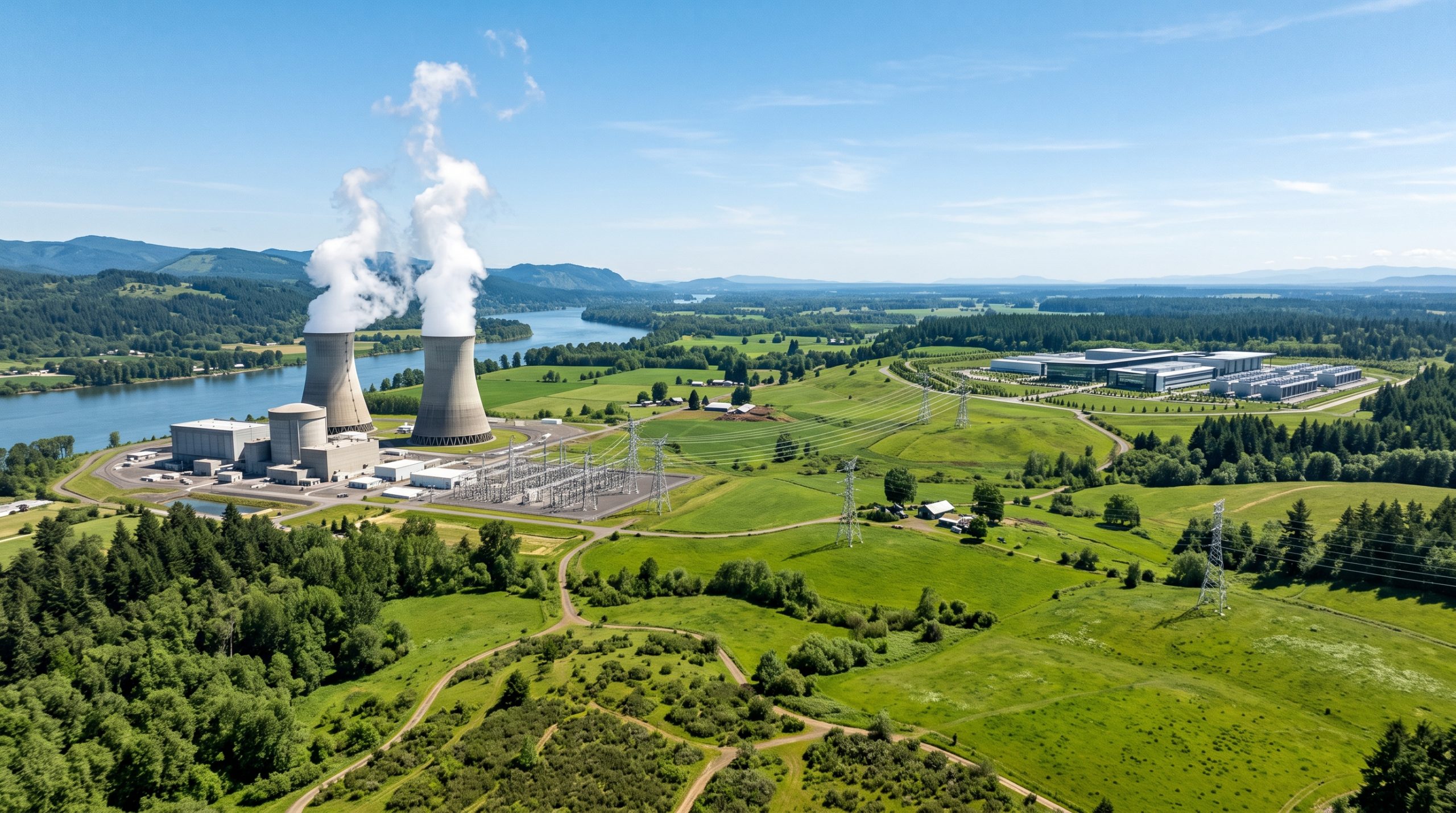
- Nuclear: added large light-water reactor (LLWR) technology for evaluation in addition to small modular reactors (SMRs), targeting potential 2037 in service for new nuclear generation at either Belews Creek, North Carolina (SMR) or the WS. Lee site in Cherokee County, South Carolina (LLWR), expanding license activities to include both LLWR and SMR sites to preserve optionality.
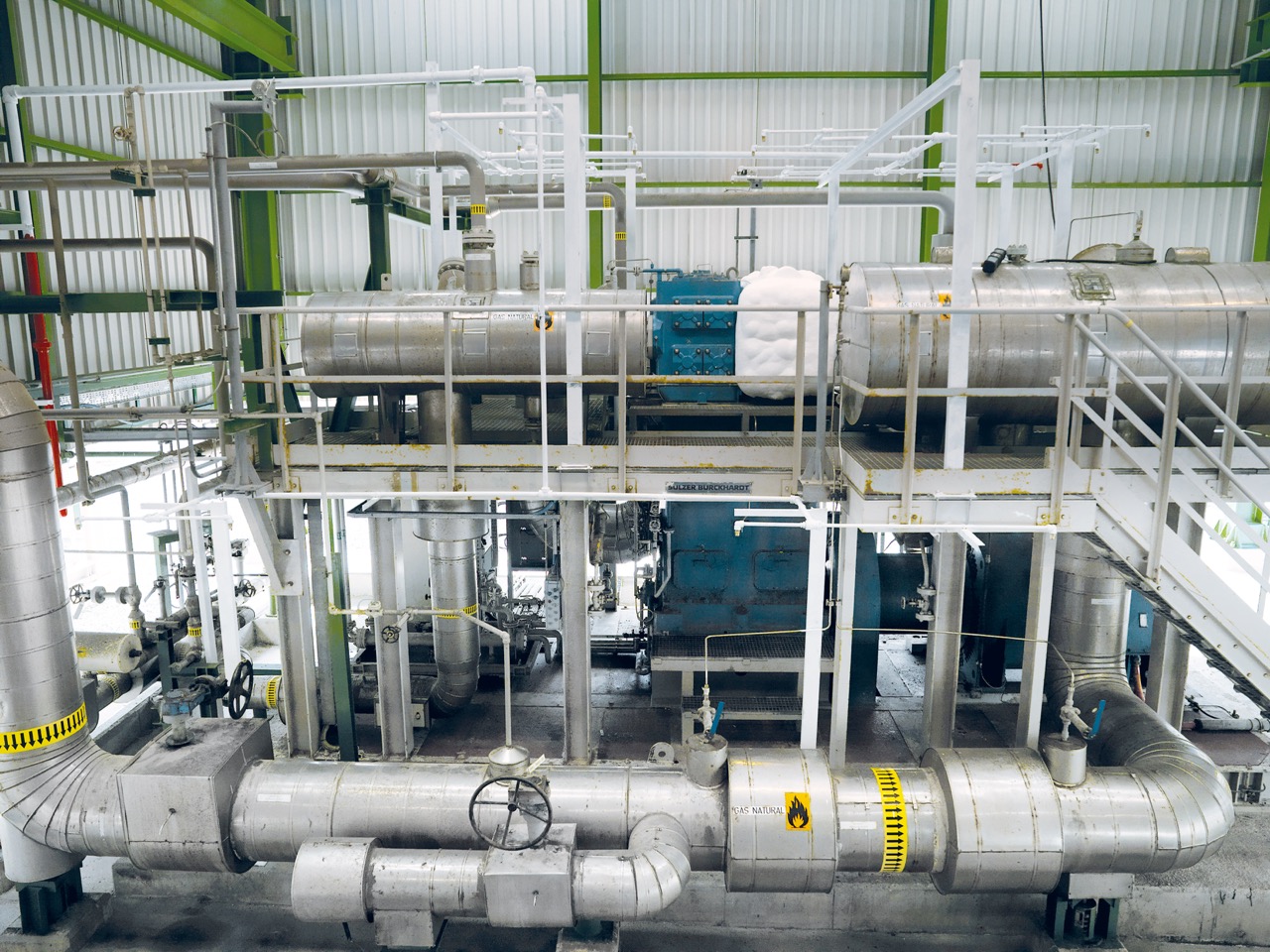
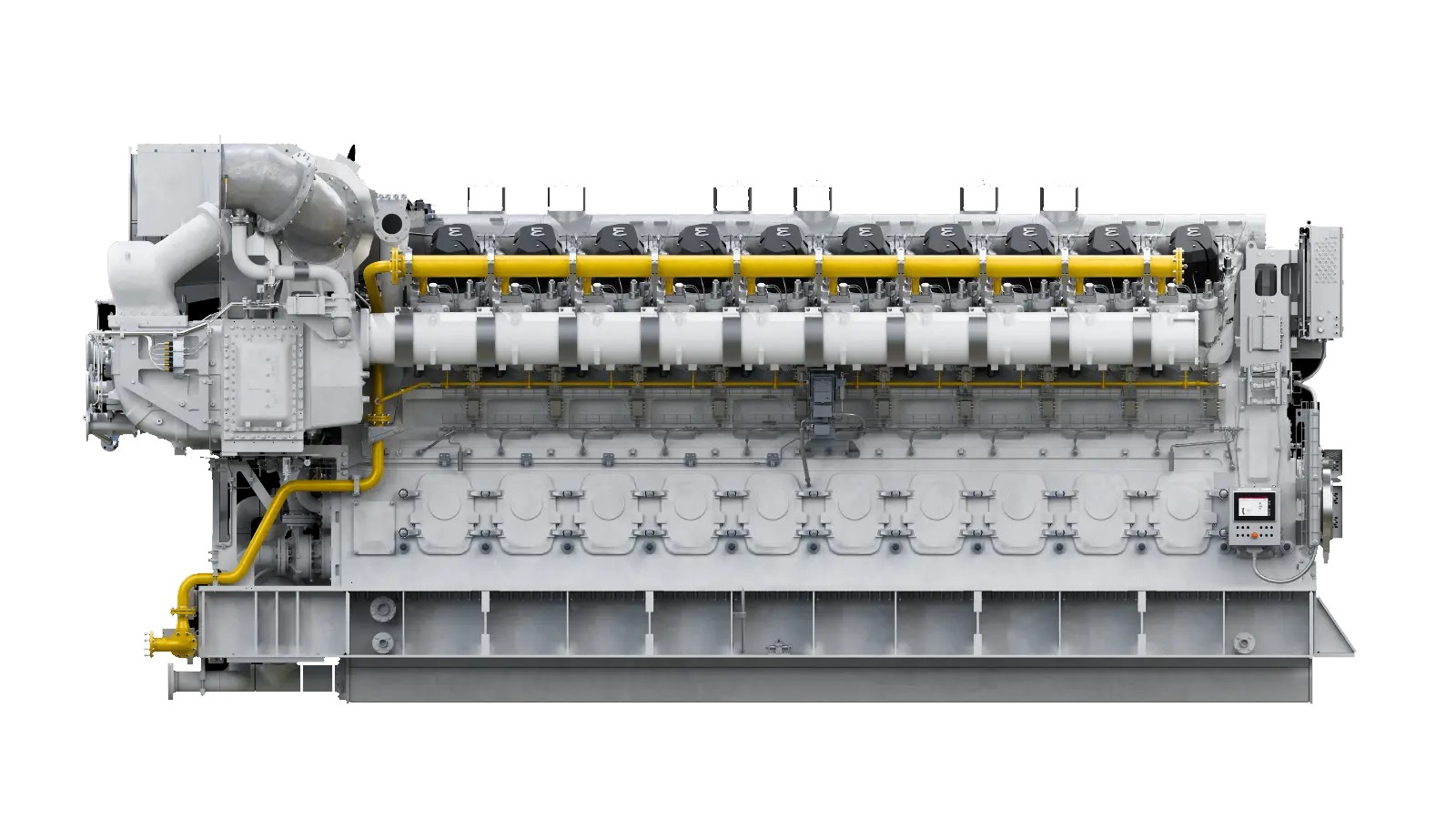
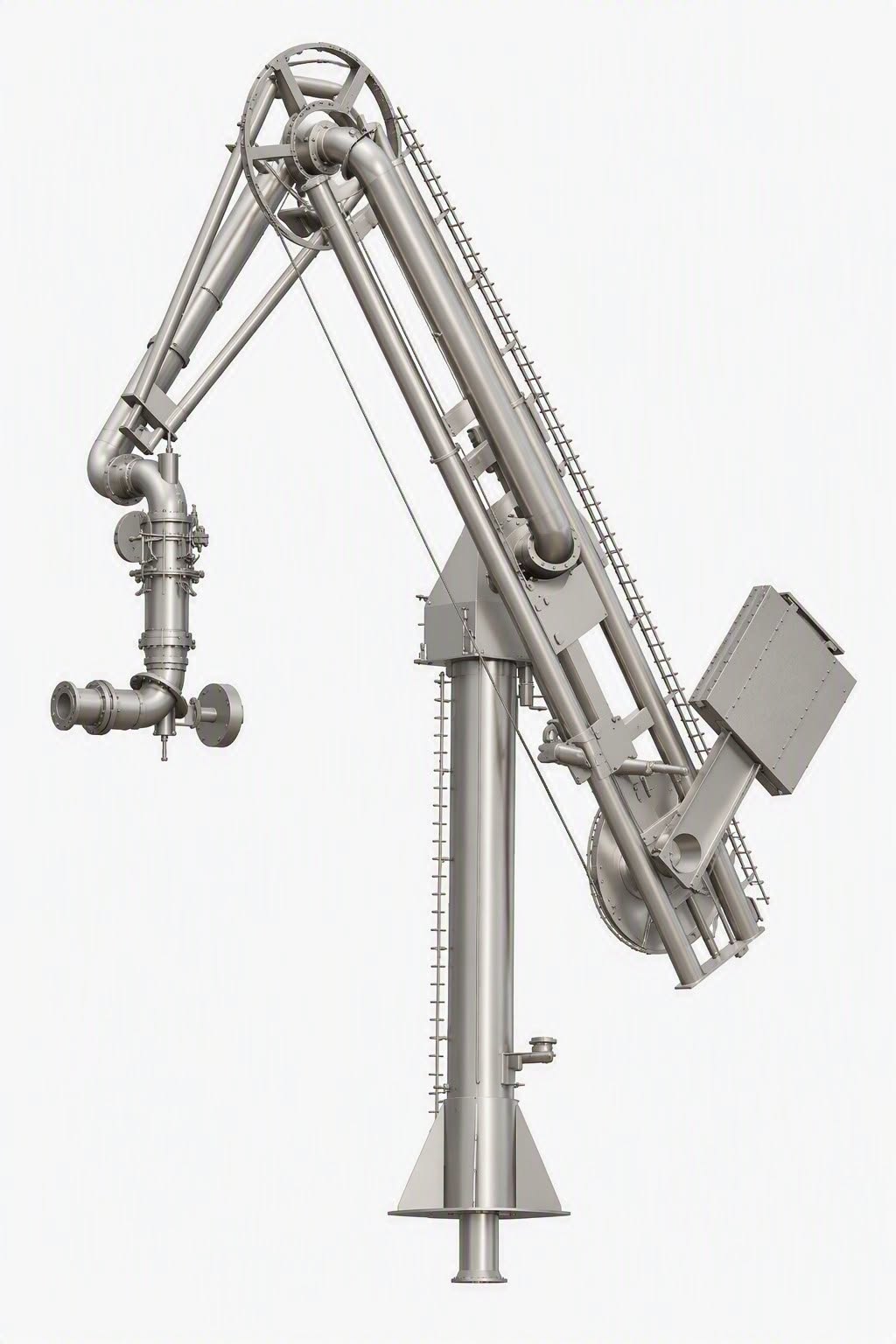
- Natural gas: maintained the five combined-cycle (CC) units called for in 2023 modeling for baseload generation and increased the number of combustion turbines (CT) for peak needs by two to a total of seven, helping meet continued load growth; added enhanced liquified natural gas storage to reduce fuel cost volatility and boost reliability.
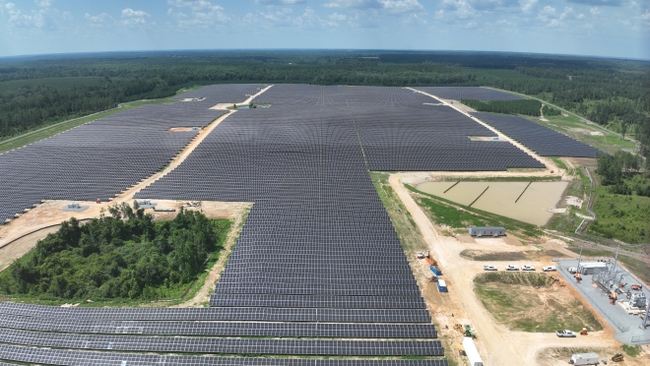
- Solar: targeted 4 GW by 2034, maintaining the 2025 procurement target to maximize customer benefits of the remaining federal energy tax credits for solar.
- Battery storage: expanded to 5.6 GW targeted by 2034, an increase of 2.9 GW over the 2023 plan’s projection through 203, to meet near-term growth and leverage tax credits that provide savings for Duke’s customers.
- Wind: Duke said wind is not an economically viable resource for customers through 2040. However, the company will reassess wind at next plan update.
- Pumped storage hydro: limited near-term development of a second power block at Bad Creek to preserve optionality and take advantage of tax credits; deferred in-service target from 2034 to 2040 to reduce grid upgrade costs and accelerate in-service dates for crucial near-term projects including solar already in development, natural gas, hydro and batteries.
- Coal: following federal actions that eased restrictions on coal generation, targeted potential two- to four-year extensions of units that have dual-fuel capability (Belews Creek, Cliffside, Marshall). Maintaining an orderly exit from coal as approved by state regulators, while extending the operational life of these fuel-flexible assets for a short time, will help meet load growth.
“We’ve also made further progress in maximizing the value of existing resources, making them more efficient and able to deliver more electricity to meet near-term growth needs while minimizing costs to customers,” said Bowman.
Duke has is adding nearly 300 MW of clean capacity to the grid, which is the equivalent of a new SMR, through power uprate projects at four nuclear stations. Duke has already upgraded the capacity of Bad Creek pumped storage by another 280 MW and is recommending upgrades to seven other emissions-free hydro plants. Duke is also upgrading its natural gas fleet in a manner that reduces fuel costs and emissions.
As is the case with this two-year update, all resource amounts and target dates will be updated in future filings, allowing Duke Energy to continue adapting to technological advances, federal and state incentives and policy changes, and other factors beneficial to customers.
The plan builds upon the 2023 Carolinas Resource Plan approved by North Carolina and South Carolina regulators in 2024. Since that time, Duke Energy filed plans with regulators to combine its two electric utilities operating in each state, Duke Energy Carolinas (DEC) and Duke Energy Progress (DEP). If approved, the combination is projected to save customers more than US$1 billion in future costs, largely by needing to build fewer resources to meet growth needs than would be required if DEC and DEP continue as separate utilities.
The North Carolina Utilities Commission will hold hearings on the resource plan in 2026 and issue an order by Dec. 31, 2026. Later this year, Duke Energy will also file a resource plan update with the Public Service Commission of South Carolina, incorporating information from the 2025 Carolinas Resource Plan.