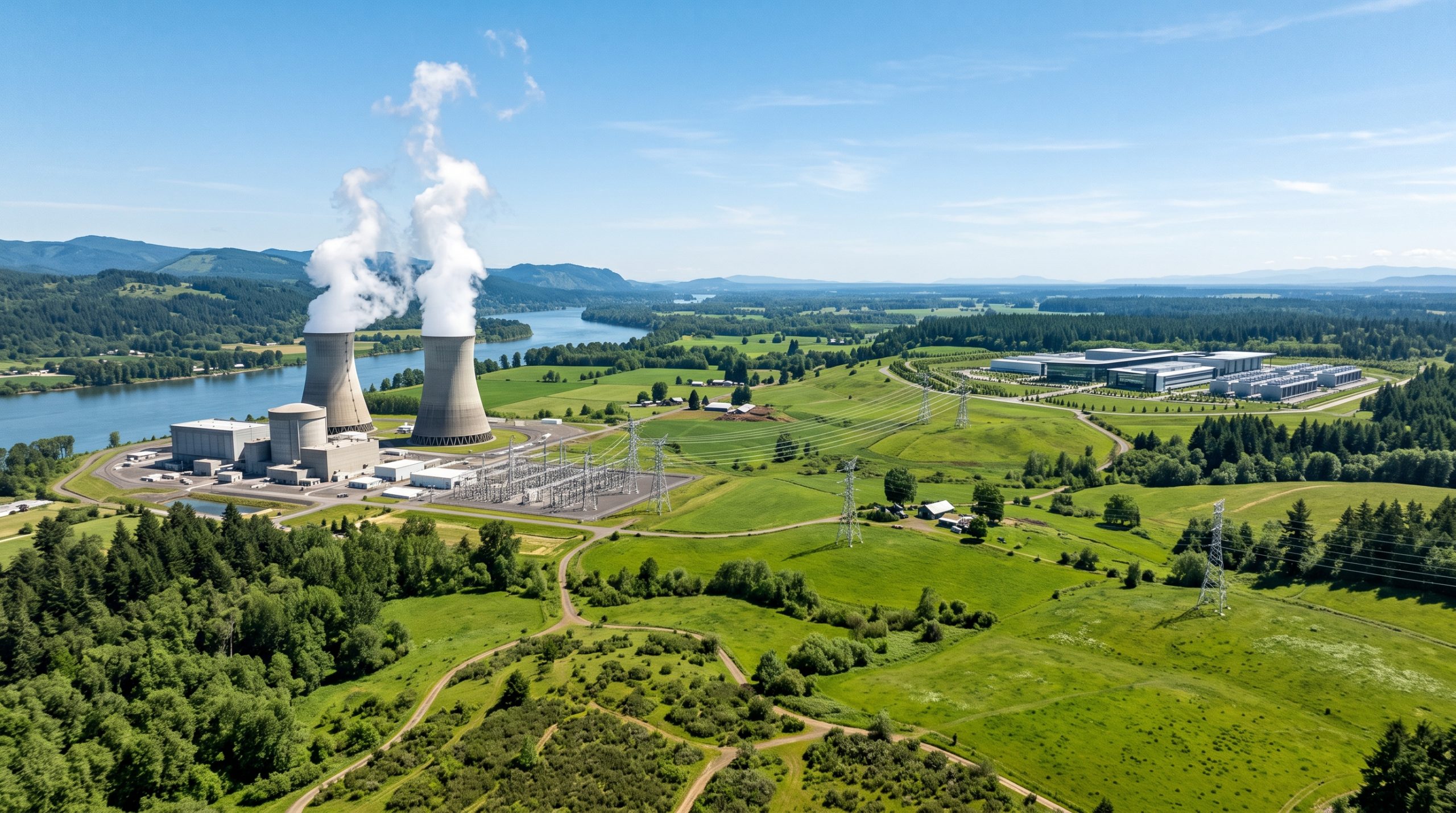
Accelera Electrolyzer For Linde Green Hydrogen Project
35-MW Pem Electrolyzer System Is Company’s Largest To Date
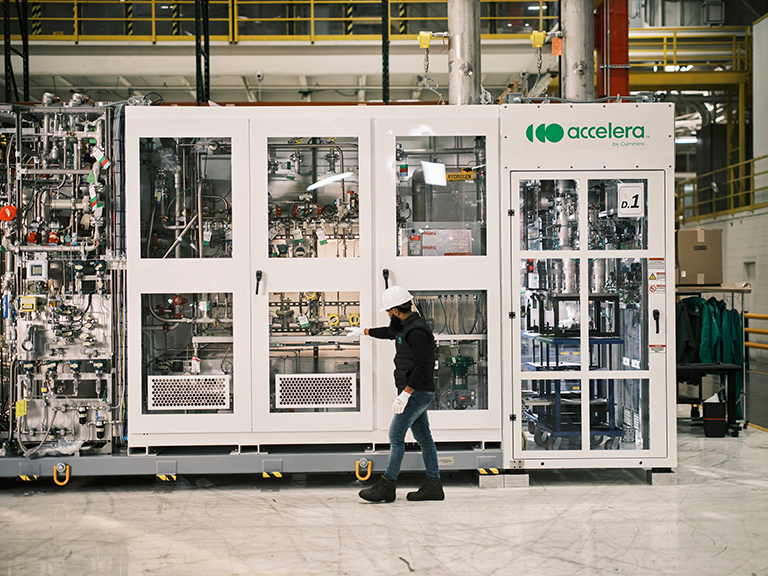
(Image Courtesy Of Accelera)
Accelera, the zero-emissions business segment of Cummins Inc., has supplied a 35-MW proton exchange membrane (PEM) electrolyzer system, its largest to date, to support hydrogen production at Linde’s facility in Niagara Falls, New York.
Accelera announced the deal with Linde back in December 2022, at a time when the green hydrogen economy was much less developed. The delivery of the PEM system marks a major milestone for carbon-free hydrogen production using hydropower.
Powered by renewable hydroelectric energy, the system will generate green hydrogen to help decarbonize industrial operations and accelerate the clean energy transition in the United States.
“The successful delivery of this 35-MW electrolyzer system is a significant milestone for Accelera and for the advancement of clean hydrogen technology in North America,” said Des McMenamin, general manager of electrolyzers for Accelera. “This project demonstrates our ability to deliver large-scale, reliable solutions that enable our customers to produce green hydrogen on a commercial scale.”
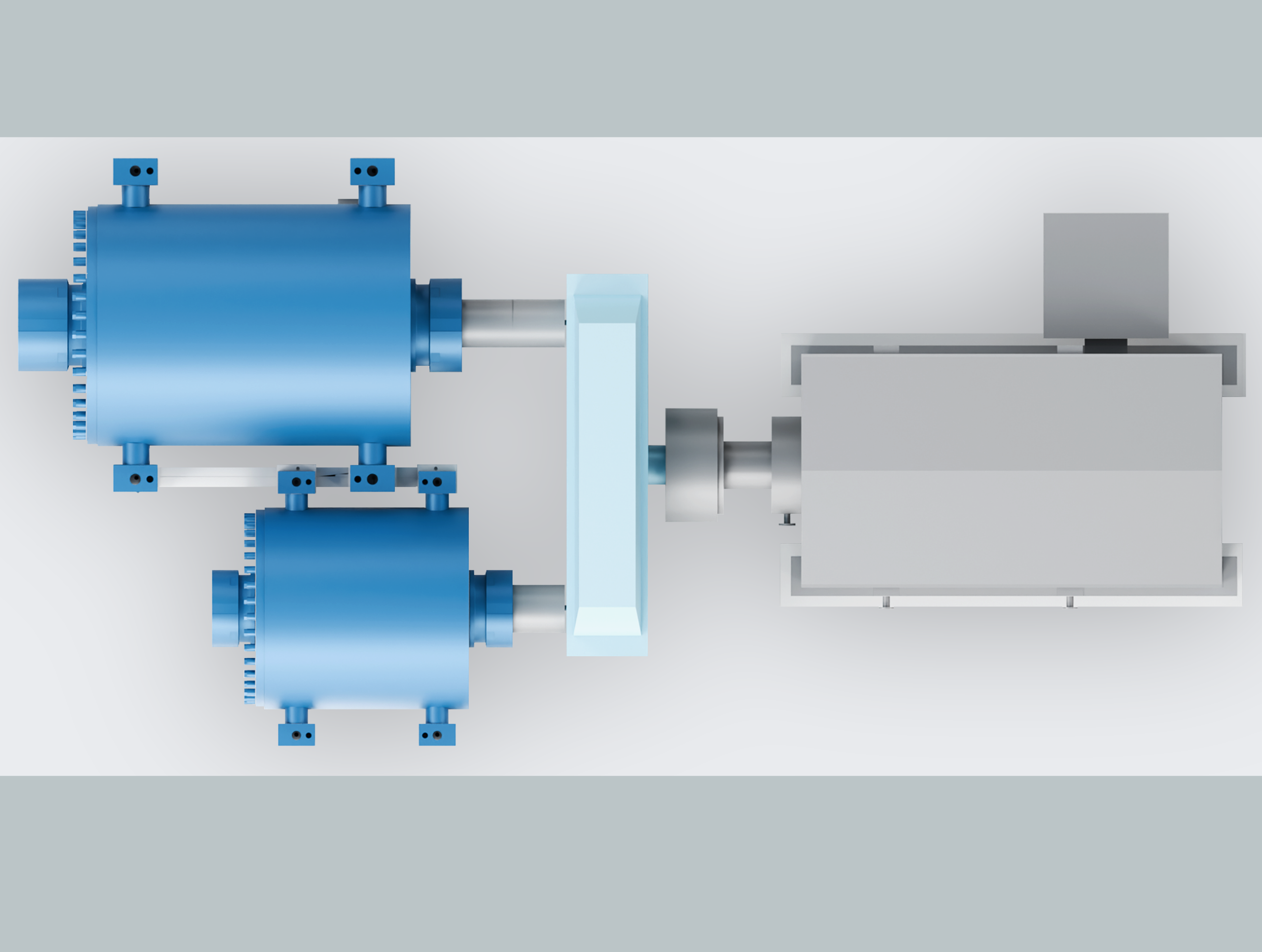
According to Accelera, the modular PEM electrolyzer system is designed for scalable, high-volume hydrogen output. At 35 MW, this is currently Accelera’s largest electrolyzer deployment in the world.
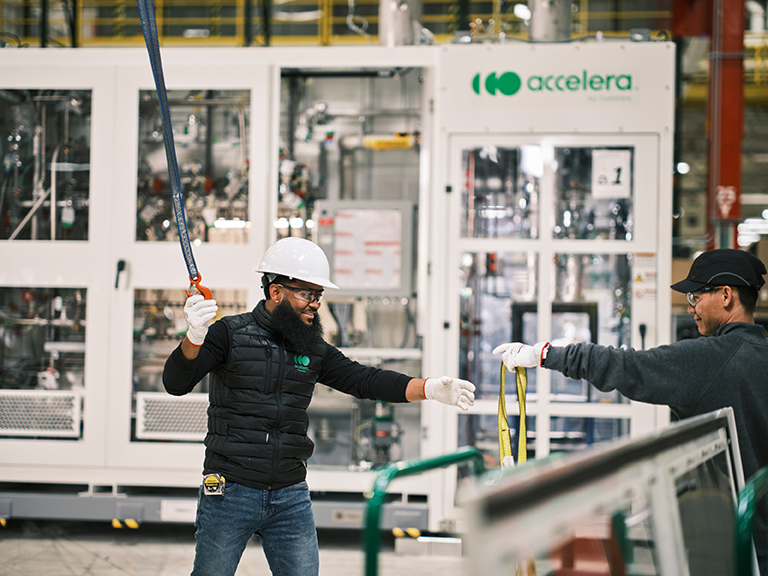
(Image Courtesy Of Accelera)
Accelera has a long history of advanced technology and engineering capabilities, and innovates across a broad portfolio of renewable hydrogen and zero-emissions technologies, including PEM, alkaline, and solid oxide electrolyzers. Accelera’s electrolyzers can operate entirely on clean hydroelectric power, enabling zero-emissions hydrogen production.
The electrolyzer system was manufactured at Accelera’s facility in Fridley, Minnesota, supporting US-based manufacturing and contributing to the scale-up of clean energy technologies.
Electrolyzers that leverage renewable energy sources produce green hydrogen, which is vital for accelerating the clean energy transition. An electrolyzer splits water into oxygen and hydrogen. This green hydrogen can be stored as a compressed gas or a liquid and used as an energy-dense, clean power source to help decarbonize a variety of hard-to-abate sectors, such as heavy-duty transportation and industrial processes. Accelera’s electrolyzer systems produce low-pressure hydrogen, which must be compressed for nearly every downstream application. Accelera often partners with compression vendors or integrates compressors into hydrogen solutions, especially for refueling stations and industrial deployments.
Accelera is a leader in large-scale hydrogen production using PEM electrolysis, and it has deployed more than 600 electrolyzer units worldwide, powering some of the most advanced PEM electrolyzer systems operating globally. This includes a 20-MW facility in Quebec, Canada, and a 25-MW system in Florida.
Situated in Niagara Falls, the facility benefits from renewable energy and proximity to key industrial hubs. The project supports regional job creation and strengthens New York’s position as a leader in the clean energy economy. Linde has the largest liquid hydrogen capacity and distribution system in the world. The company operates the world’s first high-purity hydrogen storage cavern plus pipeline networks, totaling approximately 621 miles (1000 km) globally.