Earth Day 2026 Ignites A New Era Of Energy Independence
Energy Transition Insider Celebrates Earth Day
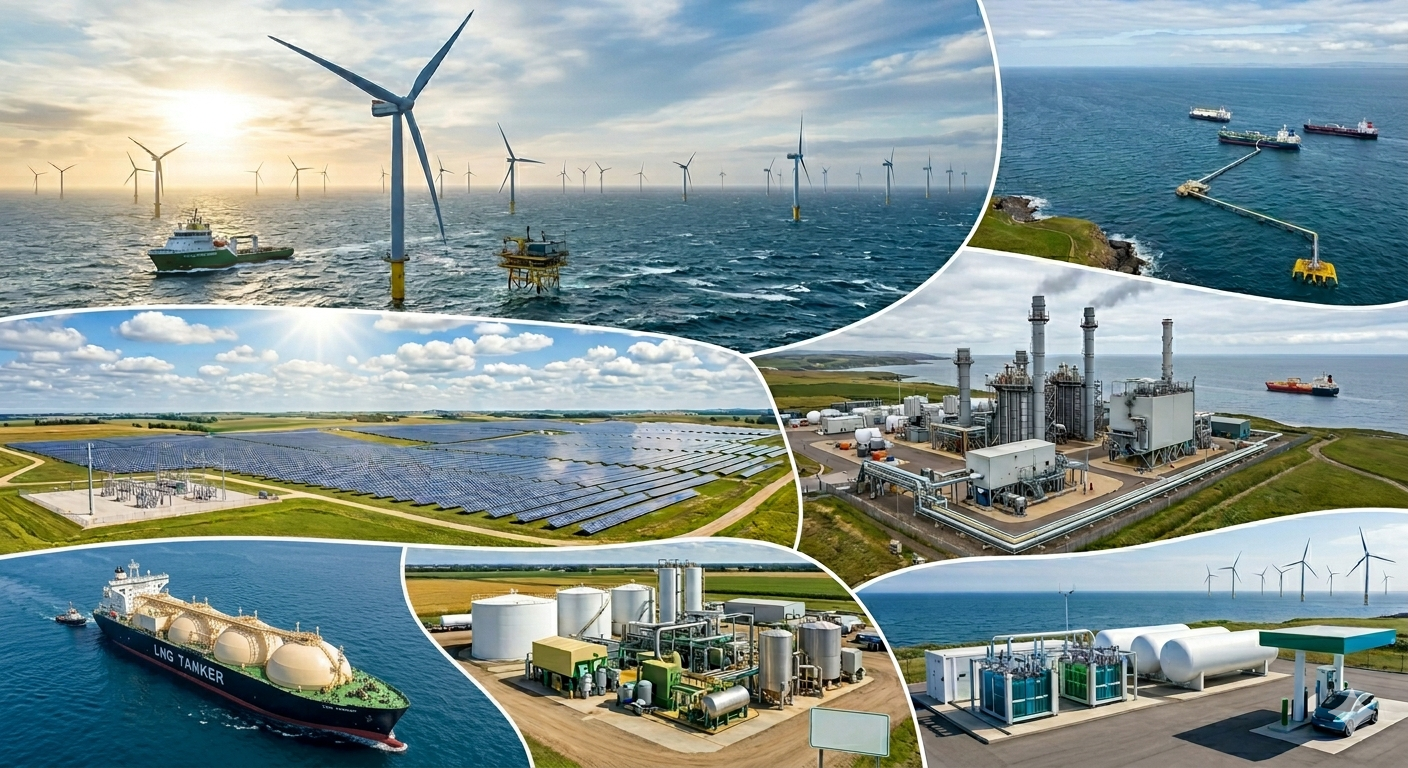
EarthDay.org has named “Our Power, Our Planet” as the global theme for Earth Day 2026 on April 22. This year’s focus shifts the conversation from abstract climate goals to the tangible acceleration of renewable energy and a swifter transition toward a green economy. The power aspect of the theme represents the wind farms of the North Sea, the solar arrays of the American Midwest, and natural gas replacing coal to provide cleaner electricity worldwide. In a more figurative sense, power refers to an organized, vocal public that includes climate change in regular conversation and takes action to address it.
While the spirit of Earth Day remains unchanged, the data behind our changing climate has become increasingly stark since the first Earth Day in 1970. Over 75% of total human-caused warming has occurred since 1970. According to data from the National Oceanic and Atmospheric Administration (NOAA) 2025 Annual Report, the Earth is now approximately 1.3°C (2.3°F) warmer than pre-industrial levels, with the last decade being the hottest on record.
Atmospheric carbon dioxide (CO2) concentrations have surged to levels not seen in millions of years. Started in 1958, the Keeling Curve is the longest continuous record of direct atmospheric CO2 measurements in the world. In 1970, the annual average CO2 concentration recorded at Hawaii’s Mauna Loa Observatory was approximately 325.68 ppm. As of April 2026, daily and weekly averages at Mauna Loa have frequently surpassed 430 ppm. Since CO2 levels fluctuate seasonally, the current annual average for 2026 is forecast to be approximately 429.4 ppm. Peak CO2 levels typically occur in May. Once the Northern Hemisphere’s massive forests fully leaf out in late May and June, they begin a period of rapid photosynthesis, scrubbing CO2 from the air to build new wood, roots, and leaves. This causes CO2 levels to drop steadily throughout the summer, reaching their lowest point in September or October
According to NOAA’s National Centers for Environmental Information (NCEI), the rapid increase in greenhouse gases has led to a dramatic increase in extreme weather, with the frequency of billion-dollar climate disasters rising from an average of three per year in the 1980s to over 20 per year by the mid-2020s.
“All those years ago, in 1970, we were ridiculously confident that we were going to win,” said Denis Hayes, organizer of the first Earth Day and board chair emeritus of EarthDay.org. “We launched a genuine environmental revolution. We proved that an engaged public can be an unstoppable force. It can be again in 2026.”
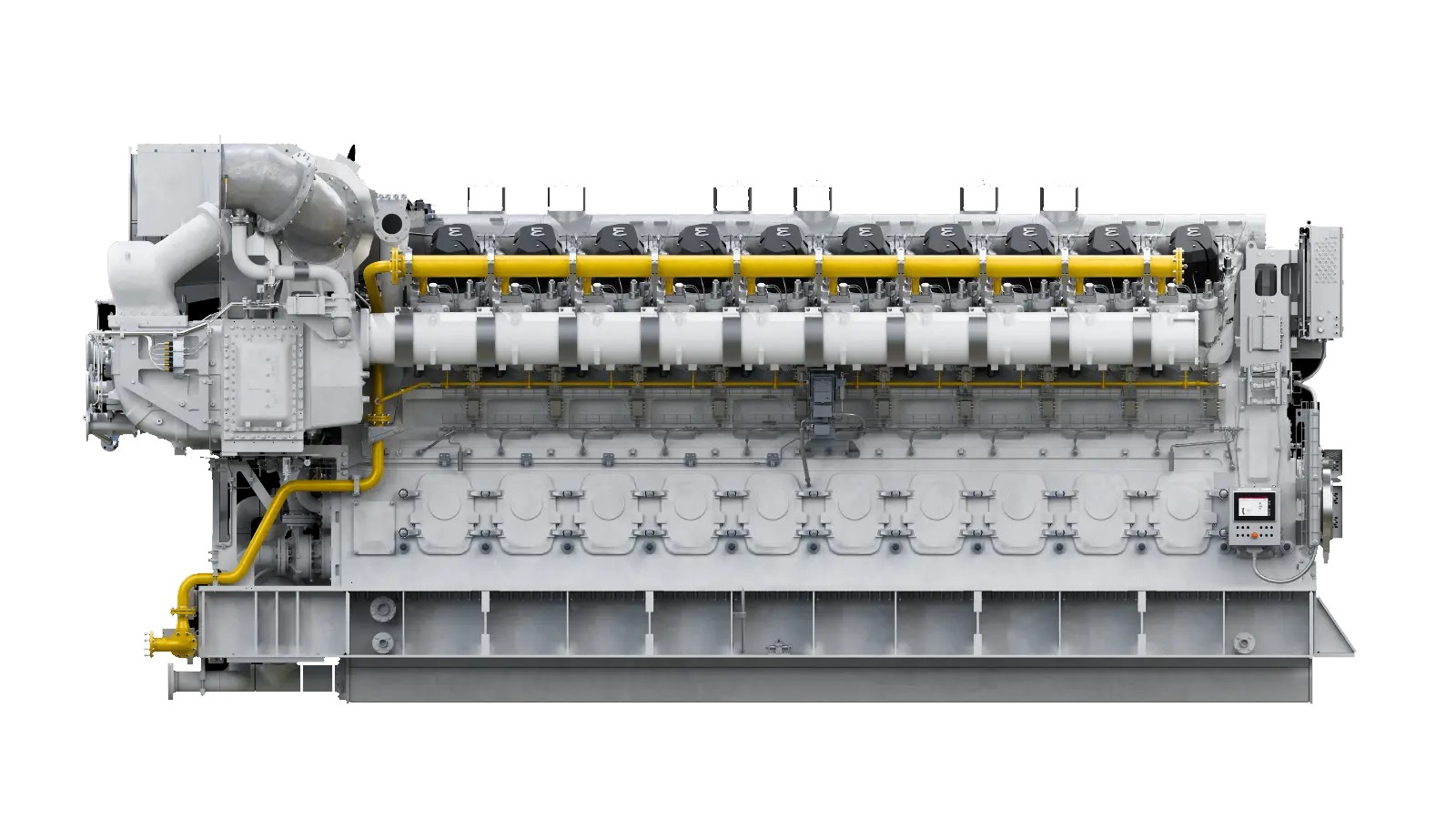
Earth Day 2026 arrives at a critical juncture for the Paris Agreement. To stay within the preferred 1.5°C warming limit, global emissions must be cut by roughly 50% by 2030 and reach net zero by 2050. Achieving these targets requires deploying technology at an unprecedented scale, from massive offshore wind turbines like those at East Anglia THREE, where a single revolution can power a home for days, to modular gas engines that provide resilient power for our digital infrastructure.
The world is running out of time to solve the problem of both producing more energy while lowering emissions without compromising economic growth. That’s where we come in — as your go-to resource for keeping your finger on the pulse of the energy sector.
Energy Transition Insider leverages our unparalleled expertise covering hydrogen, carbon capture and storage, oil and gas, low-carbon fuels, technology, policy, regulations, government programs, wind, solar, battery storage, geothermal, nuclear, electric vehicles, the circular economy, and more to give readers like you the information they need to navigate the rapidly changing landscape of the energy sector.
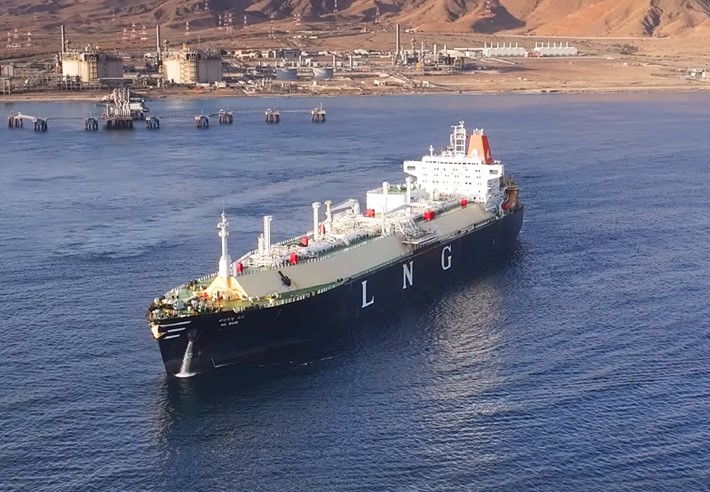
Our coverage offers a balanced approach to a low-carbon future that accounts for environmental and economic factors. We look at the entire energy value chain, from sustainability thought leaders within the oil and gas industry embracing electrification and compatibility with low-carbon fuels to liquefied natural gas projects with lower carbon dioxide intensity, better methane management, and integrated carbon capture facilities.
While it would be wonderful to wave a magic wand and transform the world into a net-zero utopia, the reality is that we need to reduce emissions without eliminating fossil fuels overnight. Cleaner oil and gas, lower-carbon fuels, and carbon capture and storage can play pivotal roles in a lower-carbon future. Renewables face constraints, such as long permitting timelines, storage limitations, transmission bottlenecks, and intermittency. At the same time, overdependence on industries that emit significant greenhouse gases poses a significant climate risk.
By keeping our coverage balanced, we will continue to attract an array of engaged readers working in the energy sector, as well as folks looking to learn more about the energy transition.
Energy Transition Insider honors Earth Day 2026 by providing a resource dedicated to the companies, technologies, projects, and breakthroughs redefining the global energy mix.