Freezing Out Risk In The Hydrogen Supply Chain
Ebara Elliott Energy’s New Futtsu Site In Japan Tests Cryogenic Pumps And Blowers With Real Liquid Hydrogen
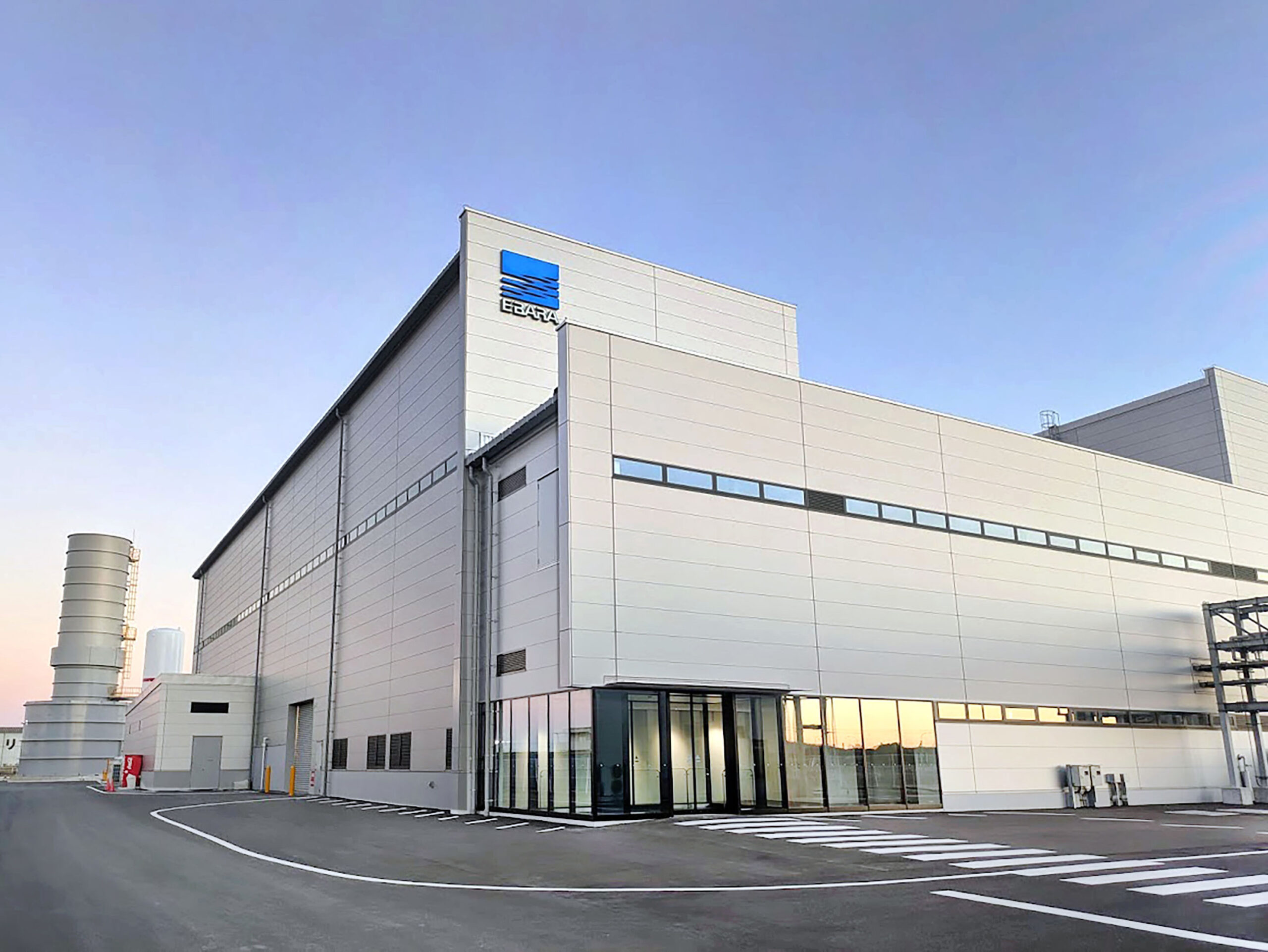
Ebara Elliott Energy (EEE), a Jeannette, Pennsylvania-based subsidiary of Japan’s Ebara Corp., has opened the Futtsu No. 2 District in Chiba Prefecture, Japan. The site pairs E-Hyetec, which EEE describes as the world’s first commercial-scale product test center for liquid hydrogen pumps using actual liquid hydrogen at ‑423°F (‑253°C), with E-Hyefab, a co-located cryogenic equipment manufacturing facility.
The site brings development, prototyping, testing, assembly, and final shipment together in a single operational footprint. Testing machinery with real fluid under actual operating conditions speeds up development cycles while improving safety and reliability for large-scale energy transition projects.
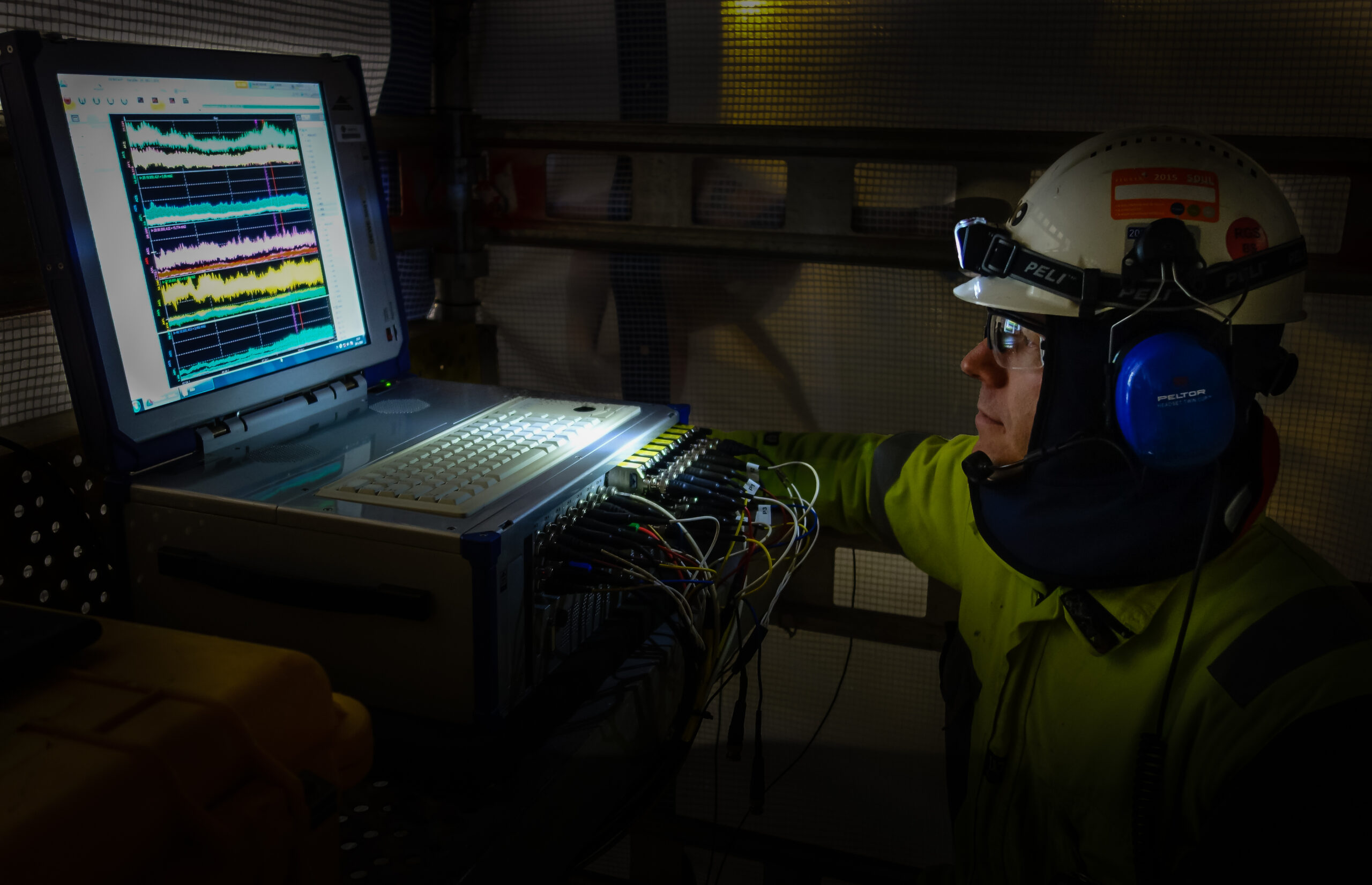
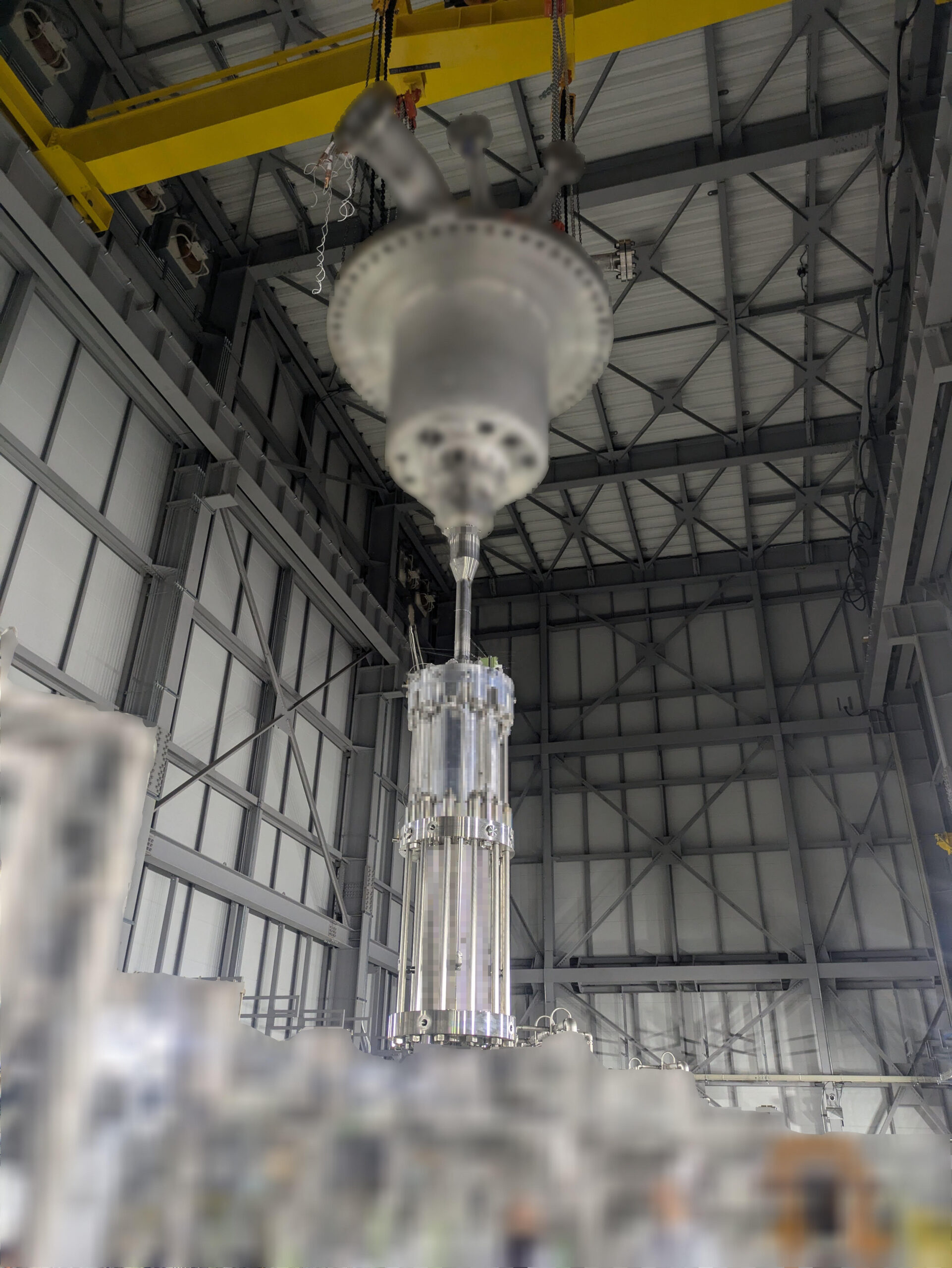
E-Hyetec covers 194,000 ft.2 (18,000 m2), with a building area of 30,000 ft.2 (2800 m2) and serves as EEE’s global center of excellence for hydrogen equipment. The facility conducts rated full-load operational testing on booster pumps, cryogenic return gas blowers, and fluid systems. Its safety systems include early-leak hydrogen sensors, automated emergency ventilation, and centralized digital monitoring.
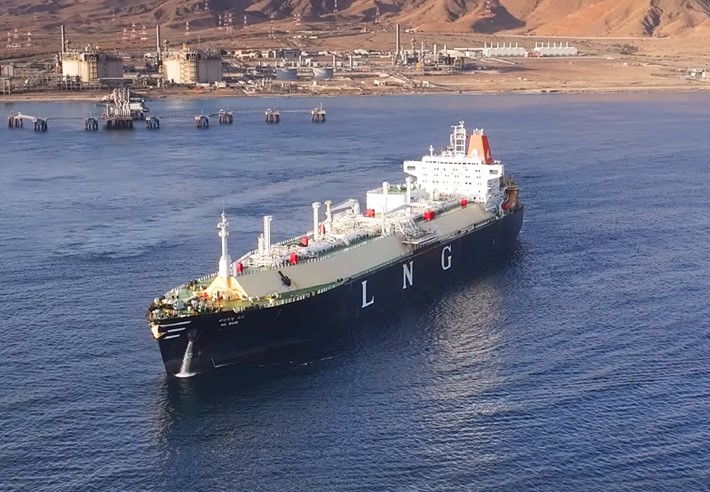
The Futtsu test facility has already helped certify EEE equipment. In July, EEE received what it called the world’s first Type Approval certification for liquid hydrogen cargo pumps used on maritime liquefied hydrogen carriers, after running long-term performance and durability trials with actual liquid hydrogen at its Futtsu plant. Conventional individual approval requires a marine inspector to witness and certify each pump as it is installed on a ship, while Type Approval validates a pump’s design, structural integrity, and performance in advance. EEE said the lack of adequate liquid hydrogen test infrastructure had previously made that kind of certification impossible.
“Acquiring the world’s first Type Approval for an LH2 cargo pump completely eliminates a critical risk for the global hydrogen transport economy,” said Shane Reph, deputy chief executive officer and chief operating officer at EEE.
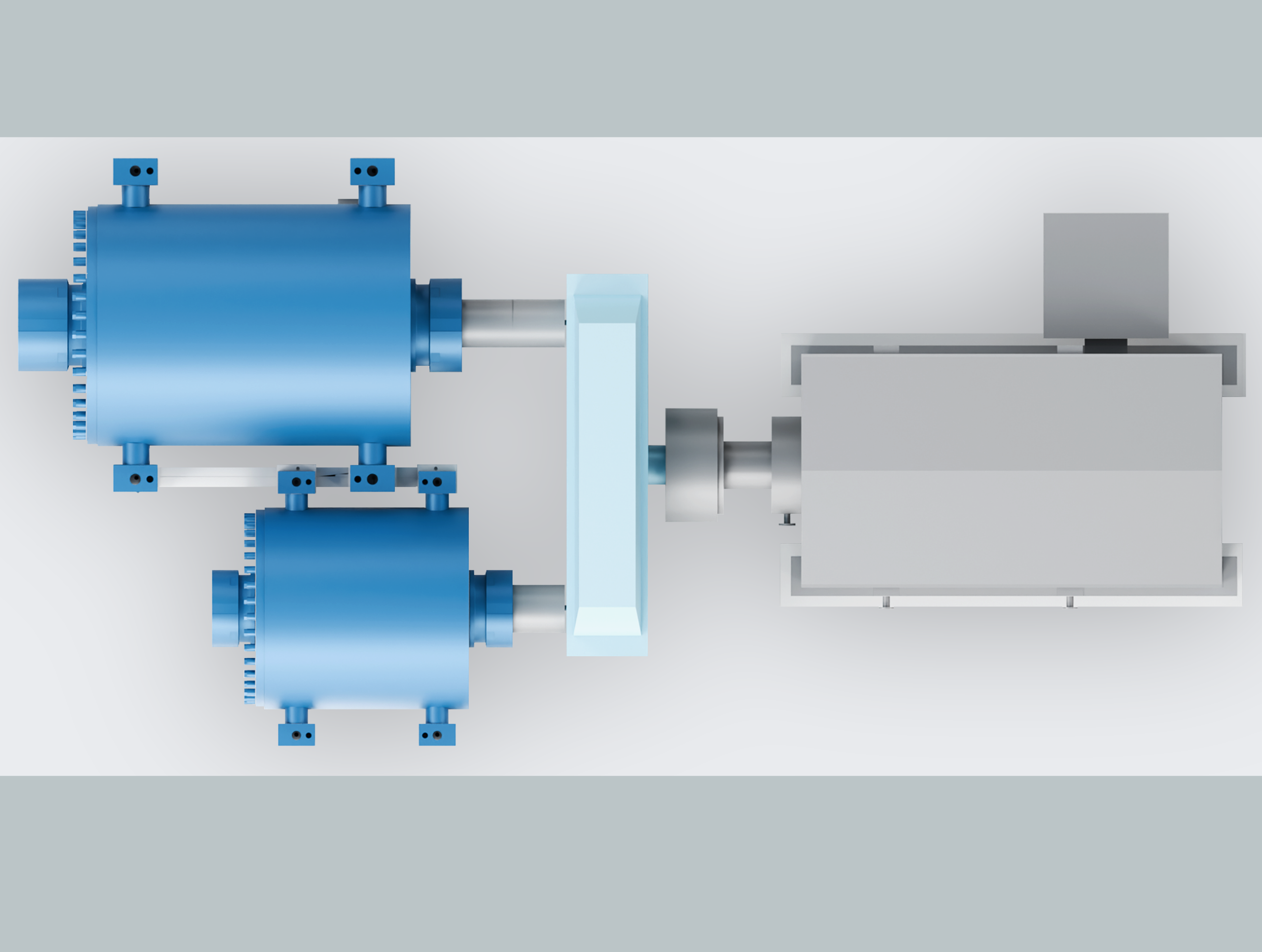
In April, EEE received an order from Kawasaki Heavy Industries to supply liquid hydrogen booster pumps and cryogenic hydrogen return gas blowers for Japan’s Liquefied Hydrogen Supply Chain Commercialization Demonstration. Led by Japan Suiso Energy and supported by the New Energy and Industrial Technology Development Organization’s Green Innovation Fund, the project aims to produce hydrogen in Victoria, Australia, liquefy it, ship it by sea, and deliver it to a receiving terminal in Japan’s Kawasaki Coastal Area. It builds on a pilot phase that culminated in February 2022 with the world’s first marine shipment of liquefied hydrogen, from Australia to Japan. The project targets a delivered hydrogen cost of about US$0.19 per m3 by 2030.
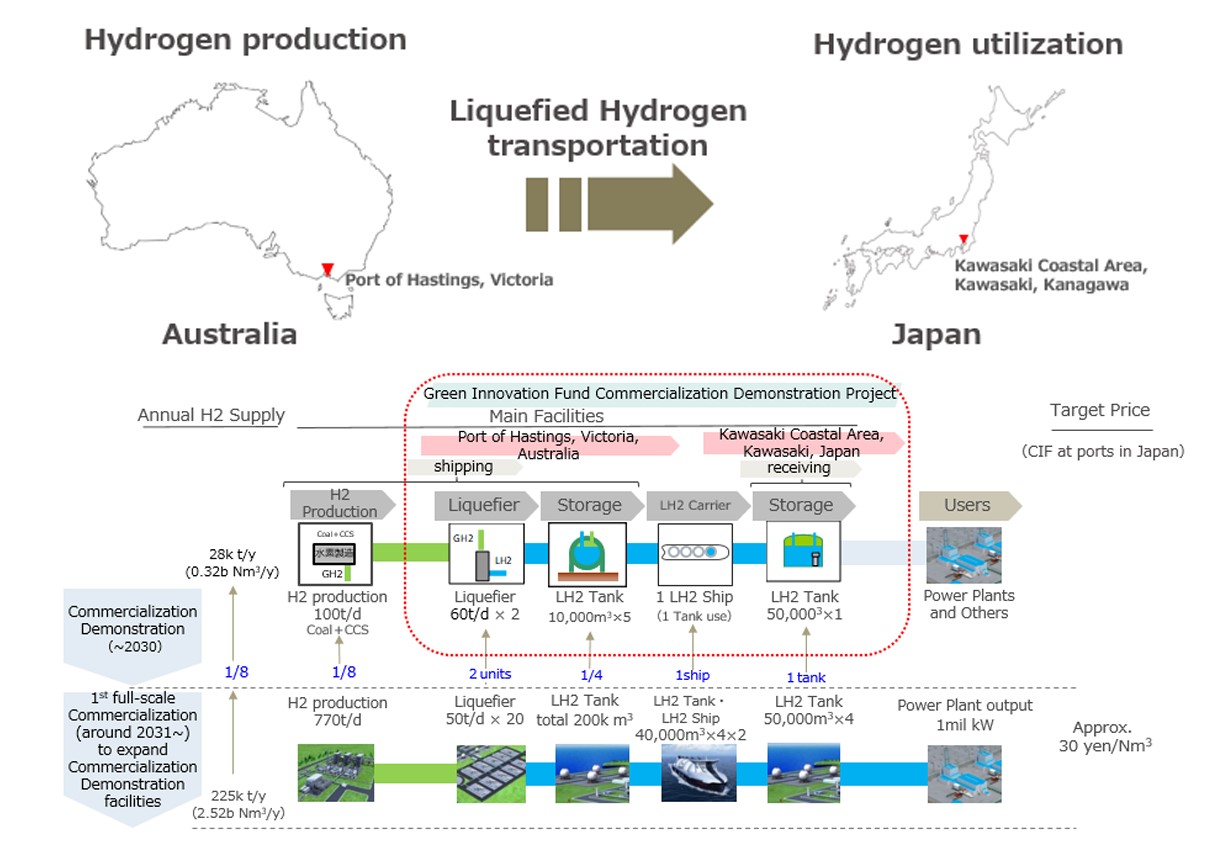
In that project, the booster pumps raise liquid hydrogen from storage tank pressure to the levels required by downstream equipment. The return gas blowers, which operate at about -400°F (‑240°C), recover and circulate low-pressure gas generated in the facility and maintain pressure balance between the onshore facilities and the liquefied hydrogen carrier.
According to EEE, combining manufacturing and actual-fluid testing in Japan will strengthen supply chain efficiency, shorten delivery timelines, and support equipment over its full lifecycle for energy producers, industrial gas companies, and engineering, procurement, and construction contractors working toward 2050 net-zero goals.
“As the global energy sector transitions toward carbon neutrality, establishing a safe, resilient hydrogen supply chain is paramount,” said Nobu Miyaki, chair and chief executive officer of EEE. “E-Hyetec and E-Hyefab enable us to deliver fully verified, commercial-scale cryogenic pumps and blowers directly to energy projects worldwide, supporting our customers’ decarbonization goals with complete confidence.”