Load Growth And Gas Deliverability
FERC’s Large Load Reforms Signal New Era For Data Centers, Opportunities For Gas Compression

The Federal Energy Regulatory Commission’s (FERC’s) decision to act on reforms aimed at integrating large electrical loads marks a structural shift in how energy infrastructure will be planned and financed in the United States. Driven by unprecedented growth in electricity demand from data centers and other high‑impact consumers, the initiative signals tighter coordination between load growth, transmission planning, and cost responsibility. While much of the attention has focused on the electric grid, the implications extend deeply into the natural gas marketplace and, in particular, into the role of gas compression in supporting power generation.
At the center of FERC’s effort is an Advance Notice of Proposed Rulemaking initiated by the US Secretary of Energy that asks how transmission systems can accommodate massive new loads in a timely, orderly, and equitable manner. Data centers — especially those supporting artificial intelligence (AI) and cloud computing — are emerging as some of the fastest-growing electricity consumers in the country, often requiring hundreds of megawatts at a single site. FERC’s message is clear: these loads must be integrated without compromising grid reliability or shifting undue costs onto existing ratepayers.
For data center developers, the reforms point toward a future with more predictable but more disciplined interconnection processes. Regional transmission organizations are being pushed to establish transparent rules, require firmer commitments from load applicants, and align interconnection timelines with actual infrastructure readiness. At the same time, FERC is signaling less tolerance for speculative capacity reservations or cost structures that spread upgrade costs across all ratepayers than for the entity triggering them. This shift matters not only for where data centers are located, but also for how they source power.
One of the clearest outcomes of the current trajectory is increased interest in on-site or nearby dispatchable generation. As transmission constraints and upgrade costs become more visible, pairing large electric loads with generation resources is becoming an attractive way to accelerate project timelines and manage risk. Natural gas-fired generation, valued for its speed, scalability, and reliability, is often the technology of choice in these scenarios. That dynamic brings the natural gas supply chain, and compression infrastructure in particular, squarely into the conversation.
As data centers seek firm, around-the-clock power, demand for gas-fired generation capacity is likely to grow in parallel with growth in electric load. Even where renewables play a role, operators increasingly rely on gas-fired plants to provide baseload support, peaking capacity, or backup power to meet uptime requirements. This creates additional throughput demand on existing pipelines and, in many regions, the need for new compression or upgrades to maintain pressure and deliverability.
For the natural gas marketplace, FERC’s actions reinforce the importance of aligning upstream and midstream investments with downstream power demand. Large data center projects can materially change regional gas flows, particularly when multiple facilities cluster in the same area. Compression operators may see increased demand for horsepower additions, new stations, or technology upgrades designed to support higher load factors and more variable operating profiles. In this sense, electric grid policy is becoming a driver of gas infrastructure strategy.
Cost responsibility is also a key theme spilling over into the gas sector. Just as FERC is emphasizing that large electric loads should bear the costs they impose on the transmission system, gas utilities and pipeline operators are under pressure to ensure that investments tied to power generation are supported by long-term contracts or other firm commitments. This creates opportunities for customized compression solutions tied to specific generators or industrial customers, rather than generalized system expansions.
Another important consideration is timing. Data centers typically move on aggressive development schedules, and their power suppliers must be able to respond quickly. Gas compression projects that can be engineered, permitted, and installed on compressed timelines may gain a competitive advantage. Modular compression, electric-driven compressors, and automation technologies that reduce installation and operating complexity are likely to receive increased attention as developers look to synchronize the delivery of gas and electric infrastructure.
From a reliability standpoint, FERC’s broader objective of building a resilient energy future aligns with the strengths of the natural gas system. Gas compression plays a quiet yet essential role in maintaining system integrity during peak-demand events, when electric load spikes and generation ramps quickly. As data centers add a largely non-cyclical, 24/7 demand component to the grid, the importance of steady, controllable gas supply grows alongside it.
FERC’s push to reform how large electric loads are integrated into the grid is not just an electric-sector story. It is a signal to the entire energy value chain that load growth must be matched with infrastructure investment, transparency, and accountability. For the natural gas marketplace, and especially for the gas compression industry, the message is one of challenge and opportunity. Those who can help bridge the gap between rapidly expanding electric demand and reliable fuel supply will play a central role in powering the next phase of US digital and industrial growth.
FERC’s large‑load interconnection reforms are likely to reshape pipeline investment decisions by changing where, when, and how capital is deployed, rather than by simply increasing overall pipeline buildout across the board. The impact will be felt most clearly in regions experiencing concentrated data center growth and concerns about electric reliability.
Going forward, pipeline investments will become more targeted and project‑driven. As data centers increasingly rely on dedicated or nearby gas‑fired generation to secure firm power, pipelines and midstream operators will see demand for lateral lines, compression additions, and localized expansion projects tied to specific generators. Instead of broad, speculative mainline expansions, capital is more likely to flow toward infrastructure backed by anchor customers with long‑term, firm transportation or fuel supply agreements.
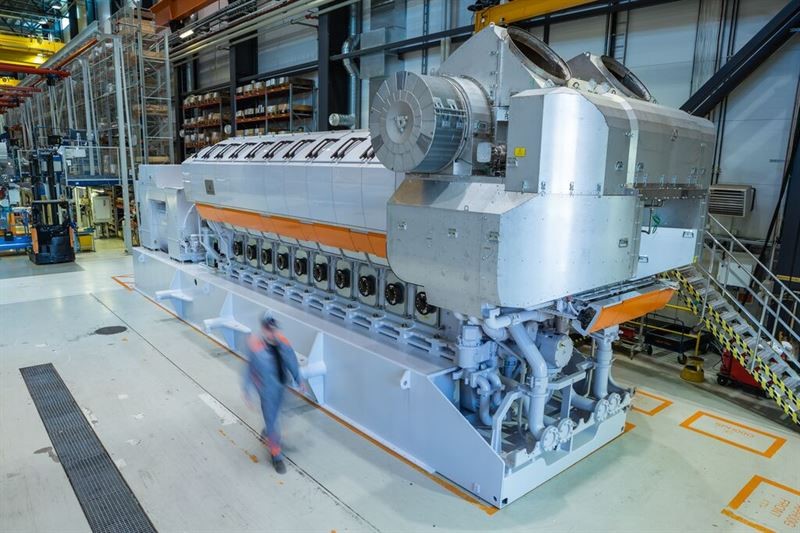
Compression upgrades may outpace the development of new greenfield pipelines. In many regions, the gas supply already exists, but pressure, deliverability, or operational flexibility is insufficient to support new power generation loads operating at high capacity factors. Adding or modernizing compressor stations is often faster, less controversial, and more cost‑effective than building new pipelines, especially given the challenges of permitting timelines and public scrutiny. This dynamic favors incremental investments that increase throughput and reliability on existing systems.