Advancing Sustainable Infrastructure Through Cross-Compression
Deal Establishes A Coast-To-Coast Platform For Delivering Product Capture And Emissions-Mitigation Solutions From Wellhead To Local Distribution
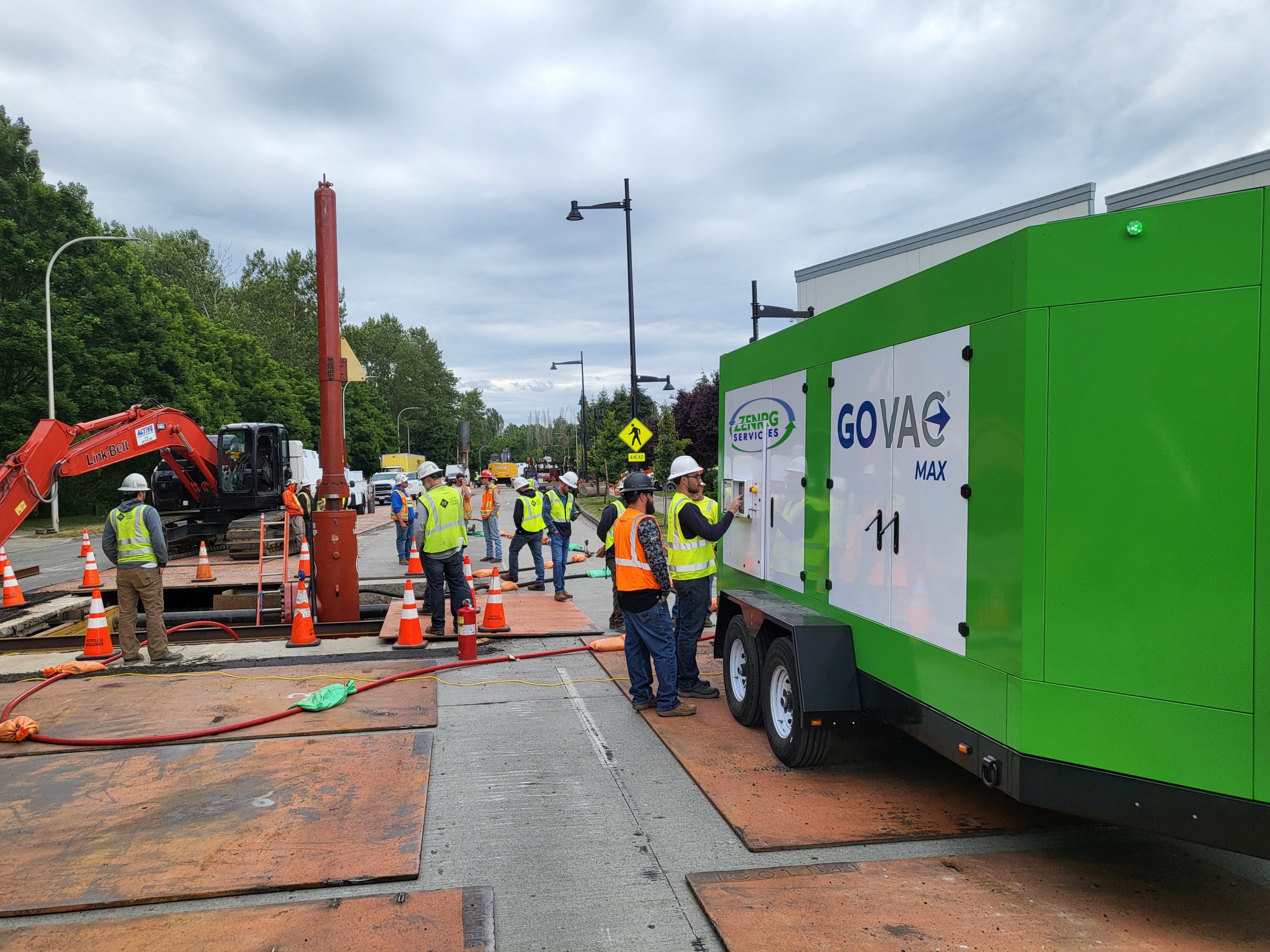
Zenrg Services Inc. (Zenrg), a provider of recompression and emission-reduction services for the energy sector, has acquired the assets of Versiv Solutions (Versiv), an Artera company, which offers cross-compression solutions serving the utilities sector across the Eastern United States. The acquisition expands Zenrg’s footprint and customer base in the lower 48 states, building upon its presence across the Western US.
“The acquisition of Versiv Solutions increases our capacity and services, doubles our geographic coverage, and provides greater operational flexibility,” said Joe Chandler, chief executive officer of Zenrg. “As emissions reduction is a priority for the industry, we’re equipped to help operators keep more product in the pipe at a greater scale than before.”
Complementary Offerings
Zenrg is disrupting traditional venting and flaring methods used across the oil and gas landscape by instituting methods to retain gas and liquid hydrocarbons. Whether driven by stricter emission standards, changing social expectations, or investor mandates, oil and gas outfits are increasingly seeking more environmentally friendly solutions. Versiv and Zenrg’s cross-compression technologies capture natural gas during re-compression events and return it to the pipeline system, thereby preserving product value rather than venting or flaring hydrocarbons.
Zenrg transfers gas and liquids to nearby vessels and pipelines rather than releasing them into the atmosphere. These solutions are complemented by Versiv technology, which captures natural gas during depressurization events to return it to the pipeline system, preserving product value while minimizing environmental impact.
“The integration of Zenrg and Versiv strengthens our ability to help customers keep gas and liquid in the pipe, lower emissions, improve ESG [environmental, social, and governance] performance, reduce operational risk, and maintain uptime during maintenance events,” said Chandler. “The acquisition of Versiv Solutions was a deliberate step to accelerate Zenrg’s growth and strengthen our competitive position in emissions mitigation and pressurized hydrocarbon product recovery. Versiv’s cross-compression technology is complementary to our existing recompression and pump-around platform, enabling us to expand our technical offering and address a broader set of operating conditions—particularly in dry gas applications.”
Zenrg has historically been strong in the Western US. Versiv has established a presence in Eastern markets, transforming the company into a national provider across the lower 48 states. The acquisition also allows Zenrg to scale more quickly as a more end-to-end solution.
“Integrating Versiv expands our addressable market, strengthens our technical offering, and establishes a national footprint,” said Chandler. “This positions Zenrg to capture greater market share, drive operating leverage, and accelerate growth through a more comprehensive, scalable service platform.”
Versiv’s Edge
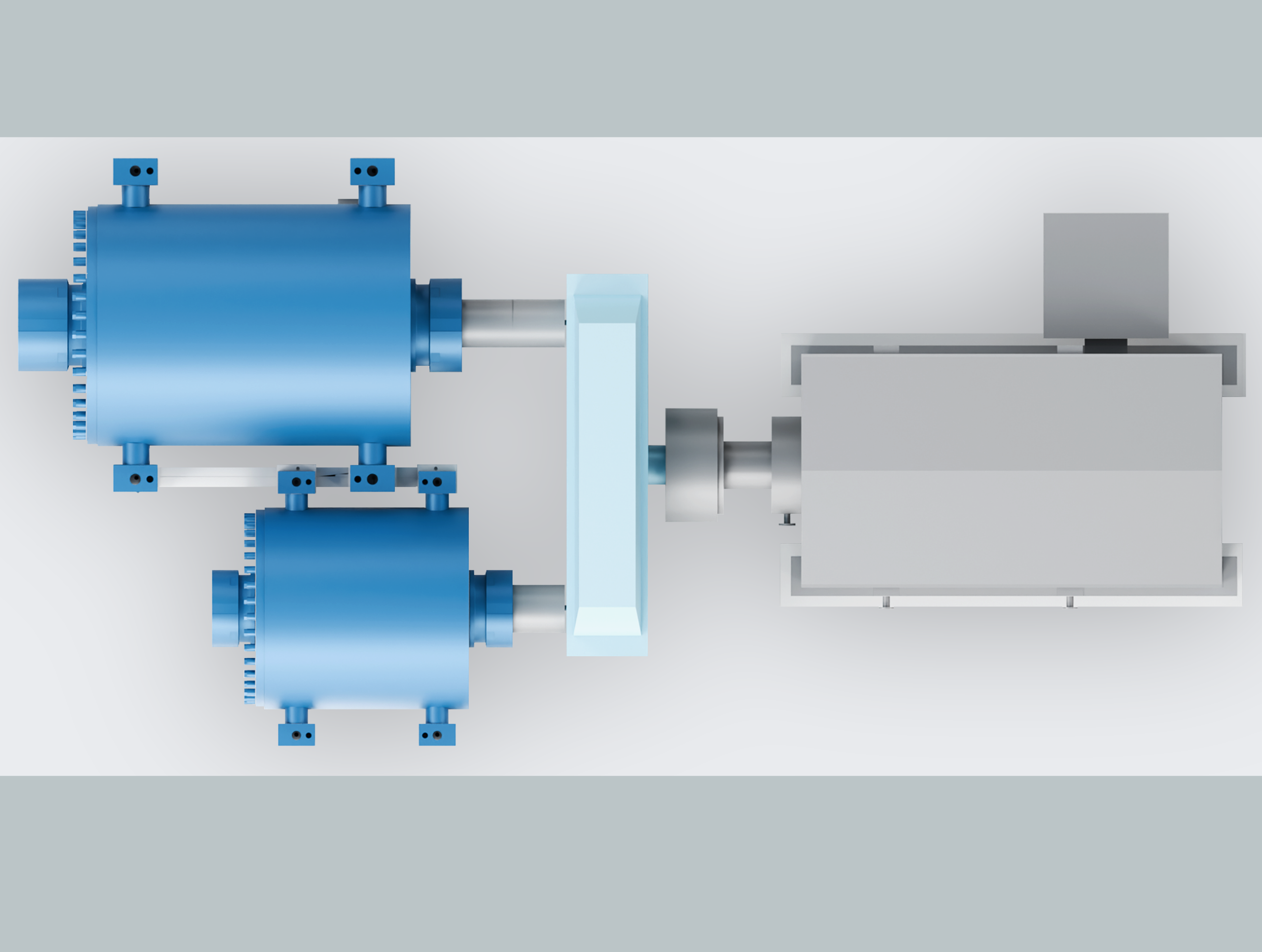
On the cross-compression front, Versiv developed specialized equipment to transfer natural gas from a pipe section requiring repair or maintenance to another part of the pipeline system, rather than venting or flaring it. The company’s focus on reducing methane emissions during pipeline depressurization for repair and maintenance allows clients to continue necessary pipeline work without interruption.
“The combined offering supports all energy verticals with services for pressure balancing and maintenance shutdowns, in-line inspection support, and high-volume pipeline evacuations,” said Chandler.
Zenrg’s core capabilities center on evacuating and transferring pressurized hydrocarbons from pipelines and vessels during repair and maintenance operations. In addition to recompressing natural gas, the company enables the movement of pressurized liquid hydrocarbons across a range of products, including heavy products such as fuel oils, gasoline, and other refined products, highly volatile natural gas liquids (NGLs) such as ethane, propane, butane, isobutane, and butadiene, and highly reactive compounds like propylene and butene. This multi-phase capability differentiates Zenrg as it handles both gas and liquid streams under pressure.
Before the acquisition, Zenrg focused on multi-phase fluids (liquids and gas) typically found at the wellhead and in midstream gathering. Versiv’s cross-compression technology, designed specifically for dry natural gas, added downstream utility and local distribution services. By merging these tools, Zenrg can now manage emissions at every stage of the lifecycle—from production (upstream) and transportation (midstream) to consumer delivery (downstream).
Versiv’s equipment was built for the high-frequency, smaller-scale maintenance needs of utility companies. In this vein, Versiv extends Zenrg’s reach beyond its traditional focus on the heavy-duty systems used for large-scale pipeline evacuations.
“The result is the creation of a closed-loop system by isolating vessels or pipeline segments and deploying specialized equipment to recompress or pump around hydrocarbons, enabling reinjection into a live line and eliminating the need for venting or flaring,” said Chandler. “The typical sequence includes isolating the pipeline, connecting the equipment, evacuating the product, and recompressing or transferring it for reinjection—allowing maintenance to be performed safely and without emissions.”
Pipe-to-Pipe Compression
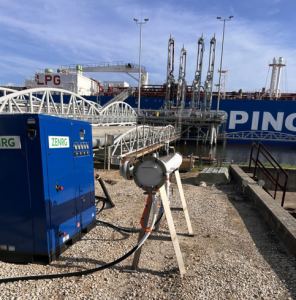
According to Chandler, the growing adoption of pipe-to-pipe compression is being driven by the industry’s shift away from venting or flaring pressurized hydrocarbons during pipeline maintenance and repair. Zenrg captures and reinjects hydrocarbons that would otherwise be lost. The advantages are both economic and operational. By keeping product in the pipe, operators retain hydrocarbon products that can be sold. At the same time, eliminating venting and flaring helps operators meet evolving regulatory requirements and achieve sustainability objectives. In addition to product recovery, Zenrg provides environmental impact reports that quantify carbon dioxide emissions avoided, supporting ESG reporting and enabling operators to track and demonstrate measurable progress.
“Operators are increasingly operationalizing their decarbonization efforts, but what’s notable is the shift in how these solutions are being valued,” said Chandler. “Methane capture is no longer viewed solely as a compliance cost—it’s now recognized as a driver of operational efficiency.”