Uniper, VNG Produce First Green Hydrogen At Energiepark Bad Lauchstädt
30 MW Electrolyzer Begins Testing Ahead Of 2027 Deliveries To TotalEnergies’ Leuna Refinery Through A Converted Natural Gas Pipeline
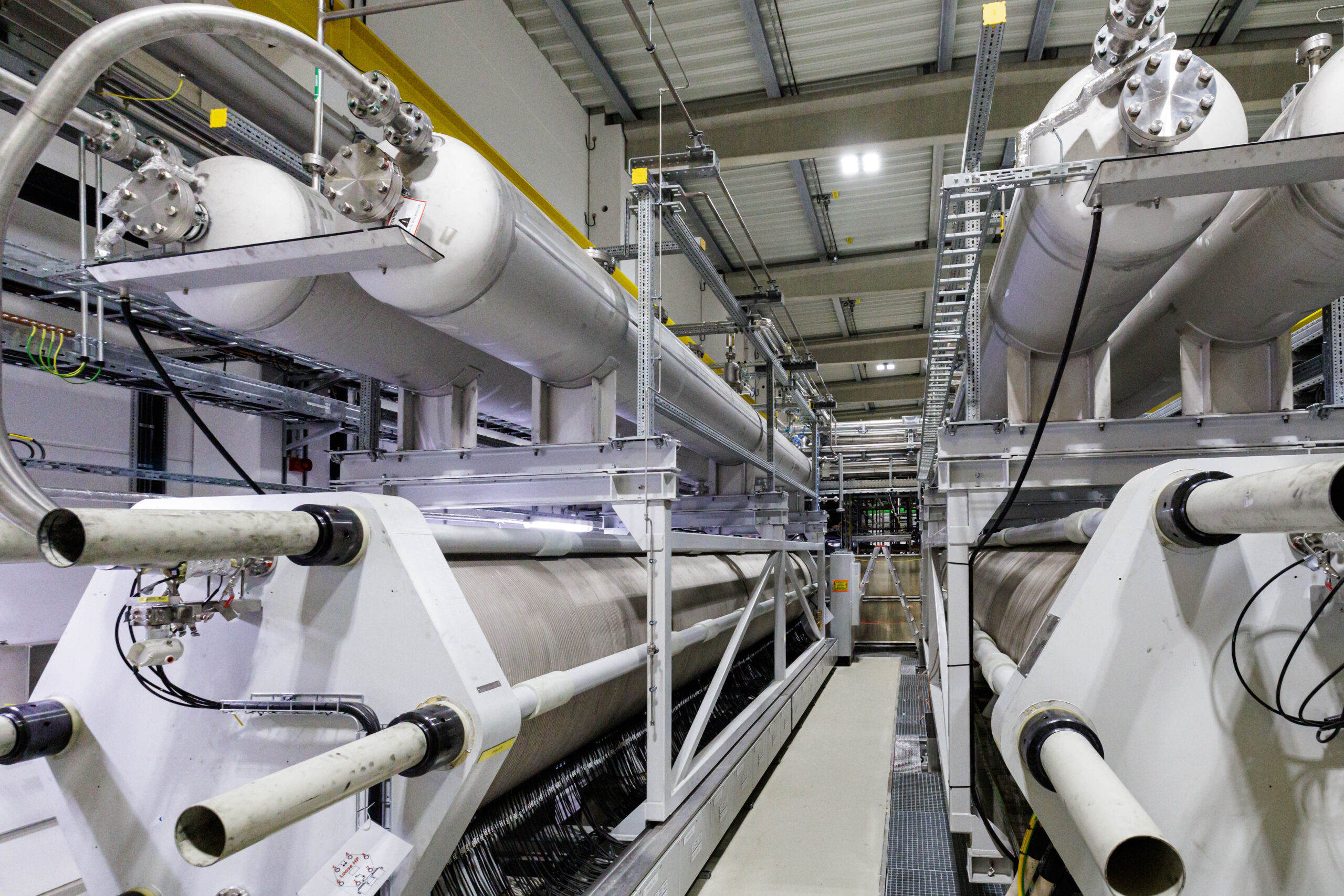
Uniper and VNG have produced green hydrogen for the first time at Energiepark Bad Lauchstädt in Central Germany, where a 30 MW electrolysis plant is now entering integrated testing. Full commissioning of the overall hydrogen system is scheduled for 2027, when industrial customers are expected to begin using the hydrogen.
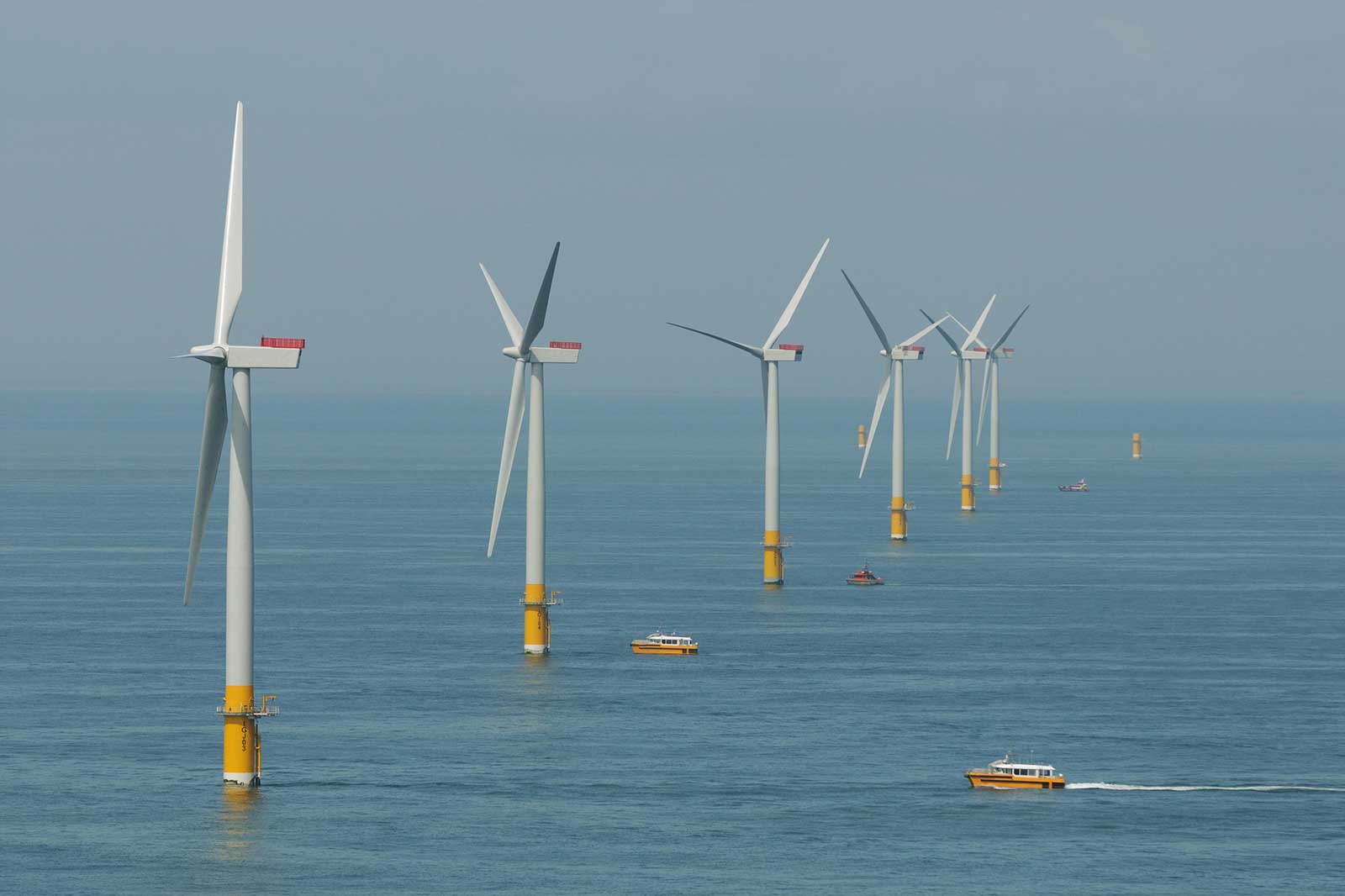
The pressurized alkaline electrolyzer, supplied by Sunfire, consists of three 10 MW modules with two stacks each and runs on renewable electricity from a wind farm of about 50 MW. Hydrogen will travel through an approximately 25-km (15.5-mile) former natural gas pipeline owned by ONTRAS Gastransport GmbH, converted for hydrogen service, feeding the hydrogen network that serves the chemical industry in Central Germany. The anchor customer is TotalEnergies’ refinery in Leuna, and the partners also envision future uses in urban mobility.
“With the production of the first hydrogen, we are moving closer to our shared goal of converting renewable energy into an energy carrier that can be used by industry,” said Konstantin von Oldenburg, managing director of VNG Handel & Vertrieb GmbH (VNG H&V). “These first molecules of hydrogen are a first indication of what is to come: around 3000 tonnes [3300 tons] of hydrogen that our anchor customer will purchase and use in industrial applications next year. The testing phase now getting underway is an important step in bringing the individual components together and paving the way for future supply.”
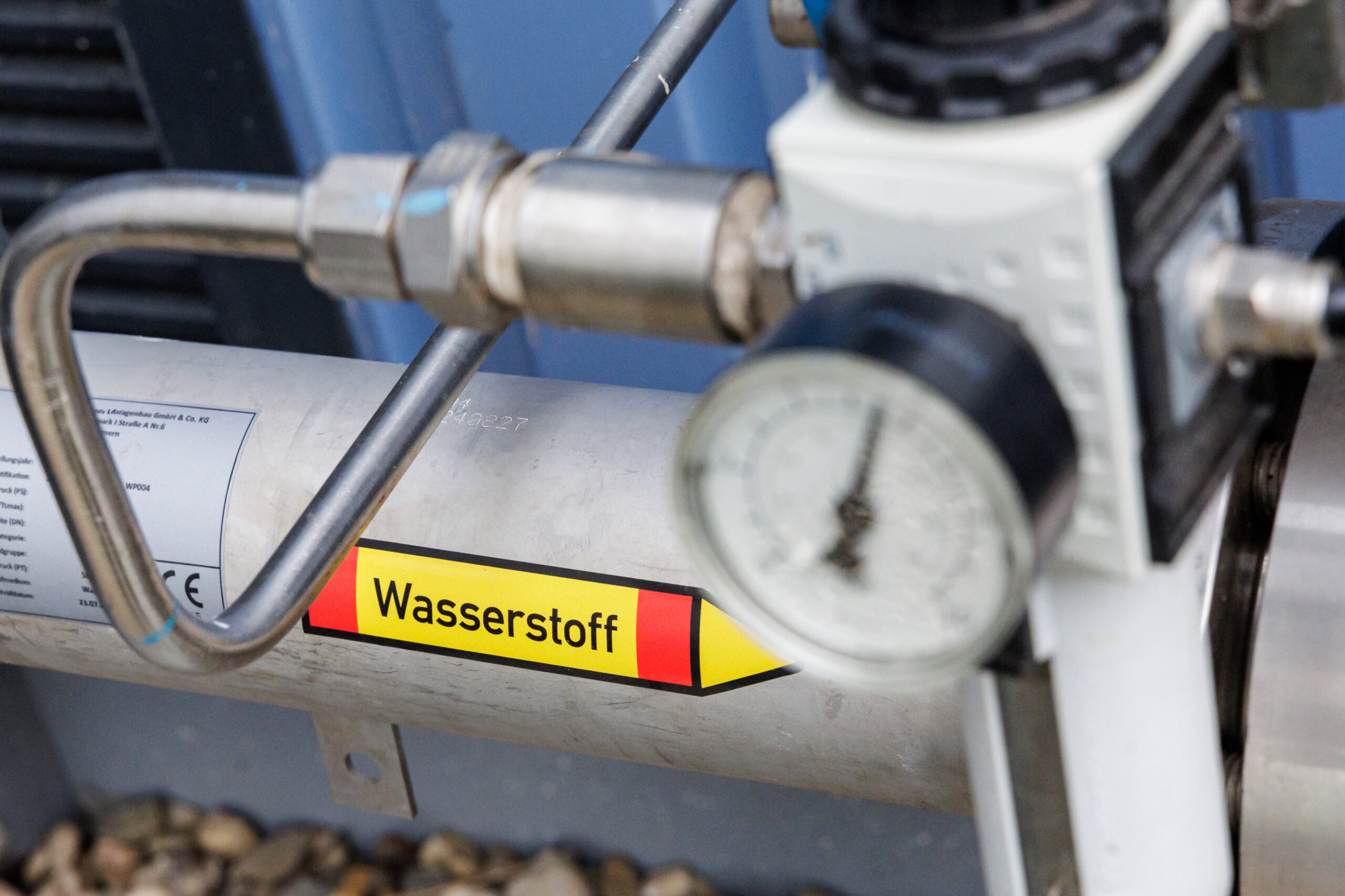
Photo: Image courtesy of Uniper, Jens Schlueter/Energiepark Bad Lauchstaedt
Uniper and VNG H&V operate the electrolyzer through Elektrolyse Mitteldeutschland GmbH (EMG), their joint venture, which oversees construction and operation. VNG H&V will market the hydrogen and develop trading and sales structures. Other partners include wind and solar developer Terrawatt Planungsgesellschaft mbH, ONTRAS, and DBI – Gastechnologisches Institut gGmbH Freiberg, an independent research institute of the German Technical and Scientific Association for Gas and Water (DVGW).
The partners are investing US$231.5 million in the project, which received US$48.5 million in public funding through the Real-World Laboratories of the Energy Transition (Reallabore der Energiewende) program under the German Federal Ministry for Economic Affairs and Energy’s 7th Energy Research Program. Construction of the electrolyzer began in June 2023.
“The hydrogen economy needs more than electrolyzers. It needs functioning links between renewable power generation and industrial customers. That is exactly what we are working on in Bad Lauchstädt,” said Holger Kreetz, chief operating officer of Uniper. “Producing the first hydrogen is an important milestone. The key now is to ensure that the entire process chain operates reliably.”
“The hydrogen economy will take off where production, infrastructure and industrial demand come together in close proximity. Regional clusters like these can provide the starting point for a growing hydrogen market,” said Hans-Joachim Polk, chief technology officer of VNG AG. “Energiepark Bad Lauchstädt offers all the key conditions needed to make this happen. Here, we can test how the different elements of the value chain work together in practice and gain valuable experience that can also support the development of further regional hydrogen clusters.”