Executive Outlook: Renegade Infrastructure
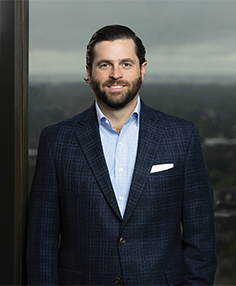
A Conversation With Drew Ward, Founder And Chief Executive Officer Of Renegade Infrastructure
 Please introduce our readership to Renegade Infrastructure (Renegade). How did the company get started, and what is the background of the leadership team?
Renegade was founded in late 2024 and formally launched in January 2025. It represents the third iteration of our team’s work in the midstream space.
Following the sale of Pinnacle Midstream II (Pinnacle II) in July 2024, we had a vision of continuing to develop assets under a new brand and build something new with the same core team.
We re-partnered with Energy Spectrum Capital (Energy Spectrum), a middle-market private equity firm. They were excellent partners and investors with us at Pinnacle II, so it just made a lot of sense to go back and reengage with the Energy Spectrum folks.
The majority of the team that we have in place was either around or part of the core team of the Pinnacle Midstream franchise. There is an incredible amount of embedded knowledge within this management team. We have a long work history and deep trust. That culture allowed us to raise new equity and launch Renegade with a seasoned bench of talent.
On May 20, 2024, Phillips 66 agreed to acquire Pinnacle Midland Parent LLC from Energy Spectrum Capital for US$550 million. At the time of the sale, Pinnacle’s assets included the recently built Dos Picos natural gas gathering and processing system featuring a 220-MMcf/d (6.2 x 10⁶-m3/d) gas processing plant, 80 miles (129 km) of gathering pipeline, and over 50,000 hp (36,775 kW) of compression in one of Phillips 66’s focus basins. How did Pinnacle II build the gathering systems and processing plants from the ground up and how does that experience give Renegade a unique perspective on the gas compression industry?
We put the Dos Picos deal together in July 2020 via the relationships that we had. It was right in the heart of the COVID-19 uncertainty. We figured that if there was sunlight on the other side of this, we had to be the ones to build something. While the rest of the industry was being reactive, we chose to be proactive. Luckily, we aligned with another producer that shared our view that the Midland Basin would eventually recover. We connected with the producer and put together a deal to start developing when no one else was building infrastructure coming out of the COVID period.
We initially built a 220-MMcf/d processing plant in the Midland Basin with associated compression. We also built an NRU [nitrogen removal unit] onsite to put more bells and whistles on the facility. It served us well because once the capital and the drilling rigs started showing back up in the Permian, we were ready to capture that next wave of gas and be in a great position to support our customers. We were in the right place at the right time, with a little bit of luck sprinkled on, but we also had the capital ready to go and the technical expertise to be contrarian.
We felt pretty confident about the longevity of the resource. Our first customer at Dos Picos was Double Eagle III, which was sold to Pioneer Natural Resources in 2021, and then Pioneer was sold to ExxonMobil in 2024. With that track record, the proof and value of the reserve base speaks for itself.
Is Renegade essentially Pinnacle III or is it an entirely new idea?
It’s a bit of both. We carry forward the foundational relationships and technical expertise from Pinnacle I and II, but Renegade is a new regime with a broader horizon. We’ve retained Pinnacle Founder Greg Sargent as a senior advisor to maintain that mentorship, but we’ve also added new executive talent to capture emerging market trends. We’re bringing in the next phase of growth for our executive management team here. This position gives us a new perspective to capture trends in the marketplace.
The key distinction is our mandate. Renegade is built to be a sustaining, multi-commodity, and multi-basin platform. Our dream is to execute projects not just in one basin but across multiple regions simultaneously, because those are the relationships that we’ve cultivated. We want to have the ability to perform on a project in one basin and have that same relationship come back and say, “Hey, y’all did a great job. What do you think about going over here and doing something else for us?” We want to leverage our reputation to solve infrastructure bottlenecks wherever they arise, rather than being tied to a single geography.
Renegade focuses on the acquisition, development, and operation of assets. Are you looking to buy existing infrastructure, or is the focus on greenfield projects?
We are Lower 48 focused with a very broad mandate. Our strategy is built on being cautiously aggressive. We have the capital to be patient but the agility to act when we find a disconnect in the market. We are looking at both acquisitions and greenfield opportunities where we can add a unique engineering or relationship perspective. We feel like we’ve got a pretty good handle on a few opportunities that we’re in the mix on right now.
We have the ability to be patient and find the right deal that fits our capital structure and our expertise. The last thing you want to do is get into a bad deal. We’re making sure that we are patient by sticking to our investment thesis and executing once we find the right deal. Relationships are the key in this business, especially when you’re a private equity-funded startup. We have a capable roster and relationships from folks we worked with on previous projects, from the producer side to the market side. We lean on those relationships to help us develop projects and find that opportunity for us to invest our risk capital and build necessary infrastructure where someone else isn’t willing to take the risk or a bigger company just has too much on their plate.
We identify stress points in the system, step in, and act as the bridge between the production and the market pull. Traditionally, midstream is a service-provider relationship. We approach it as a financial and project partnership. This model provides more incentive for everyone involved and ensures the infrastructure is perfectly tailored to the producer’s long-term plan. Many of our past developments have been built on this alignment, and it remains a core pillar of the Renegade investment thesis.
Given your experience developing over US$1 billion in assets, how would you describe current supply chain conditions for heavy-duty compression?
I’ve been fortunate to spend my career within world-class organizations. From my early days at Crosstex Energy, now a part of EnLink Midstream, to rising through the ranks at Kinder Morgan, the common thread has always been the mentorship I received. Those experiences shaped my belief that while assets matter, the team is the most critical component of success. It’s humbling to have assembled a team that is aligned on a clear dream and vision. We’re all personal investors in this, too. There’s no better way than to bet on yourself, even with the good and the bad. When we founded Renegade, we built it around a core group of experts I trust implicitly. In the startup world, your reputation is the only currency you have, and we are fiercely protective of ours. While the team handles the heavy lifting, from execution to construction and the day-to-day budgeting, my role is to provide the vision and to call the balls and strikes.
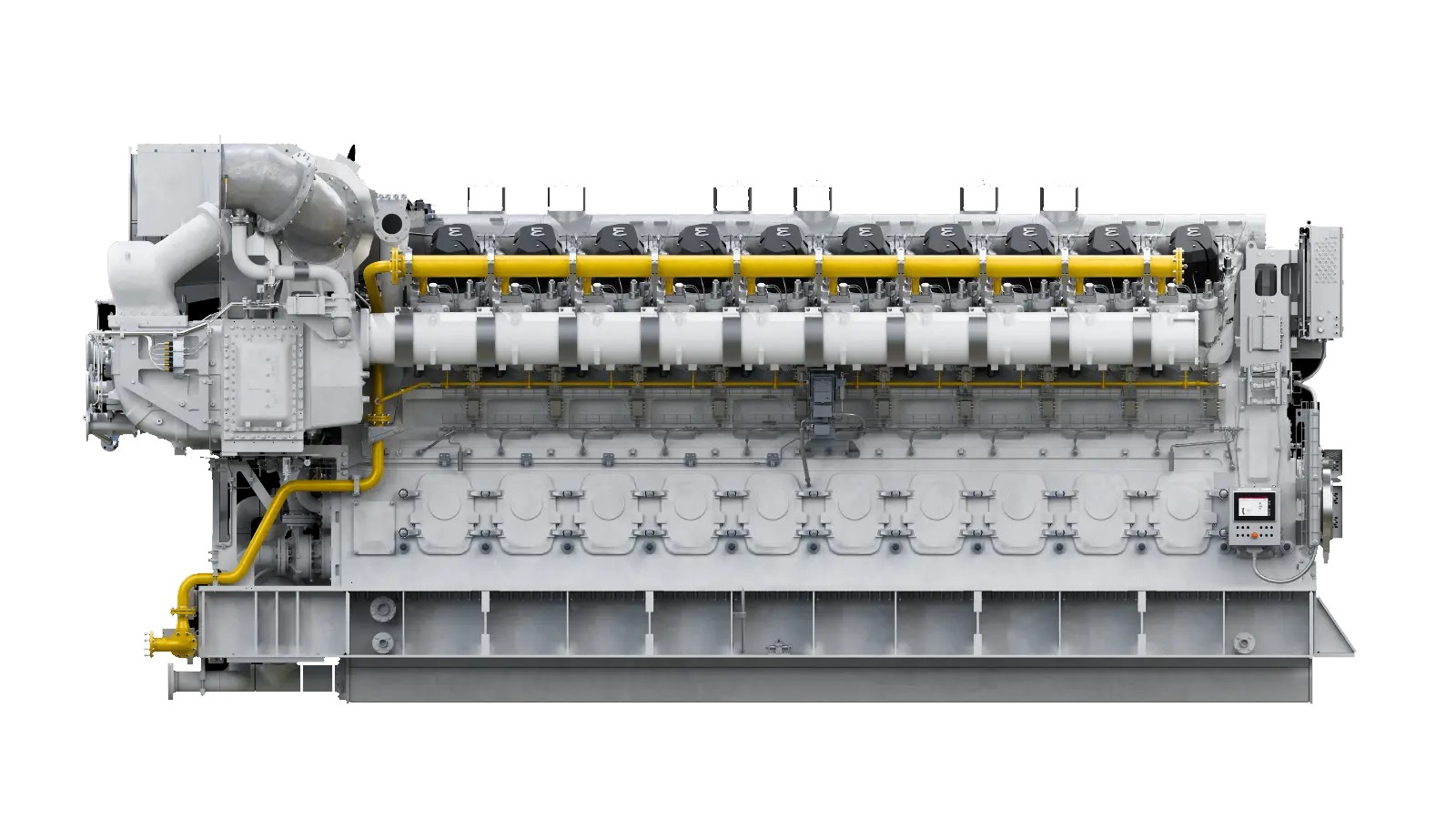
In terms of the current supply chain, the demand from AI [artificial intelligence] data centers has caused compression lead times to be highly pushed out. With Pinnacle II, we found ourselves in a unique position in that the market was in the adverse position. There was a lot of iron sitting on the fence just because of what was going on in the world. Today, the massive demand for power generation from AI data centers has pushed lead times for engines and compression units to 80 weeks or more.
We are no longer in an era where you can just throw money at a delay. We have to be very protective of our reputation by being honest with our customers. If they want to meet a specific timeline, the decision-making process has to happen 18 months in advance. That’s been one of our challenges with our customers. We are saying, “We’re really not trying to cry wolf here, but in order for us to meet your timeline and have the necessary facilities in place, we need to get out ahead of this just because there is so much demand for compressors and engines right now.”
How do you view the impact of liquefied natural gas (LNG) on North American compression needs?
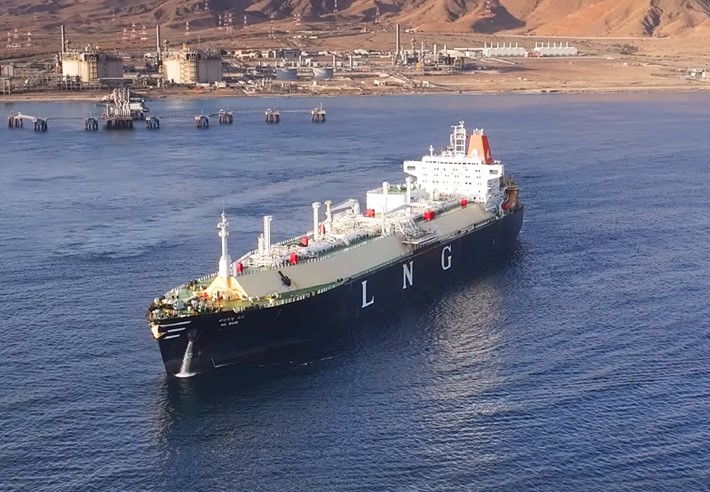
Every midstream company in North America is exposed to the LNG pull, whether directly or indirectly. The Gulf Coast is becoming one of the highest demand centers in the world. Any pipeline that is transporting has a portion that’s going to the coast. Like the broader industry, I’m bullish on LNG too. It’s the gift that keeps on giving for the United States. If you look back 20 years ago, we were building LNG import facilities. Being the leading LNG exporter we are today gives us another leg up in the world theater to have a marketable product that is globally desired.
What opportunities does Renegade see in hydrogen gas compression, renewable natural gas, and compressed natural gas?
Renegade is a multi-commodity company, but we’re not going to stray away from the meat and potatoes of what we’ve been successful at. We are pipeliners by nature. Our expertise is the relationships that are associated with that, from developing, laying pipeline, operating it, moving marketable commodities from A to B, etc. We’re not power plant developers or data center developers.
We’re happy to look at anything that’s midstream or adjacent of that if the relationship takes us there. We like to stick to what we know best and that’s land, horizontal pipe, and building facilities on top of the ground to clean up that commodity and take it to market.
How is Renegade embracing the energy transition, and what regulatory challenges are most pressing?
For us to consider a project, it must stand on its own legs without any kind of subsidies. I’ve always looked at it as an energy addition rather than an energy transition. We’ve always monitored our emissions. We always want to make sure that we’re doing right by the environment. There are technological advances that help you be more green, more effective, and more efficient. We want to take advantage of all that we can as long as it makes sense for our company and our producers. I think it’s just a natural transition. The business will get more efficient. By defacto, it will get cleaner. It’s just what happens by design.
I think there’s a healthy balance of solar and wind that can augment or add to the energy output of what we’re doing. But I think it’s kind of silly to think that we can move away from the hydrocarbon that makes all of that happen and that goes into everything that we use on a day-to-day basis. Until you can create synthetic natural gas and synthetic crude, it’s not going to happen.
What is the ultimate goal for Renegade over the next few years?
Our aim is to build a legacy of reliability. Whether it’s one core project like Dos Picos or a series of strategic assets across several basins, our goal is to be the partner of choice for producers.