Ebara Elliott Energy Achieves Liquid Hydrogen Cargo Pump Milestone
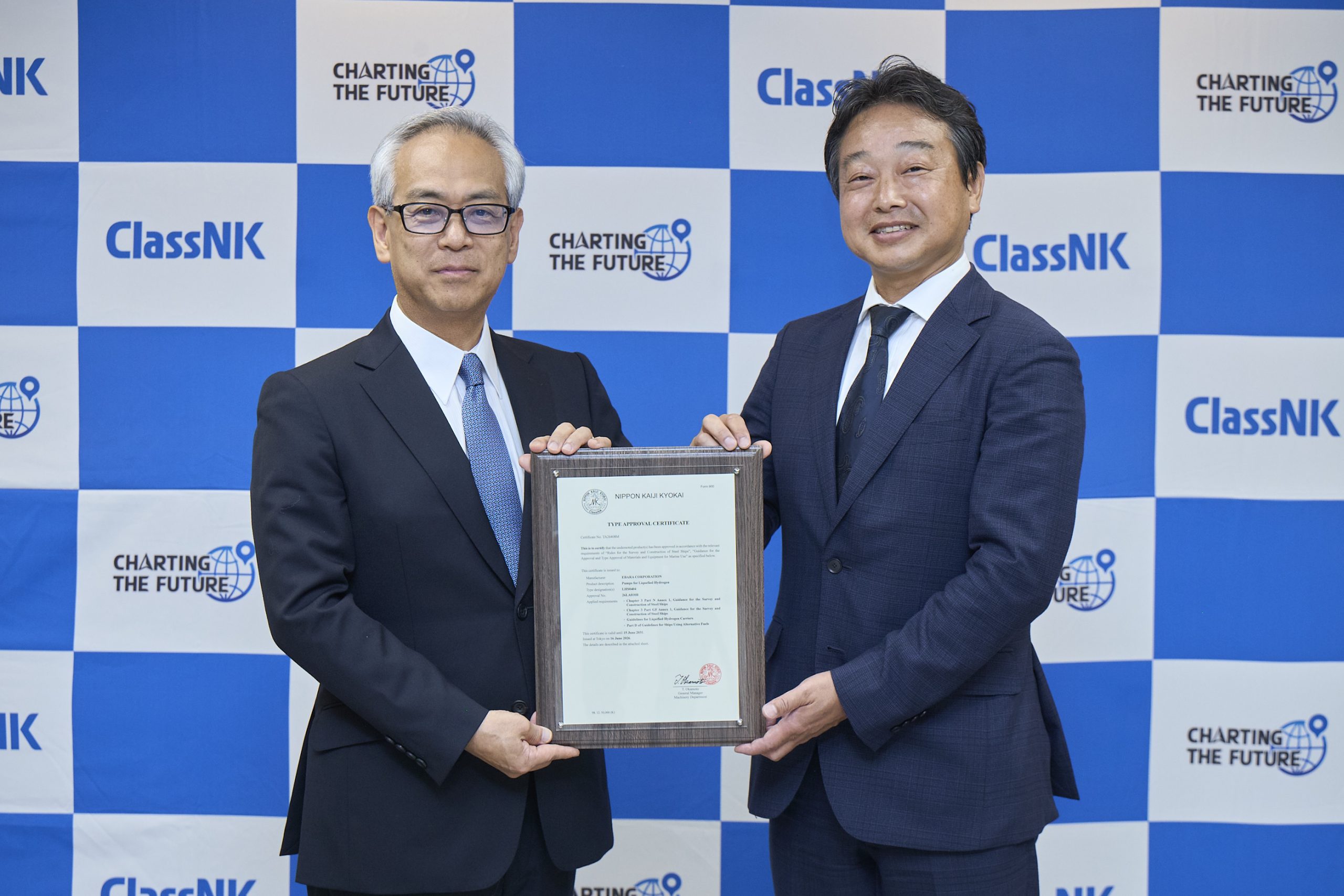
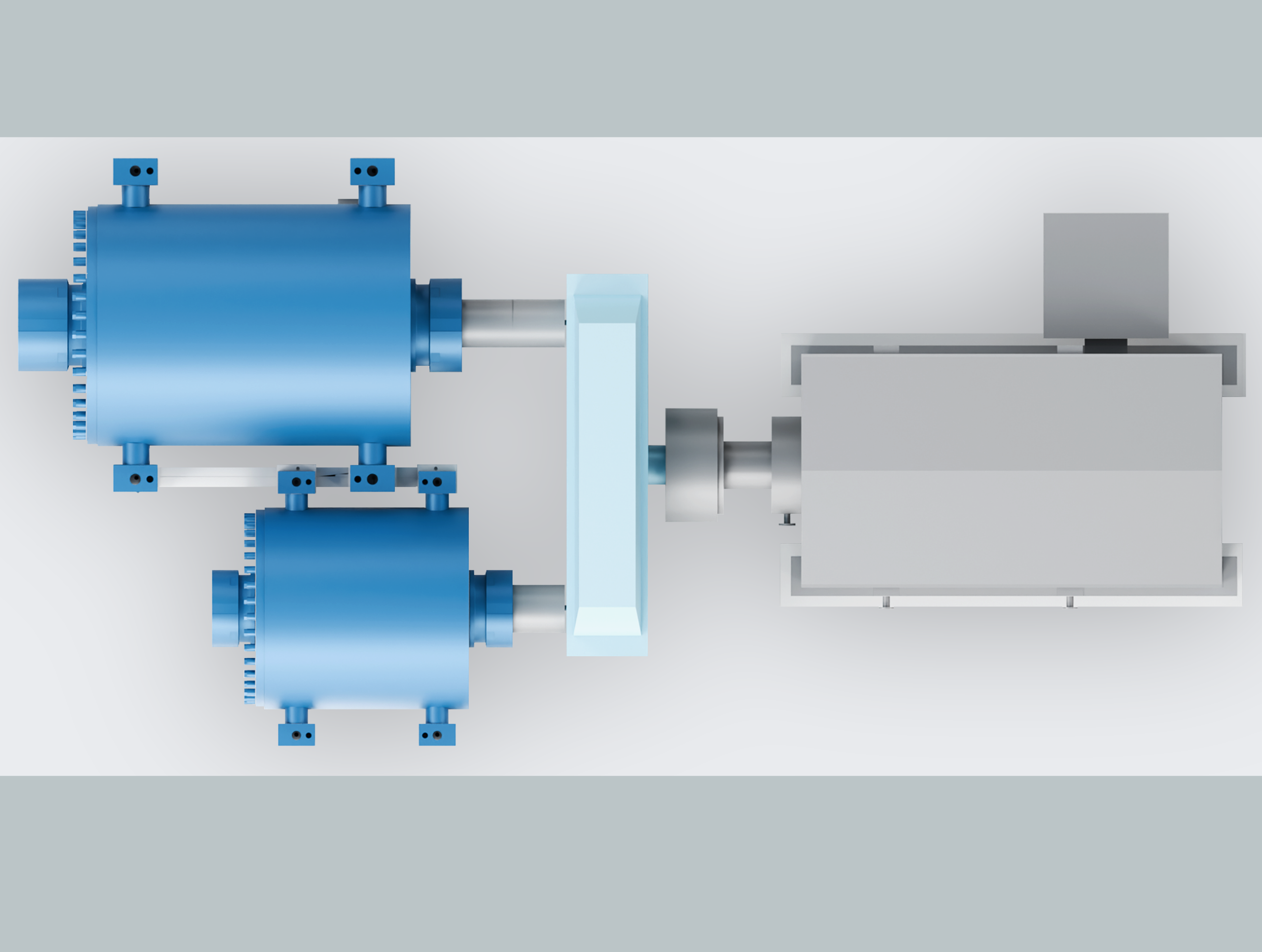
Ebara Elliott Energy (EEE), in technological alignment with its parent company, Ebara Corporation, has achieved the world’s first “Type Approval” certification for liquid hydrogen (LH2) cargo pumps designed for maritime liquefied hydrogen carriers. This milestone shifts global supply chain standards from unverified equipment testing on active vessels to globally certified, pre-validated infrastructure solutions.
Unlike the conventional “Individual Approval” method, which requires a marine inspector to physically witness and certify every single manufactured unit upon shipboard installation, the newly acquired Type Approval validates the fundamental design, structural integrity, and performance specifications in advance. According to EEE, this certification ensures consistent manufacturing quality and minimizes technical risks.
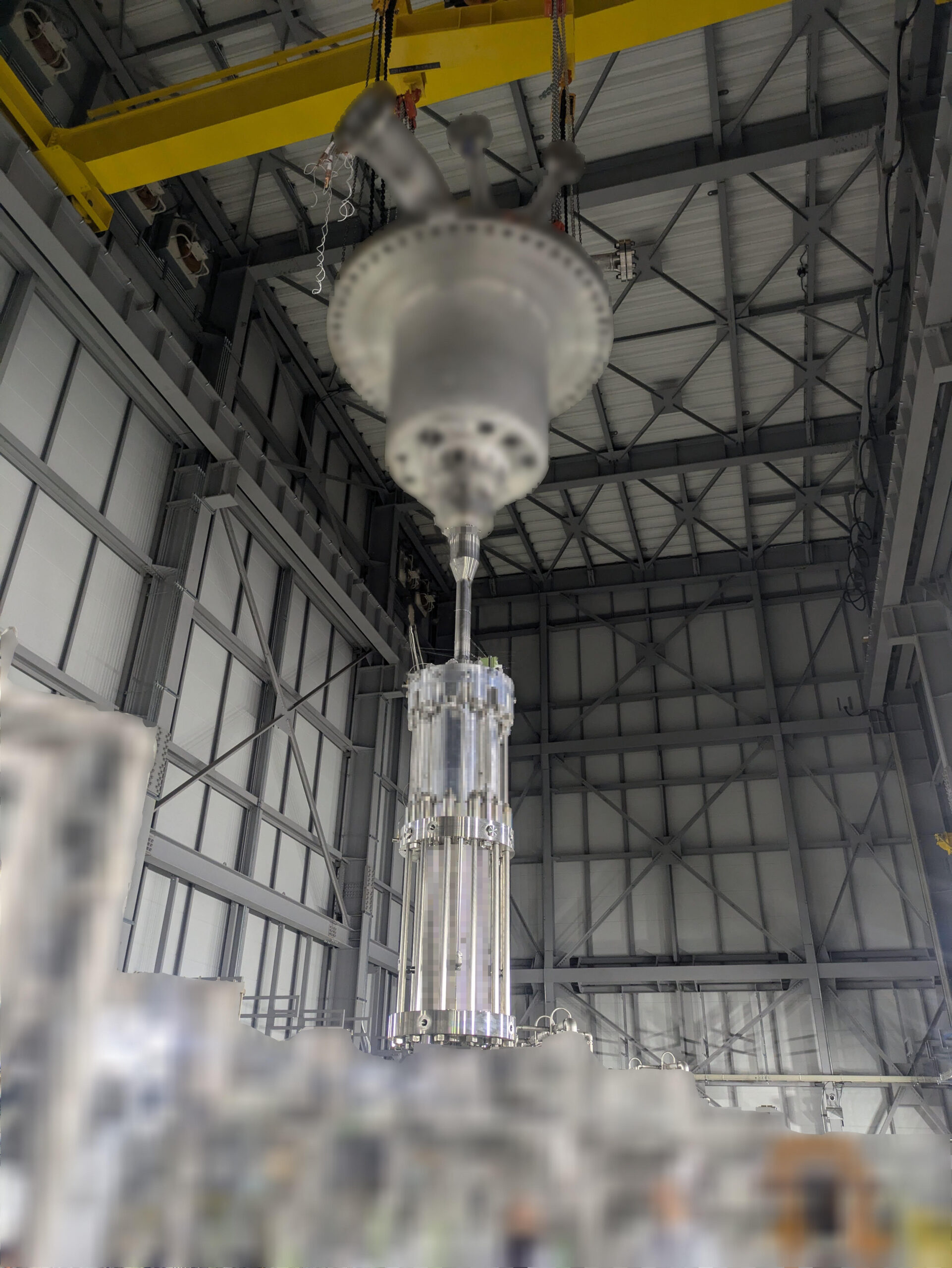
To secure this world-first certification, the engineering team conducted exhaustive, long-term performance and durability trials using actual liquid hydrogen at extreme cryogenic temperatures of -423°F (-253°C). Historically, obtaining such structural certification was impossible due to a global lack of adequate testing infrastructure. EEE and the broader Ebara group bypassed this barrier by using a newly established, large-scale liquid hydrogen test facility located at the Futtsu Plant in Japan, maximizing its global production base capabilities.
“Acquiring the world’s first Type Approval for an LH2 cargo pump completely eliminates a critical risk for the global hydrogen transport economy,” said Shane Reph, deputy chief executive officer and chief operating officer at Ebara Elliott Energy. “By validating our technology on land under real-world operating conditions, we give maritime developers complete confidence from the design stage onward. This upfront proof guarantees equipment reliability while eliminating the costly rework and operational risks that typically plague shipboard pre-commissioning.”
EEE said that its technical achievement is expected to accelerate infrastructure deployment across major regions aggressively building liquefied hydrogen supply chains, including Japan, South Korea, Australia, the Middle East, and the European Union. Moving forward, EEE will expand its certified portfolio to cover a wider range of flow rates and differential heads.