EFRC Member Spotlight: TNO
Address
TNO (The Netherlands Organization For Applied Scientific Research)
Anna van Buerenplein 1
The Hague, The Netherlands
Website
pulsim.tno.nl
Engineering Analysis And Field Testing
As the energy industry expands into hydrogen production, carbon capture and storage, and other low-carbon applications, compressor system designers are facing a new generation of pulsation, vibration, and structural integrity challenges. For TNO, a Netherlands-based applied research organization, these emerging applications are creating growing demand for engineering analysis, testing, and consulting services.
Within TNO’s Energy & Materials Transition program, the Heat Transfer and Fluid Dynamics (HTFD) group supports both traditional oil and gas applications and the rapidly evolving hydrogen sector.
“Our focus is on system integrity and efficiency,” said Leonard van Lier, team leader for Pulsations, Vibrations & Noise at TNO. “We analyze pulsations, vibrations, and noise, and support industrial partners through a combination of numerical simulations, on-site measurements, laboratory experiments, and consultancy services. We maintain a very close connection to the daily practice of both the oil and gas industry and the hydrogen industry.”
The HTFD group specializes in physical and numerical modeling of compressor and process systems, including American Petroleum Institute (API) 618, 674, and 619 pulsation and vibration studies, mechanical response analysis, system dynamic analysis, radiated noise assessments, and detailed flow-forcing investigations. The flow-forcing work covers flow-induced pulsations, multiphase flow forces, acoustic-induced vibration, and water hammer effects.
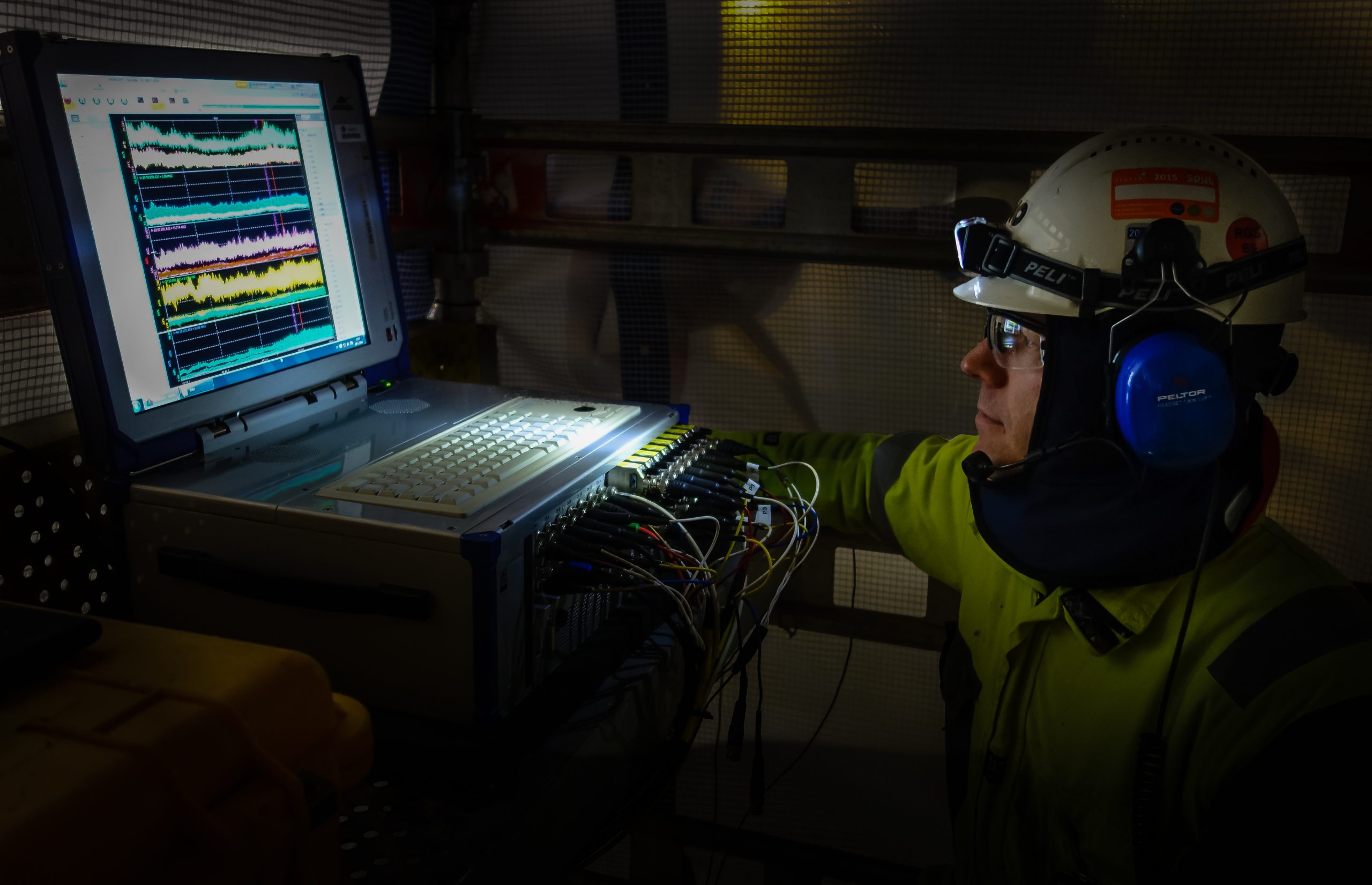
According to Van Lier, TNO combines advanced engineering analysis with extensive field testing. It conducts on-site measurements of pulsation, vibration, dynamic stress, and noise, including in offshore environments, and provides troubleshooting and root-cause analysis services when operational issues arise.
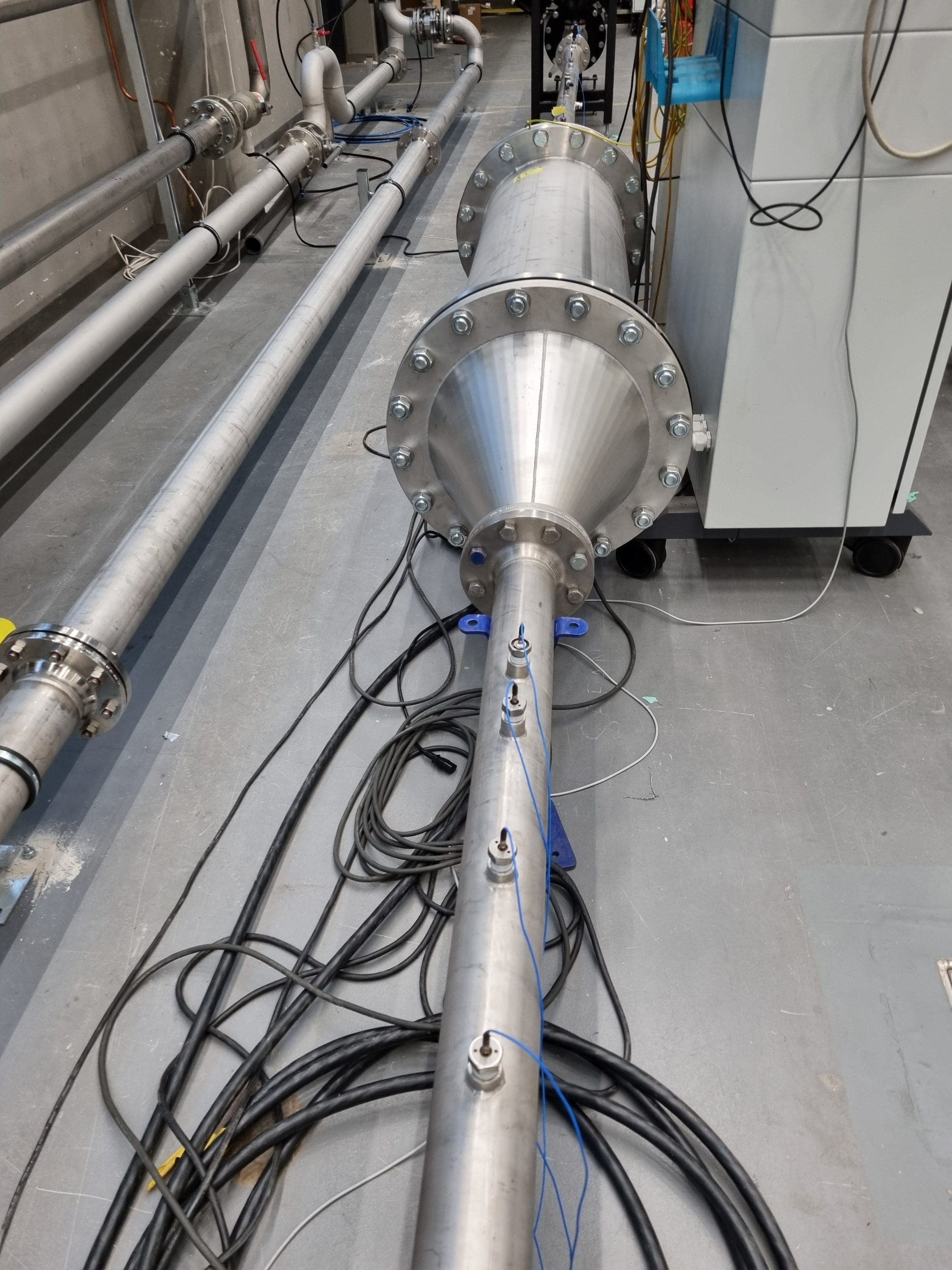
“We have a team of pulsation and vibration measurement experts who are certified for both onshore and offshore measurements and troubleshooting,” said Van Lier. “In addition, we operate dedicated laboratory facilities with flow loops for air, liquid, CO₂, and multiphase flow testing, allowing us to validate models and investigate complex flow phenomena under controlled conditions.”
While TNO is best known as an applied research institute, it also develops and licenses commercial software. For example, its PulsimSuite software platform was designed to simplify API-compliant pulsation studies.
“This tool was specifically developed to make the execution of API-compliant pulsation studies accessible to engineers who are not specialists in fluid and mechanical dynamics,” said Van Lier. “Our advanced time-domain acoustic solver provides exceptional flexibility, accuracy, and efficiency, partly because of its ability to utilize parallel computing.”
He added that the software includes automated validity checks that help engineers avoid modeling errors.
“The on-the-fly validity checking protects users against all kinds of mistakes,” Van Lier said. “At the same time, the results viewer immediately identifies resonances that may cause increased pulsation levels, helping engineers arrive at efficient technical solutions while streamlining their workflow.”
Industry Demand
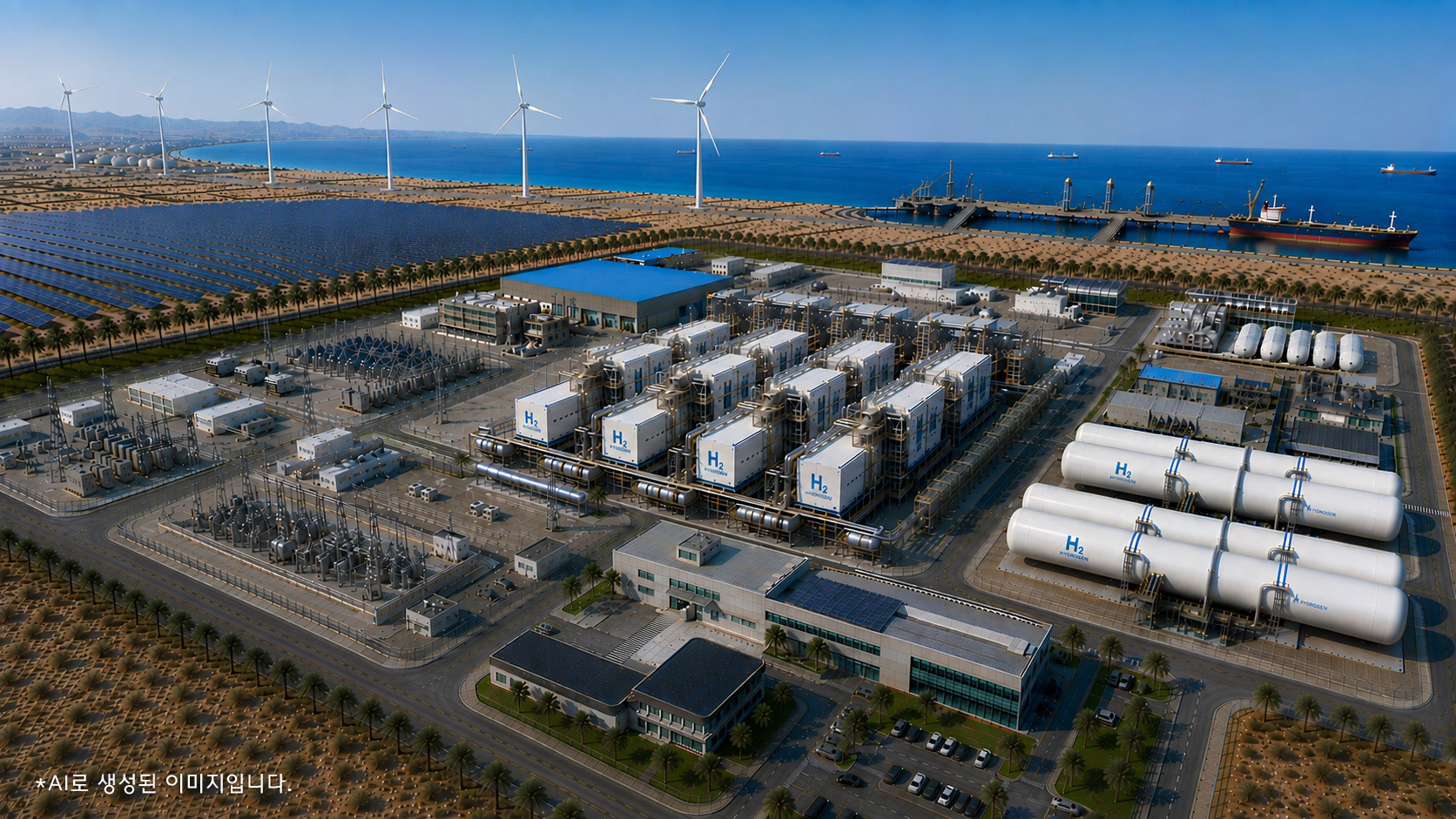
Hydrogen compression remains one of the strongest growth markets for TNO’s services. “We see a continuous interest in and demand for hydrogen compression,” said Van Lier. “That demand is not limited to standard pulsation studies. Clients are also seeking expertise regarding the interaction between electrolyzers and compressors, as well as the dynamic behavior of systems during start-up and shut-down scenarios.”
Carbon dioxide (CO₂) compression is another expanding market segment, driven by growing investment in carbon capture, transportation, and storage infrastructure.
“CO₂ compression represents an active and growing part of our portfolio,” said Van Lier. “We are seeing an increasing market share in that area as new CO₂ transportation and storage projects move forward.”
TNO is also seeing increased activity in screw compressor applications, where acoustic behavior can become significantly more complex because of higher operating frequencies.
“Demand for screw compressor pulsation studies is increasing,” said Van Lier. “The high frequencies involved often require detailed 3D acoustic simulations and, in some cases, 3D mechanical simulations as well. Comprehensive fatigue assessments may also be necessary. Our clients are paying much more attention to the piping systems associated with screw compressors than they did in the past.”
As compression technology evolves alongside the energy transition, Van Lier believes customers are increasingly seeking integrated engineering expertise that addresses entire systems rather than individual components. “Our customers’ greatest need is expert consultancy in flow and structural dynamics from an integrated, system-level perspective,” he said. “There is also a growing need for standardization in novel applications such as integrated electrolyzer-compressor systems, offshore hydrogen production facilities, and CO₂ transport and storage networks. Standardization enables more efficient and cost-effective designs.”
Looking across the broader compression market, Van Lier believes one of the industry’s most important responsibilities is to carry decades of engineering knowledge from conventional process industries forward into emerging energy systems.

“The greatest challenge is providing cost-effective design approaches for new compressor applications associated with the energy transition,” said Van Lier. “At the same time, we must ensure that the vast amount of field knowledge accumulated in the traditional process industries remains fully available and is applied to these new energy systems.”
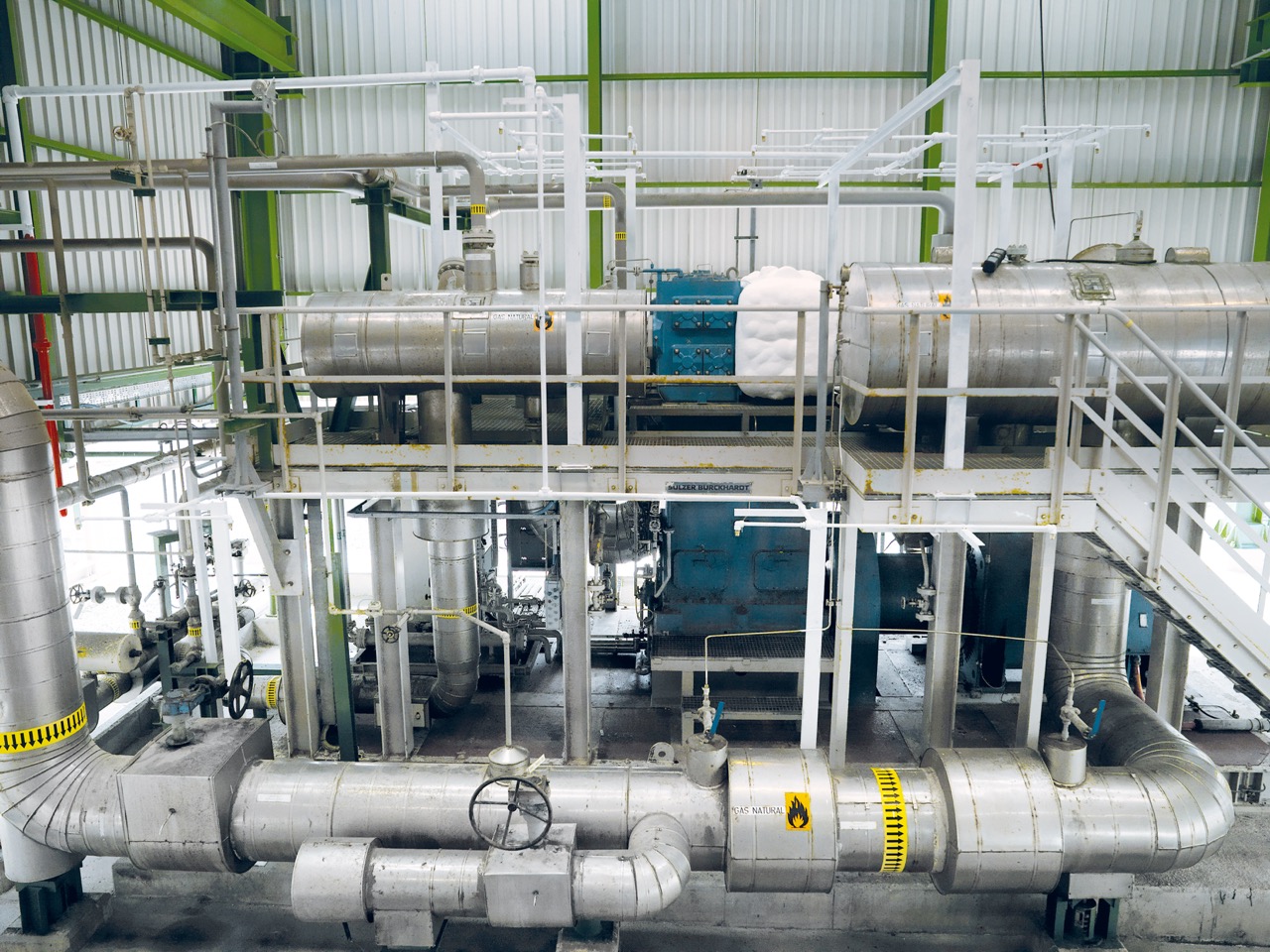
TNO’s latest projects reflect that focus. The organization recently supported the design of a green biofuel facility with a reciprocating compressor installation in an extremely constrained footprint.
“We assisted with the design of a green biofuel plant where the reciprocating compressor system had an exceptionally small footprint,” said Van Lier. “That created many structural design challenges, requiring a thorough analysis of vibrations, forces, and overall system behavior.”
Van Lier highlighted the value TNO gains from participating in the European Forum for Reciprocating Compressors (EFRC). “The EFRC enables us to collaborate with clients and peers in pre-competitive research and development projects, leveraging the knowledge and capabilities of all partners,” said Van Lier. “This helps bring innovative ideas closer to realization, which aligns perfectly with TNO’s mission.”
Van Lier also highlighted the EFRC’s standardization initiatives and educational programs as key benefits for the industry. “The standardization working group brings together end users, OEMs, and knowledge institutes to address topics that are highly relevant for reciprocating compressors as the industry moves toward a carbon-neutral future,” he said. “In addition, the training programs and student workshops provide valuable opportunities to share knowledge and experiences among the global community of engineers working with reciprocating compressors.”