Virginia Natural Gas Turns Wastewater Into RNG
Utility’s First RNG Project Expected To Produce 203,000 MMBtu Per Year
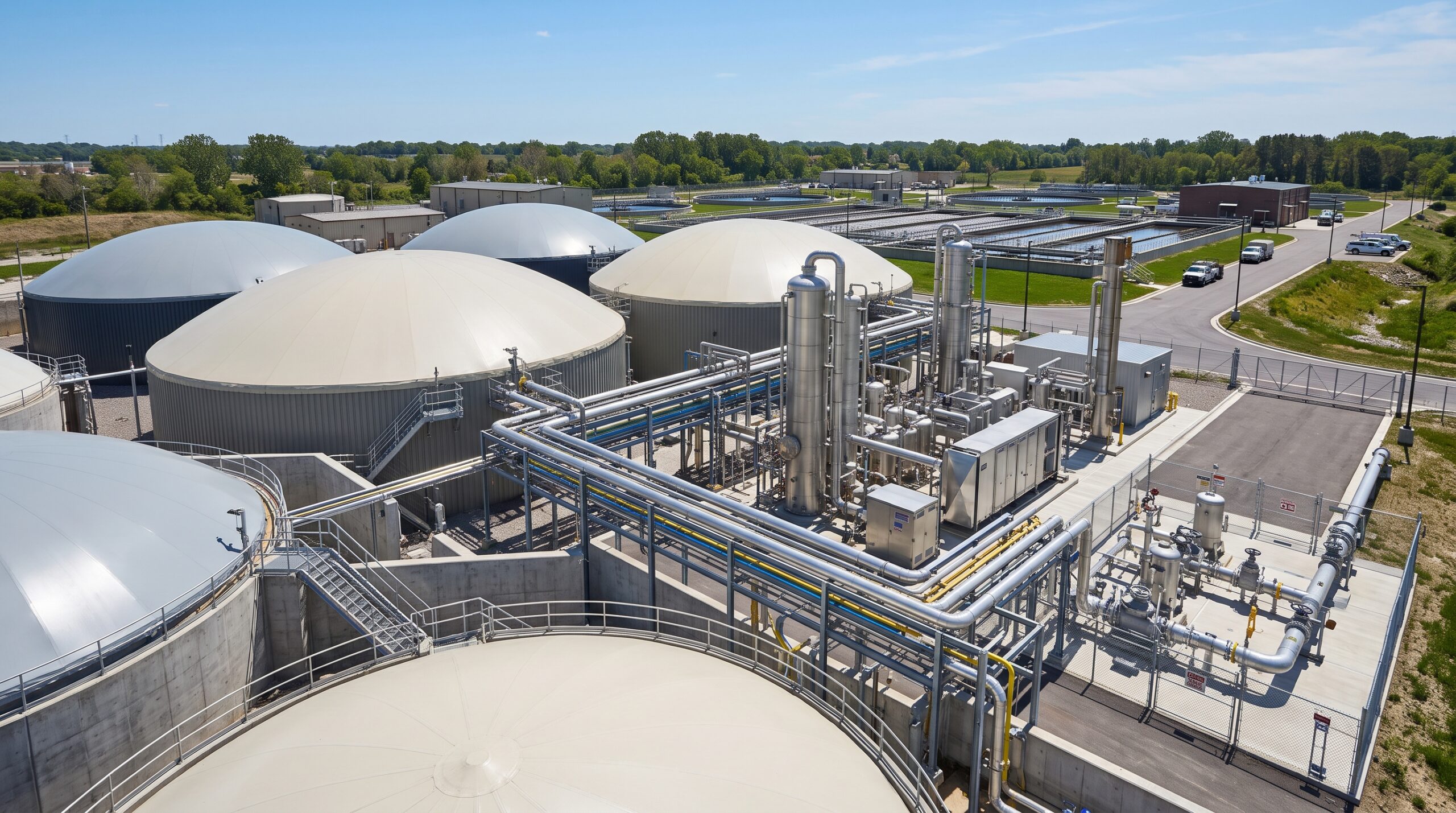
Virginia Natural Gas (VNG), a Southern Company Gas utility serving more than 310,000 customers in southeast Virginia, is partnering with the Hampton Roads Sanitation District (HRSD) on its first renewable natural gas (RNG) project. The facility will convert biogas from HRSD’s Atlantic Treatment Plant in Virginia Beach into pipeline-quality RNG.
The project is expected to produce about 203,000 MMBtu of RNG per year, giving VNG an additional supply source. VNG says that is enough to heat about 5000 homes for a year and equals the energy delivered by 108 rail cars of coal in a year.
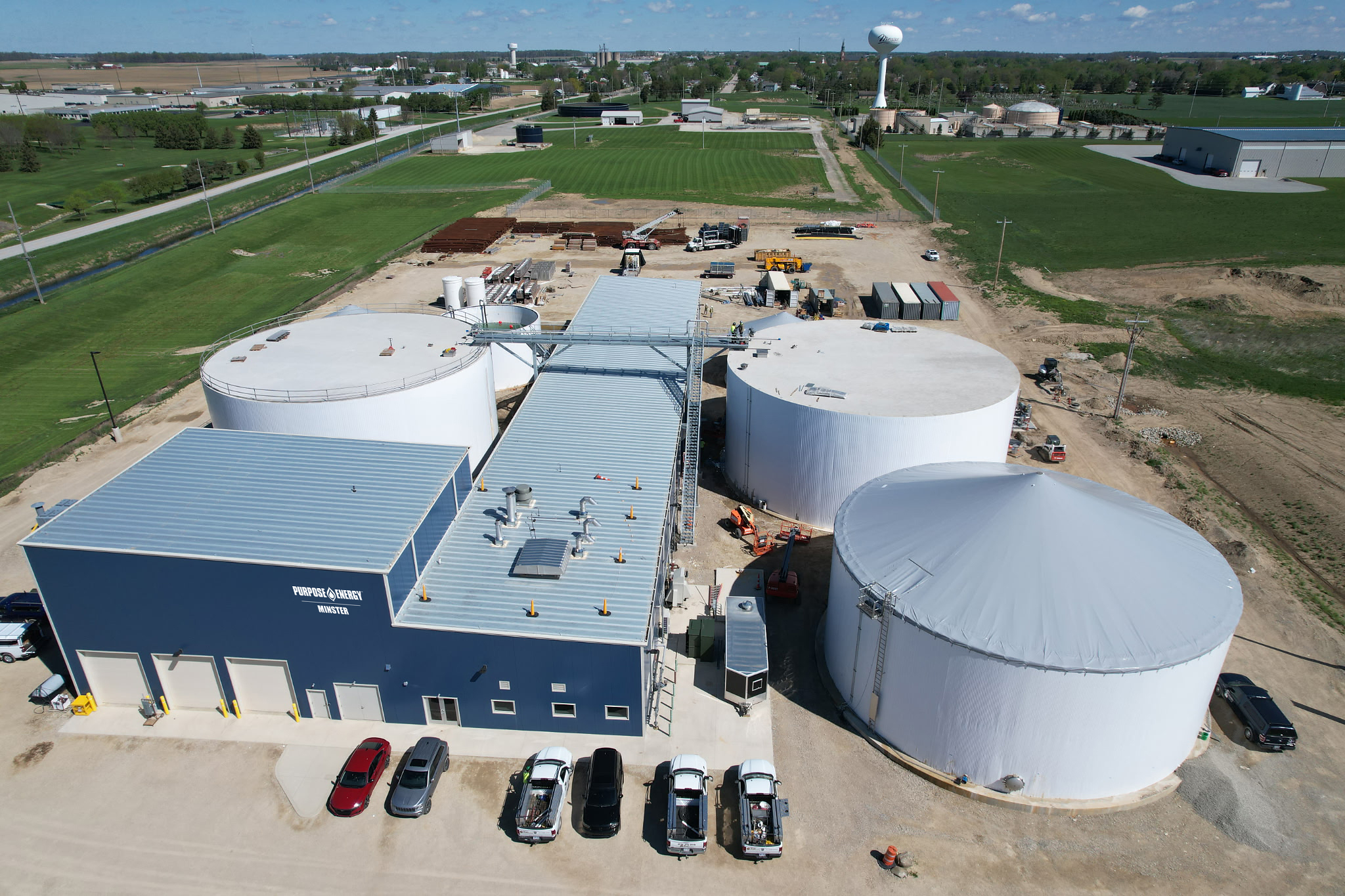
The facility will purify biogas produced in the treatment plant’s existing anaerobic digester into pipeline-quality gas that is interchangeable with conventional natural gas. Today, HRSD uses the biogas for combined heat and power or flares it on-site, and the project is expected to significantly reduce on-site flaring.
Johnson Controls Inc. will build the facility, and VNG will own all RNG production infrastructure. VNG will also build and operate the interconnect that injects the gas into its pipeline system. The project is expected to create 268 construction jobs and 18 permanent jobs, with an anticipated in-service date of early 2028.
VNG’s Sustainable Gas Program and the Virginia Energy Innovation Act made the project possible. The Virginia State Corporation Commission approved the project in February 2026, and VNG expects to sell the project’s environmental attributes, such as renewable energy credits and carbon offsets, to third-party buyers to support customer affordability.
“Meeting the growing energy demands of Hampton Roads and the Commonwealth requires proactive, innovative solutions,” said Shannon O. Pierce, president and chief executive officer of Virginia Natural Gas, when the project was approved. “Renewable natural gas partnerships like the one with HRSD are key to reducing net emissions while ensuring the region has the fuel it needs to thrive. Together we are demonstrating how collaboration and forward-thinking investments can help build a cleaner, more resilient future for everyone.”