Grid Viability Over Vanity
Arevon Answers Soaring Power Demand Without Compromising On Localized Community Integration
The United States is entering an unprecedented era of electricity demand. After 15 years of nearly flat load profiles, the US Energy Information Administration (EIA) expects domestic electricity use to grow by 1% this year and jump an additional 3% in 2027. This surge marks the first time since 2007 that power demand has risen for four consecutive years, signaling the strongest growth period since 2000.
The primary catalyst behind this inflection point is the rapid build-out of hyperscale artificial intelligence (AI) data centers. The EIA and industry analysts project that data center power consumption will nearly double by 2030, climbing from roughly 4% of total US electricity in 2023 to between 9% and 12% by the end of the decade. According to Arevon, the market is shifting under our feet at a pace that is hard to overstate. “The industrial revolution doesn’t even compare to some of the data that I’m seeing,” said Shanelle Montana, chief development officer at Arevon. “The number of megawatts we need to put onto the grid in such a short period of time is staggering.”
Utility-scale solar has emerged as the fastest-growing source of power generation. Solar power is forecast to provide the largest boost over the next two years, increasing by 21% in both 2026 and 2027 after adding almost 70 GW of new capacity. By contrast, natural gas generation is projected to remain flat this year before creeping up by 1% in 2027, while coal-fired power is expected to fall by 9% in 2026 and flatline in 2027.
Data from the EIA’s Hourly Electric Grid Monitor shows that in the first five months of 2026, utility-scale solar generation surpassed natural gas generation in the California Independent System Operator (CAISO), which manages the flow of electricity across 80% of California’s high-voltage power grid and part of Nevada. CAISO solar generation in the first five months of 2026 increased 21% compared with the same period in 2024, while natural gas generation fell 60%.
AI-driven demand is fundamentally breaking down the old paradigms of the renewable energy industry. What used to be a market propelled heavily by corporate sustainability mandates has transitioned into a landscape dictated largely by raw market forces. “We’re veering into an area where it is all driven by economics,” said Montana. “As utilities and technology firms look to secure massive blocks of power, the financial math is increasingly pointing to a specific combination of assets that is pushing companies to look at all options. However, the economics are leaning towards BESS [battery energy storage systems] and solar PV [photovoltaic].”
As the clean energy industry races to boost grid capacity, it faces ongoing challenges, including supply chain disruptions, technological barriers, and community concerns about resource depletion and the broader environmental impact of energy-intensive AI. In this hyper-accelerated marketplace, Arevon stands out from other independent power producers (IPPs) by proving that true corporate sustainability cannot exist without deep social governance and comprehensive economic and environmental consideration.
Scaling An Energy Growth Engine
Arevon has revamped its corporate structure to navigate this disjointed, fast-moving marketplace. Headquartered in Scottsdale, Arizona, with a regional office in New York City, the company has scaled the internal capabilities that come with being a full-scale owner-operator.
“Arevon is a growth engine in the renewable energy space,” said Montana. “We have a very strong operations arm, which sets us apart from other IPPs. We’re currently operating more than 6 GW of projects. That experience and knowledge is what brings us to be better developers. Over the last five years or so, we’ve had our development arm grow. We did a DSA [development services agreement] with Tenaska, which is where flagship projects like Cormorant Energy Storage, Nighthawk Energy Storage, and Big Muddy Solar came from.”
(Image Courtesy Of Arevon)
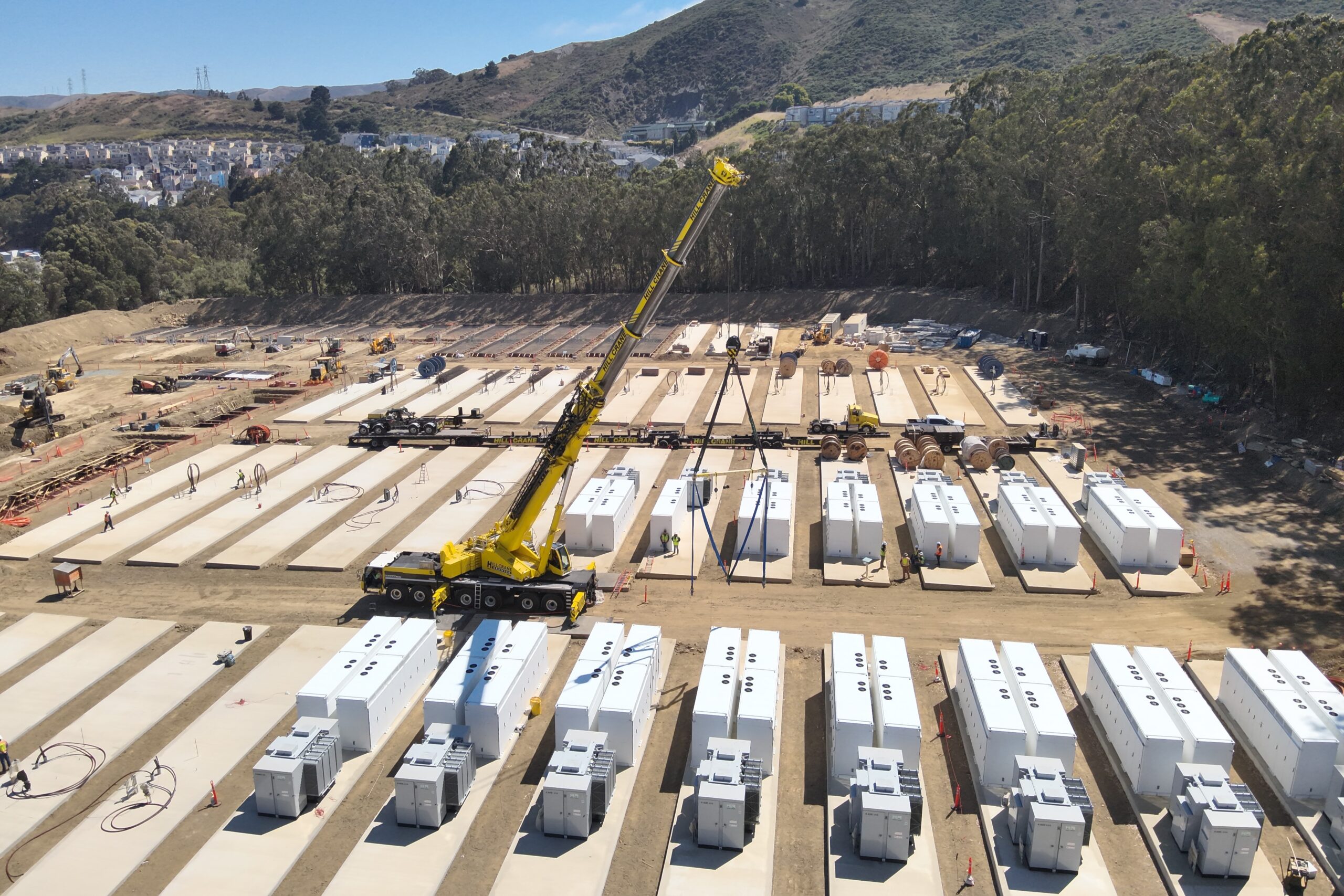
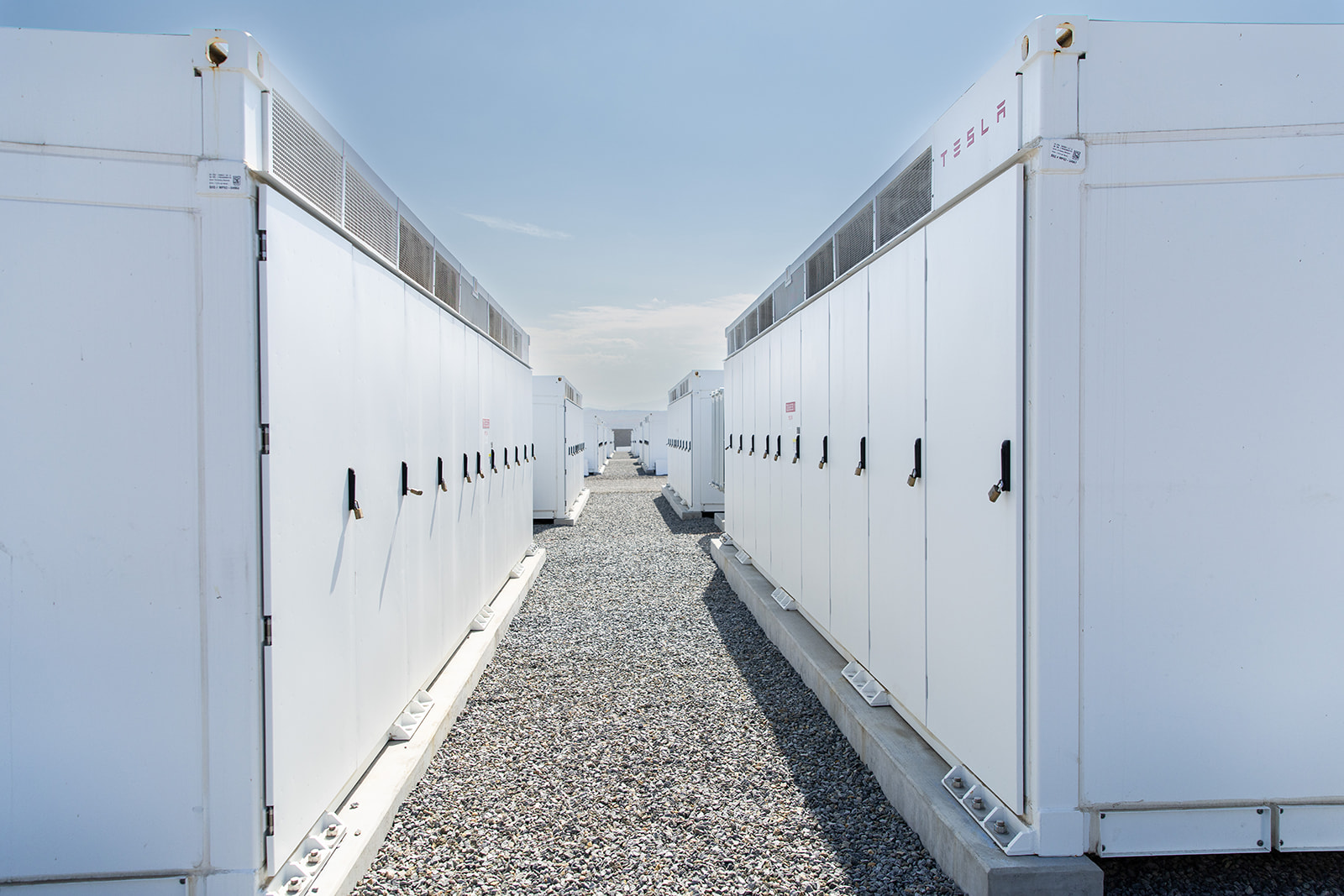
As Arevon has grown its operational portfolio, its projects have structurally increased in size and scale, shifting from standalone, single-site installations to co-located, interconnected regional complexes. This year, Arevon has announced several major developments for its California utility-scale battery storage portfolio. In August, Arevon’s Nighthawk Energy Storage Project in Poway, California became operational and is currently the company’s largest standalone battery project, powering up to 385,000 homes during peak demand.
COD for the Nighthawk facility came with an August 11 ribbon-cutting ceremony attended by Arevon executives alongside San Diego County and state officials. It features a discharge rate of 300 MW and 1200 MWh of total capacity. Capacity at four times the discharge rate is common in markets like California because four-hour batteries are specifically engineered to bridge the critical evening ramp-up period from 4:00 PM to 8:00 PM. This is the exact window when regional solar production drops off just as residential air conditioning and home energy use spike.
“Energy storage is becoming increasingly important as electricity demand continues to rise across California and the United States,” said Justin Johnson, chief executive officer of Arevon.
“This project strengthens our infrastructure, boosts our local economy, supports grid reliability, and provides enough capacity to power up to 385,000 homes when we need it most,” said Joel Anderson, San Diego County District 2 Supervisor.
Regulators and business leaders echoed that assessment. “Nighthawk is an important example of that planning becoming reality, helping strengthen grid reliability, support California’s clean energy transition, and ensure customers continue to receive safe, affordable, and dependable electric service,” said Leuwam Tesfai, executive director of the California Public Utilities Commission (CPUC).
“Projects like Nighthawk help San Diego stay ahead of rising energy demand while strengthening the grid resilience that attracts employers, supports innovation, and keeps our region competitive,” said Chris Cate, president and CEO of the San Diego Regional Chamber of Commerce.
Arevon also celebrated construction progress at its US$600 million Cormorant Energy Storage Project located in Daly City, California. The facility is expected to begin operations in 2027. Cormorant will enhance grid reliability in California and will be capable of powering 321,000 homes for up to four hours during periods of peak electricity demand. Originally planned at 188 MW/752 MWh, the project has been expanded to a 250 MW discharge rate with 1000 MWh of total capacity.
“The start of construction marks an important milestone for the Cormorant project and the Daly City community,” said Johnson. “Projects like Cormorant are critical to strengthening California’s energy grid by storing power when it’s abundant and delivering it when it’s needed most. Arevon is proud to continue investing in infrastructure that supports reliability, affordability, and California’s long-term clean energy goals.”
Together, these facilities represent 550 MW/2.2 GWh of energy storage capacity for the California grid. The US$920 million Nighthawk financing package, announced March 11, 2026, is structured as a US$482 million debt facility arranged by CIBC as Left Lead Arranger, with participation from ING Capital LLC, NORD/LB, Santander, and Zions Bancorporation; a US$169 million preferred equity investment through Goldman Sachs Alternatives to facilitate the monetization of tax credits; and a US$268 million tax credit transfer commitment negotiated with a corporate purchaser. Cormorant’s US$600 million project cost, announced separately on March 24, 2026, was not disclosed with a comparable debt-and-equity breakdown.
“Strategically aligning debt, preferred equity, and transferability structures is essential to financing energy storage projects at this scale and profile,” said Denise Tait, chief investment officer of Arevon. “This transaction demonstrates how innovative capital solutions can unlock long-term investment in critical grid infrastructure, even amid evolving market and policy conditions. It reflects the strength of our financial partnerships and Arevon’s commitment to delivering durable, long-term value.”
Over the sites’ respective lifespans, Cormorant is expected to generate more than US$73 million in property tax revenue, while Nighthawk is projected to deliver more than US$30 million. These funds support local schools, infrastructure, and public services.
Structural Grid Stability
Arevon’s build-out of its internal development and focus on greenfielding its own projects from the ground up have enabled it to add 3.6 GW to its pipeline last year alone. With an overall portfolio of 8 GW now in active development nationwide, and plans to add another 3 to 4 GW of greenfield capacity this year, Arevon is focused entirely on project viability over vanity. “When we look at our development pipeline, we aren’t trying to have the biggest volume,” said Montana. “Rather, we want to be the most efficient. We hear a lot of massive pipeline numbers in this industry, but that isn’t us. We want a reliable, competitive pipeline that we know can move forward, which requires appropriate staffing for development and community outreach. . However, the industry faces real challenges. Even with surging demand, we are navigating regulatory and political uncertainty regarding everything from permitting to tariffs. At the same time, ISOs [independent system operators] are being flooded with an unprecedented wave of both interconnection applications and raw market requests for generation.”
(Image Courtesy Of Arevon)
As utility-scale solar becomes the cheapest form of power generation across multiple regional transmission organizations (RTOs), the broader conversation has shifted toward structural grid stability. Yet, a persistent gap remains between how the industry views large-scale BESS compared to residential customers.
“A large-scale battery traditionally isn’t used in the same way as a natural gas plant or as a solar field,” said Montana. “An example I like to use is a plumbing system. If everyone gets home from work and turns on their faucet and drains the water out, we need to make sure that we’re replenishing the water on the other side of that plumbing system. The grid’s the same way. We need to be ready for when everyone is turning their lights on and running their AC.”
The intricate structural inner workings of an ISO or balancing authority are irrelevant for a typical consumer. What matters is that utility bills stay manageable. That is exactly where storage steps in. “Energy storage is meant to reduce overall costs by shaving the peaks,” said Montana. “It’s very effective at peak shaving. I think of batteries as a way for everybody’s rates to decrease and for using energy efficiently.”
Nowhere is the immediate need for peak-shaving technology more apparent than in California, an environment characterized by extreme swings of daily energy demand. If the state were to fall behind on storage installation, the economic pain would land squarely on local communities, hitting small businesses with energy hikes and straining working families.
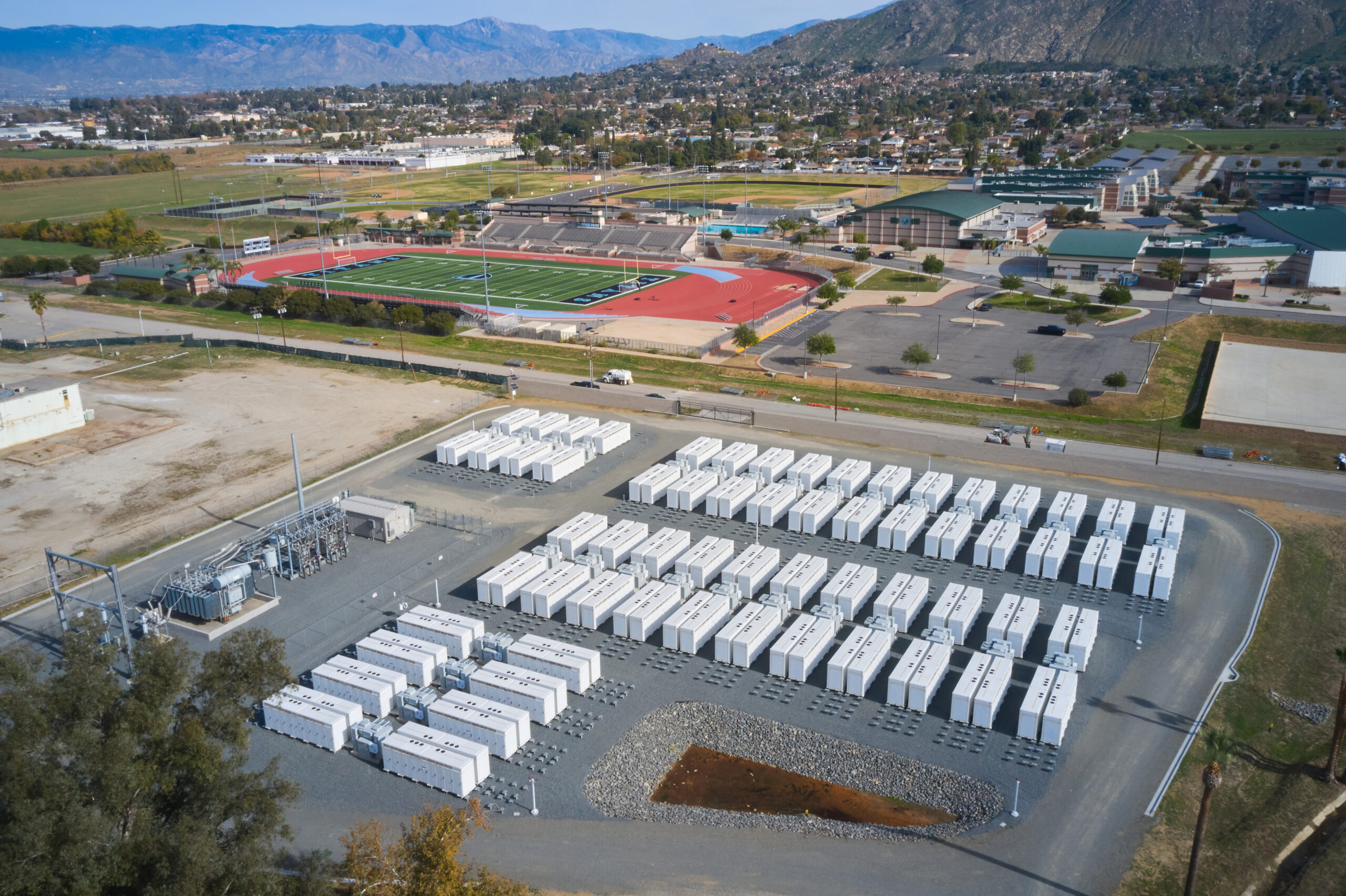
To counter the volatility, Arevon has built an urban battery storage portfolio anchored by the Peregrine Energy Storage and Nighthawk projects outside San Diego and the Cormorant project in the Bay Area. Because these assets are deployed directly within urban density centers, they are positioned in the areas where grid congestion and energy needs are most acute.
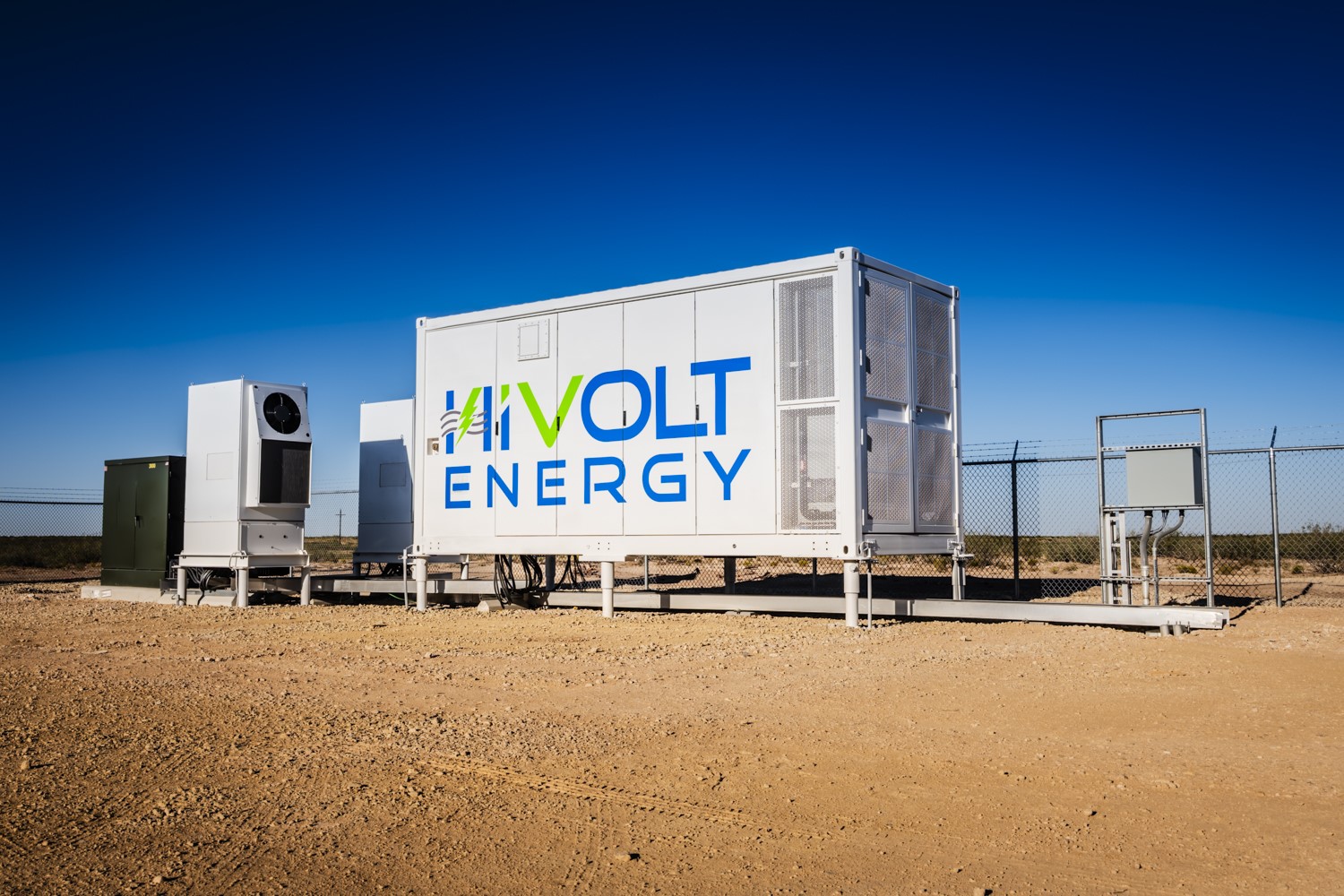
These large-scale projects use Lithium Iron Phosphate (LFP) technology, commonly sourced from advanced battery providers like Tesla. The LFP abbreviation is based on the core chemical makeup of Lithium (Li), Iron (Fe), and Phosphorus (P). “The lithium-iron technology that we’re seeing implemented at Cormorant, Peregrine, and Nighthawk is a safer technology,” said Montana. “Safety is our number one priority when we are developing, constructing, and operating our projects.”
The choice to deploy LFP chemistry reflects a broader industry shift toward more durable, fire-resistant performance. Compared to many alternative lithium-ion chemistries, LFP is less susceptible to thermal events and has become a preferred choice for utility-scale energy storage applications. Most of Arevon’s energy storage systems use LFP Megapack batteries, which are widely recognized across the industry for their stability and safety performance. Since their commercial introduction in North America, no fire incidents involving LFP Megapacks have been reported. This safety record stems from the battery’s inherent chemistry, which is engineered to remain stable and avoid thermal runaway even under high temperatures and extreme operating conditions. Unlike older lithium-ion configurations or traditional power options, LFP systems carry no risk of battery chemical or acid leakage associated with legacy lead-acid batteries and produce zero local air emissions. Beyond localized safety, transitioning to LFP addresses some of the renewable energy industry’s most pressing macroeconomic and ethical supply chain pressures.
LFP batteries contain no cobalt or nickel. By eliminating these minerals, Arevon completely avoids the humanitarian and ethical concerns associated with cobalt mining in regions like the Democratic Republic of Congo. LFP relies on elements that are abundant and widely distributed globally. This diversification supports a more responsible, stable supply chain that shields projects from geopolitical volatility while keeping capital costs down. These energy storage systems are engineered to withstand some of the harshest conditions on Earth. This climate adaptability makes them uniquely suited for the highly varied regional climates across the US, proving resilient against high heat, deep freezes, severe earthquakes, and even Category 5 hurricanes.
The project site design also focuses on reusing brownfield and commercial land. For example, Cormorant uses strategic mixed-use, undeveloped land to create a critical buffer between the facility and the surrounding growth corridor. Meanwhile, Peregrine and Nighthawk were built on parcels already designated for industrial operations, providing effective reuse of industrial property while directly contributing to the health and success of surrounding regional industries.

(Image Courtesy Of Arevon)
Long-Term Ownership Mindset
Whether building battery energy storage projects in urban California or developing solar facilities in the Midwest, Arevon operates under a firm development directive that its projects are to be built through the lens of long-term ownership. “A to Z, how we’re developing projects is based off of the fact that we are expecting to be the long-term owner and operator and active participant in that community,” said Montana. “My goal with every project is to have the community invite us back to do another one.”
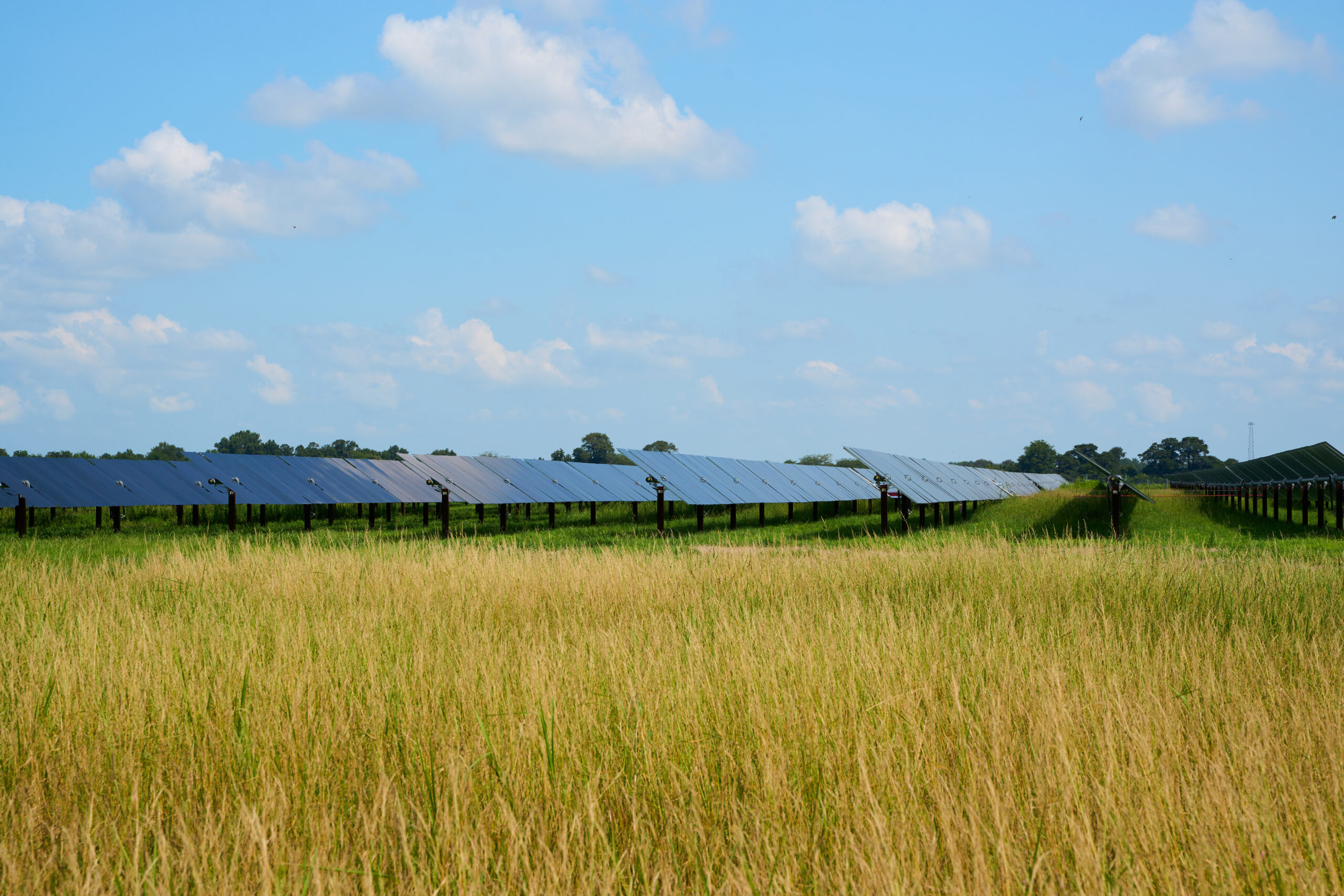
This focus can be seen through Arevon’s Land Stewardship Program, an institutional framework backed by more than eight years of solar grazing experience across more than 20 projects. The program demonstrates that utility-scale infrastructure can enhance rather than displace working lands or local ecosystems. Across 10 states, Arevon has scaled this initiative to monitor over 22 projects, successfully blending climate, biodiversity, and community benefits.
(Image Courtesy Of Arevon)
This program tackles land management through specific, technical ecological practices such as agrivoltaics and solar grazing. By partnering with local facilitators, farmers, and grazers to manage site vegetation with sheep, Arevon supports agricultural livelihoods while reducing reliance on mechanical mowing. The initiative spans 11 targeted sites, including four operating assets and seven currently in the development pipeline, breathing new economic life into the American sheep industry. Currently, 14 operational projects feature active conservation planning, native seeding, rigorous soil monitoring, and dedicated wildlife corridors designed to maintain ecological integrity over multi-decade project lifecycles. At flagship installations like the California Flats Solar-plus-Storage Project, these site-specific frameworks go beyond basic vegetation management. The site integrates sheep grazing and native vegetation restoration with wildlife-friendly infrastructure tailored to protect sensitive local species, including raptors and the San Joaquin kit fox, successfully returning previously cultivated land to a balanced, climate-resilient state.
Growing up on a sheep farm in rural Minnesota, Montana is familiar with how to apply agrivoltaics in a way that aligns with the project’s strengths. “Agrivoltaics don’t work with every project in the same way,” said Montana. “There isn’t a single, one-size-fits-all model. It requires looking at each site and recognizing that while sheep might not be appropriate here, pollinators are—or perhaps native grasses are. We are doing a lot of research into dual-use agriculture, even exploring if we can plant nut or fruit trees around a project to ensure our vegetation screening fits the local aesthetic.”
Arevon’s Midwest Project Boom
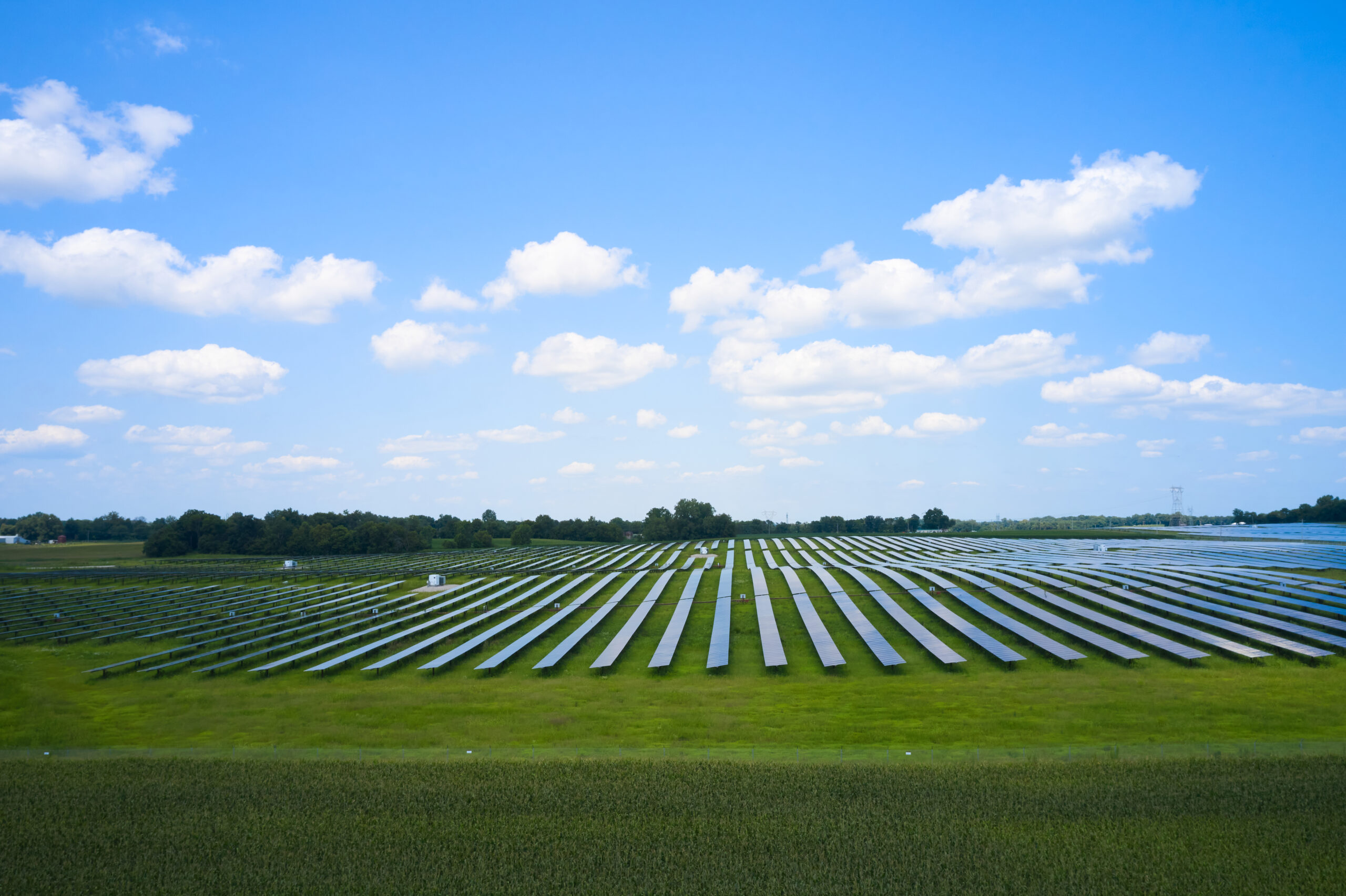
Arevon’s rapid project development engine allows it to push greenfield concepts through financing, construction, and final grid synchronization. A prime example of this operational velocity is the Ratts 1 Solar Project in Pike County, Indiana, a critical milestone and one of Arevon’s most anticipated utility-scale installations. The project began operations in October 2025. Together, Ratts 1 and the neighboring Heirloom Solar Project have a combined capacity of 264 MWdc, and the pair was named the 2025 Proximo North America Solar Deal of the Year.
Ratts 1 stands out, as the 191 MW project represents a direct capital investment of more than US$200 million and generates enough electricity to meet the average annual consumption of approximately 28,000 Indiana households. According to an independent study by Indiana University’s O’Neill School of Public and Environmental Affairs, the project contributed US$19.3 million to Pike County’s gross domestic product (GDP) during construction and mobilized a peak workforce of 350 personnel (equivalent to 188 full-time annualized jobs). Over its 35-year operational lifecycle, the project is projected to add US$800,000 annually to the local GDP and generate more than US$350,000 per year in localized expenditures on goods and services, while maintaining a permanent on-site operations and maintenance staff.

(Image Courtesy Of Arevon)
To secure local regulatory approval in a jurisdiction with no pre-existing utility-scale zoning requirements, Arevon negotiated a series of self-imposed infrastructure parameters with Pike County officials. These specifications include residential property setbacks, maximum equipment height limits, and a seven-foot cap on safety fencing to manage the facility’s visual profile. The developer also executed a binding road-maintenance agreement covering construction traffic damage and fully funded a decommissioning plan to guarantee soil remediation at the end of the project’s lifecycle. Financially, the long-term land leases provide participating agricultural landowners with fixed revenue to offset commodity market volatility. Mechanically, the site’s vegetation plan incorporates native pollinator seeding beneath the solar tracking arrays, establishing biological corridors designed to support crop pollination and soybean yields on adjacent, active farming parcels.
Aside from Ratts 1 and Heirloom Solar in Pike County, Arevon developed the 251 MWdc Gibson Solar Project in Gibson County and the 228 MWdc Posey Solar Project in Posey County in Southern Indiana. By taking the time to match technical development with the exact environmental and economic needs of the local county, the benefits flow directly into the community. “We’ve not just been invited back — we have cultivated community that is realizing the benefits of tax dollars in schools and additional funds for infrastructure development in Pike County. We have farmers who have sustainable income now in a time where fertilizer costs are going through the roof,” said Montana.
This long-term, community-first mindset is the blueprint behind one of Arevon’s latest regional developments in Southern Indiana. The Blue Jeans Energy Project in Knox County is currently under development and serves as a prime example of balancing economic, technical, regulatory, and community goals. With an anticipated capacity of 157 MWdc of solar and 150 MW of energy storage, the utility-scale installation will generate enough homegrown solar energy to power approximately 21,000 Indiana homes each year. Its battery storage capacity can power more than 108,000 homes during peak demand periods. The system will feed power directly into the region via the Hoosier Energy Rural Electric Switchyard located in neighboring Pike County.
(Image Courtesy Of Arevon)
By leasing land from local stakeholders, the 35-year project will give landowners a reliable way to diversify their revenue base. The contract preserves the land’s long-term integrity, ensuring it can return seamlessly to full agricultural use at the end of its operational life. In addition, the project injects predictable property tax revenue into Knox County to support schools, public safety, and community needs, with little to no structural impact on local public safety, sanitation, or school services.
Arevon’s Midwest growth extends beyond Indiana. The company recently began operations at its 430 MWdc Kelso Solar Project in Missouri, and it is nearing completion of its first utility-scale energy project in Illinois, the 124 MWdc Big Muddy Solar Project in Jackson County. Construction began in 2025, and the project is slated to reach commercial operations by the end of 2026. More than 250 workers built the facility, which is expected to generate enough electricity to power more than 24,000 Illinois homes annually and deliver more than US$12.6 million in property tax payments over its operating life to help fund schools, roads, and other local initiatives.
On October 28, 2026, Arevon closed a US$120 million tax equity commitment from Wells Fargo Bank, NA for Big Muddy Solar. The commitment follows a US$183 million debt package Arevon announced in February 2026 and allows the company to monetize the project’s tax attributes, including depreciation and investment tax credits. Arevon is also developing the 275 MWdc Panther Energy Project in Illinois and has secured three 20-year renewable energy credit contracts for it.

(Image Courtesy Of Arevon)
Navigating Bottlenecks
Even with insatiable electricity demand, executing multi-GW buildouts over the next five years will challenge developers like Arevon. Developers are constantly balancing capital allocation against political and regulatory shifts, from permitting hurdles to tariff policy. Meanwhile, regional grid operators are treading water amid the sheer volume of new interconnection requests.
“Political and regulatory uncertainty is fundamentally shifting market dynamics, particularly for grid operators and balancing authorities trying to manage the simultaneous surge in electricity users and new power generation,” said Montana. “ISOs are facing an unprecedented backlog of interconnection applications, leading to lengthy, highly expensive transmission queues that can take years to clear. Many grid operators are struggling to accurately model these evolving dynamics or determine the true cost of upgrading grid infrastructure. Is it really $200 million? I’m guessing not, but that’s what the studies are showing. Developers are forced to make high-stakes investment decisions based on figures that may not even reflect actual, final costs. This grid jam remains a primary concern when evaluating the viability of any new project.”
Montana goes on to explain that “at the same time, verifying the exact scale of incoming large load demand remains a distinct industry challenge. While the volume of newly announced facilities is significant, the actual progression and attrition rates of these project pipelines remain highly uncertain.”
Industry analysts and researchers are still trying to determine how much of this projected load will successfully materialize versus how many projects will ultimately drop out of development. Despite relentless demand, the exact size and timing of this infrastructure boom remain a moving target for energy developers and market firms alike.
The future grid will not rely on a single silver-bullet technology; instead, it will demand unprecedented resource diversity, with solar’s growth rate outpacing the field. “The ultimate speed of bringing essential energy on the grid will depend on how quickly we can scale these technologies, gather components, and advance toward construction,” said Montana.