The Blueprint For A Thriving Hydrogen Economy
Sinopec Hits New Milestone For Long-Distance, Cross-Regional Hydrogen Logistics
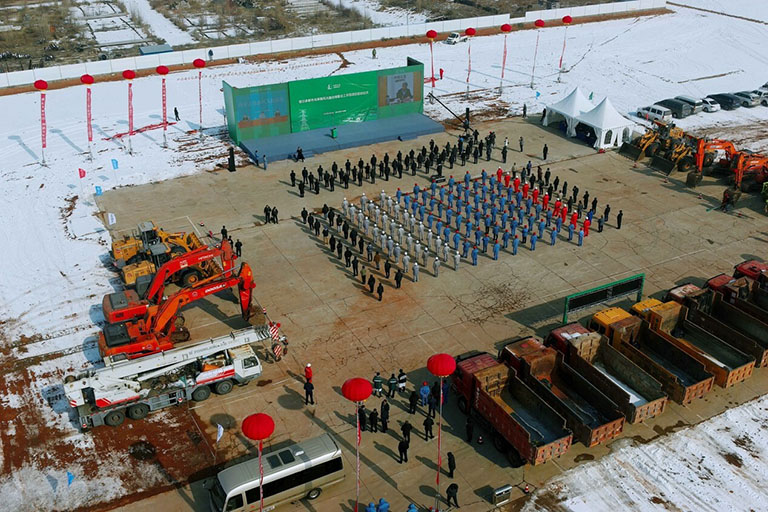
(Image Courtesy Of Sinopec)
China Petroleum & Chemical Corp. (Sinopec) announced a new milestone in hydrogen mobility. Three hydrogen-powered logistics vehicles of different models successfully completed a 932-mile (1500-km) journey from the Qingwei Integrated Energy Station in Qingpu District, Shanghai. The route followed the Yangtze River through five provinces and municipalities (Shanghai, Jiangsu, Anhui, Jiangxi, and Hubei) before the vehicles arrived at the Zhijiang Service Area South Station in Yichang, Hubei, refueling at six Sinopec hydrogen stations along the way.
The journey follows earlier long-distance, cross-regional hydrogen logistics tests along two hydrogen corridors, the Beijing-Shanghai Corridor and the Western Land-Sea Corridor, built on Sinopec’s extensive energy station network. To date, Sinopec has launched five intercity hydrogen corridors: Beijing-Tianjin, Chengdu-Chongqing, Shanghai-Jiaxing-Ningbo, Jinan-Qingdao, and Wuhan-Yichang.
To further integrate hydrogen mobility across eastern and western regions, Sinopec has connected the Shanghai-Jiaxing-Ningbo and Wuhan-Yichang intercity corridors through the Yangtze River hydrogen corridor. The company also plans to extend the network to the Chengdu-Chongqing corridor, fully establishing the Yangtze River hydrogen axis and enabling more hydrogen-powered vehicles to travel on highways.
The World’s Largest Hydrogen Station Operator
Sinopec now has an annual hydrogen production capacity of 4.45 million tons (4.04 million tonnes). The company also operates the nation’s first industrial-scale seawater-to-hydrogen project at Qingdao Refinery, along with a 100-kW solid oxide electrolysis cell pilot project at the Zhongyuan Oilfield.
In 2023, Sinopec launched China’s first integrated methanol-to-hydrogen and hydrogen refueling station in Dalian. This facility produces 2205 pounds (1000 kg) per day of hydrogen with 20% lower costs than conventional stations, thanks to on-site methanol reforming and compact compressor systems.
The 30,000-ton- (27,216-tonne-) per-year Ordos integrated wind-solar hydrogen project in Inner Mongolia supplies hydrogen for coal chemical decarbonization. Meanwhile, the 100,000-ton- (90,719-tonne-) per-year Ulanqab integrated wind-solar hydrogen project will deliver China’s first large-scale, cross-provincial, long-distance pure hydrogen pipeline.
In hydrogen mobility, Sinopec now operates 146 hydrogen stations and 11 supply centers. These cover all “3+2” hydrogen fuel cell pilot city clusters, making Sinopec the world’s largest hydrogen station operator. The 3+2 framework is part of China’s national hydrogen strategy to build hydrogen infrastructure in three major urban clusters and two additional city clusters. In total, these regions include Beijing-Tianjin-Hebei, the Yangtze River Delta, Guangdong, Chengdu-Chongqing, and Zhangjiakou.
Looking ahead, Sinopec will align with the state-owned Assets Supervision and Administration Commission through its Hydrogen Highway initiative. The company will leverage its national hydrogen corridors to build refueling networks along highways, activate the hydrogen economy, and pioneer sustainable business models to drive growth.
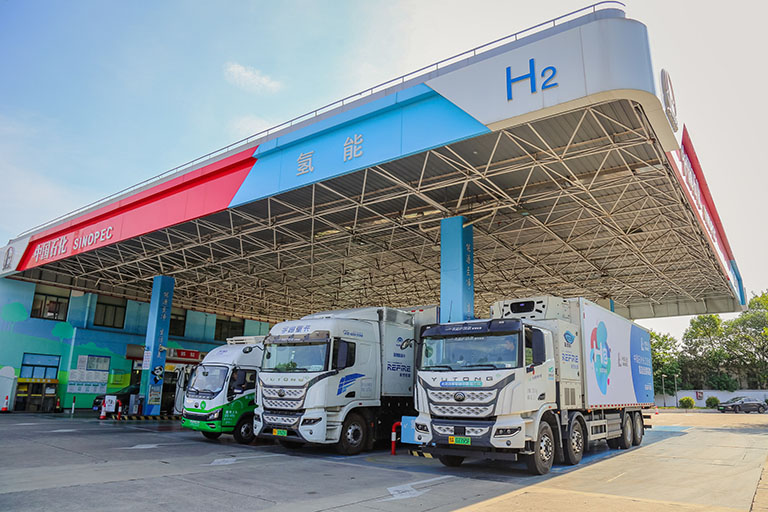
(Image Courtesy Of Sinopec)
Hydrogen Gas Compression Infrastructure
The hydrogen corridor enables long-distance logistics with hydrogen-powered truck integration by incorporating production, storage, compression, transport, and refueling into a single supply chain.
Each Sinopec hydrogen station uses high-pressure compressors that can fill up hydrogen in under 10 minutes for more than 311 miles (500 km) of range for fuel cell electric vehicles. Hydrogen is often produced at 290 to 435 psi (20 to 30 bar), transported via pipelines at 435 psi to 1450 psi (100 bar), and then compressed to 5076 psi (350 bar) for buses and trucks and 10,153 psi (700 bar) for passenger cars. Sinopec’s hydrogen corridor contains a dense network of compressor stations that are instrumental in taking hydrogen from low-pressure production to ultra-high-pressure storage cylinders.
Longer term, Sinopec plans to build more than 1000 hydrogen refueling stations and expand capacity to 132,277 tons (120,000 tonnes) per year during China’s 14th Five-Year Plan period. This period includes long-term objectives through 2035 centered around investments in science, technology, advanced manufacturing, renewable energy, carbon reduction, and environmental protection. The idea is to shift China’s economy toward internal demand rather than export dependence by strengthening supply chains and reducing reliance on foreign technology. China plans to pass along the benefits to its citizens by expanding health care, pensions, and social safety nets.
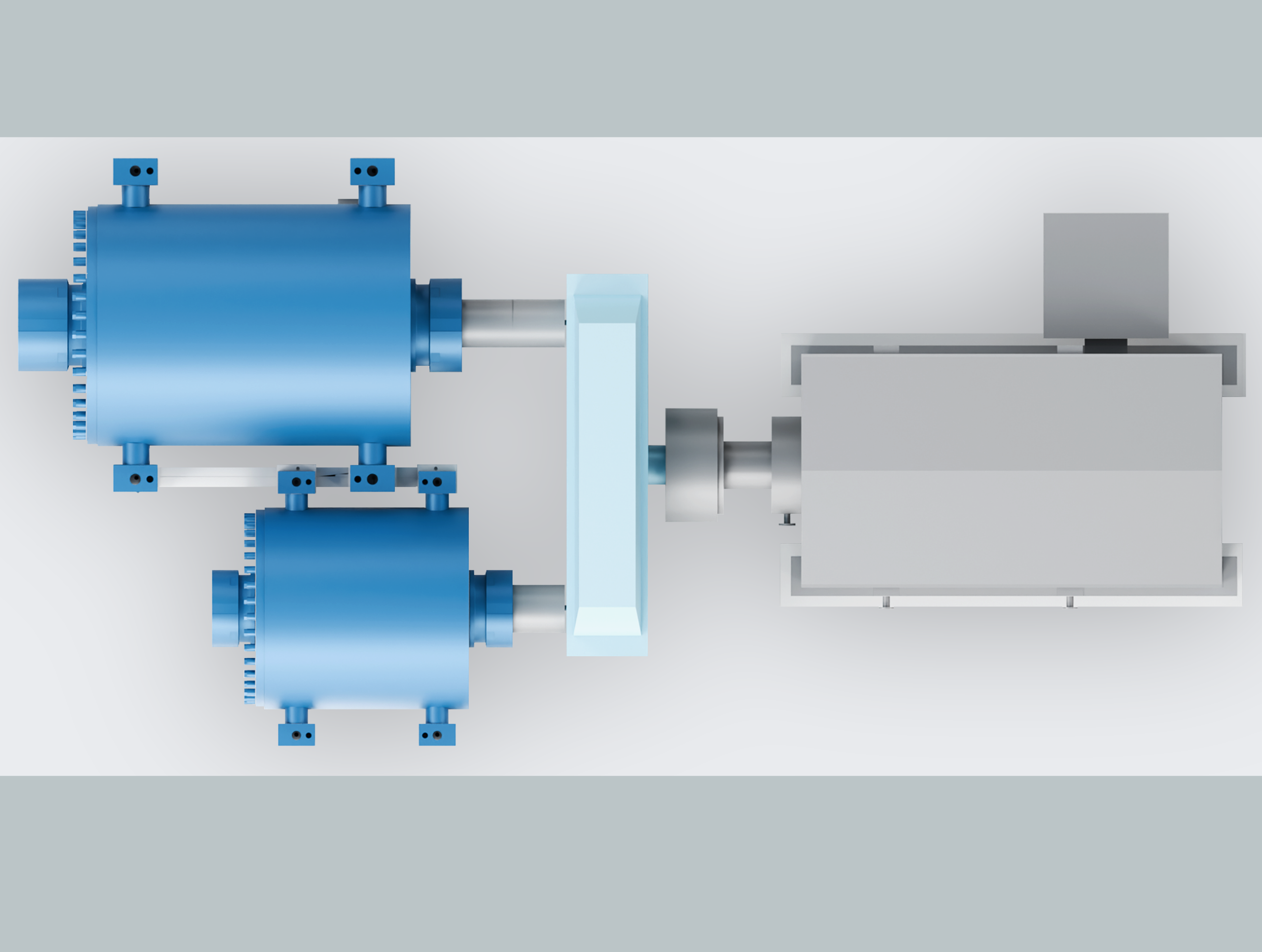
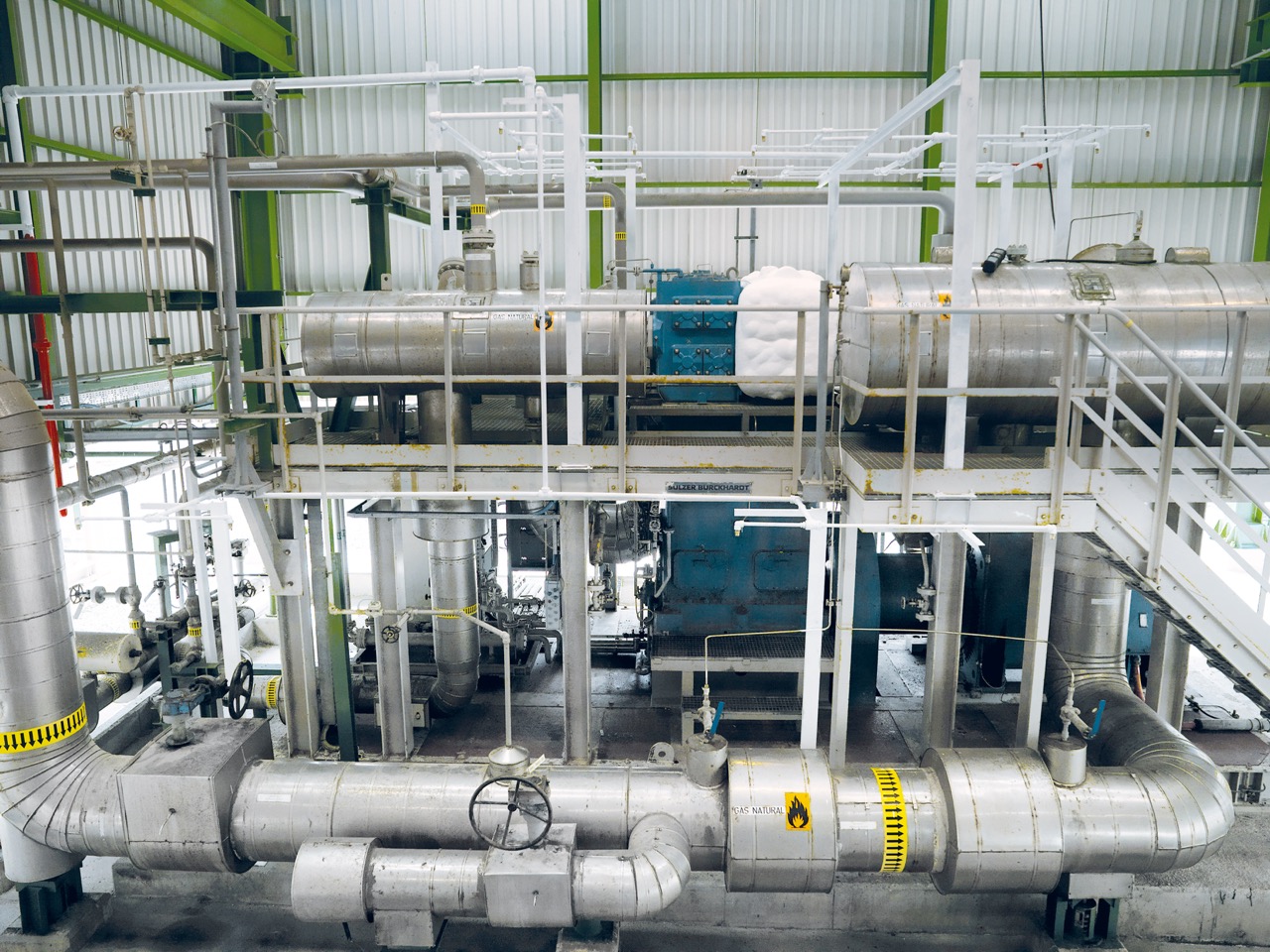
Sinopec’s hydrogen compressor stations rely heavily on diaphragm compressors for purity and high pressure and oil-free piston compressors for bulk throughput. Over time, electrochemical compressors may enter the mix as costs fall and reliability improves. Diaphragm compressors provide oil-free, ultra-pure hydrogen, which is needed for fuel cells. They can achieve pressures as high as 14,504 psi (1000 bar). A flexible metal diaphragm separates the hydrogen from the mechanical drive. The diaphragm flexes back and forth, compressing the gas without direct contact with lubricants, which is ideal for small to medium flow rates. However, these compressors come with higher capital cost and more complex maintenance compared to reciprocating compressors. Reciprocating compressors are better for handling large flow rates for industrial-scale hydrogen transport and storage. Traditional lubricated pistons can contaminate hydrogen with oil, which is why oil-free piston compressors are required for refueling stations.
The Hydrogen Architect
Sinopec’s hydrogen plans through 2035 are arguably the most ambitious of any company in the world. With the Chinese government fully onboard the hydrogen train, there’s no reason to believe these goals won’t be achieved. However, they come at a high cost. Sinopec’s capital expenditures are expected to surge in the coming years.
Sinopec is betting big on the energy transition by pulling back on oil investments, because it prefers natural gas as a bridge fuel toward clean energy. Outside of hydrogen, Sinopec is investing heavily in liquefied natural gas, electric vehicles, and its chemical business. If all goes according to plan, China will become the blueprint for an integrated hydrogen economy.