Arevon Energy Scales California Battery Storage Portfolio With Major Financing, Construction Milestones
Nighthawk And Cormorant Projects To Add 2.2 GWh Of Storage Via Long-Term Agreements With PG&E, MCE
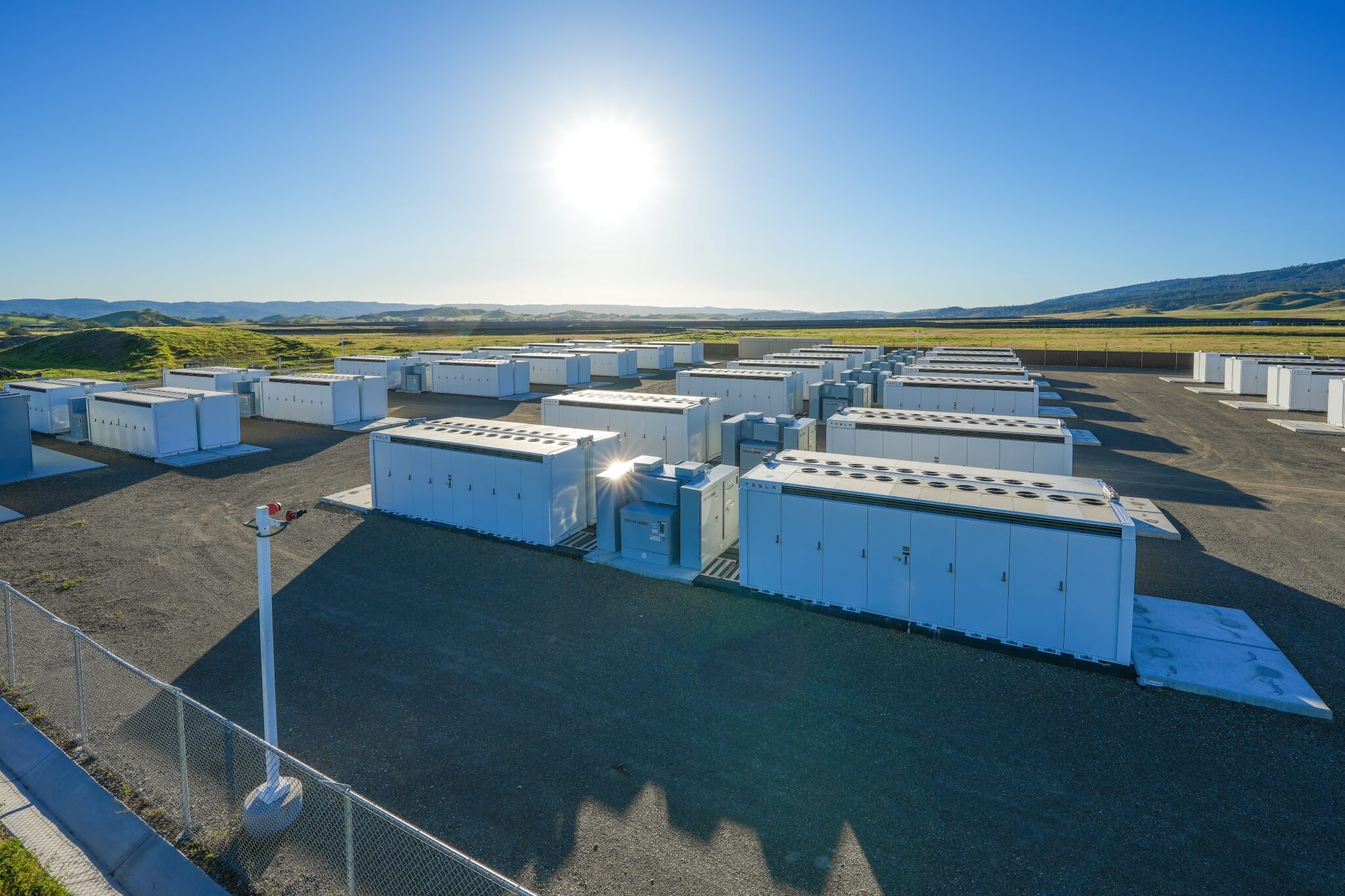
Arevon Energy, Inc. (Arevon) announced two major developments in its California utility-scale battery storage portfolio — the closing of a US$920 million financing package for the Nighthawk Energy Storage Project (Nighthawk) and the start of construction on the Cormorant Energy Storage Project (Cormorant).
Located in Poway, California, the Nighthawk facility is a standalone battery system currently under construction. It features a discharge rate of 300 MW and 1200 MWh of total capacity, meaning it can power homes for up to four hours.
In Daly City, California, Arevon has commenced construction on the US$600 million Cormorant Energy Storage Project. Originally planned at 188 MW/752 MWh, the project has been expanded to a 250 MW discharge rate with 1000 MWh of total capacity, which is also designed to power homes for up to four hours.
In California, four-hour batteries are the industry standard because they are specifically designed to cover the evening ramp up period from 4:00 PM to 8:00 PM when solar production drops off but air conditioning and home energy use spike.
Together, these facilities represent 550 MW/2.2 GWh of energy storage capacity scheduled to join the California grid by 2027.

Nighthawk
The financing structure includes a US$482 million debt facility arranged by CIBC as Left Lead Arranger, with participation from ING Capital LLC, NORD/LB, Santander, and Zions Bancorporation. It also includes a US$169 million preferred equity investment structured through Goldman Sachs Alternatives to facilitate the monetization of tax credits and a US$268 million tax credit transfer commitment negotiated with a corporate purchaser.
“Strategically aligning debt, preferred equity, and transferability structures is essential to financing energy storage projects at this scale and profile,” said Denise Tait, chief investment officer of Arevon. “This transaction demonstrates how innovative capital solutions can unlock long-term investment in critical grid infrastructure, even amid evolving market and policy conditions. It reflects the strength of our financial partnerships and Arevon’s commitment to delivering durable, long-term value.”
Nighthawk will use lithium iron phosphate (LFP) battery technology. Under a long-term agreement, the project will provide resource adequacy capacity to Pacific Gas and Electric Company (PG&E). It is expected to be operational in 2026, providing enough power for approximately 385,000 homes for up to four hours.
Cormorant
The full capacity of the Cormorant project is contracted under a long-term offtake agreement with MCE, an electricity provider serving 1.8 million residents across Contra Costa, Marin, Napa, and Solano counties. Primoris Services Corporation’s Renewables group is serving as the engineering, procurement, and construction contractor. The project is expected to reach commercial operation in 2027.
“The start of construction marks an important milestone for the Cormorant project and the Daly City community,” said Justin Johnson, chief executive officer of Arevon. “Projects like Cormorant are critical to strengthening California’s energy grid by storing power when it’s abundant and delivering it when it’s needed most. Arevon is proud to continue investing in infrastructure that supports reliability, affordability, and California’s long-term clean energy goals.”
Technical And Economic Impact
Both projects utilize LFP battery technology, selected for its safety and efficiency in utility-scale applications. The projects are integrated into Arevon’s broader economic and community commitment strategies:
Over their respective lifespans, Cormorant is expected to generate more than US$73 million in property tax revenue, while Nighthawk is projected to deliver more than US$30 million. These funds are allocated to local schools, infrastructure, and public services.
During peak construction, Nighthawk has employed more than 130 workers. The Cormorant project is expected to employ approximately 175 workers.
Both facilities are designed to store electricity during periods of low demand and dispatch it during peak usage hours to support California’s grid reliability and clean energy targets.