ABB Adds Automation To Rio Grande LNG
ABB Awarded Additional Orders By Bechtel For Trains 4 And 5 Of Rio Grande LNG
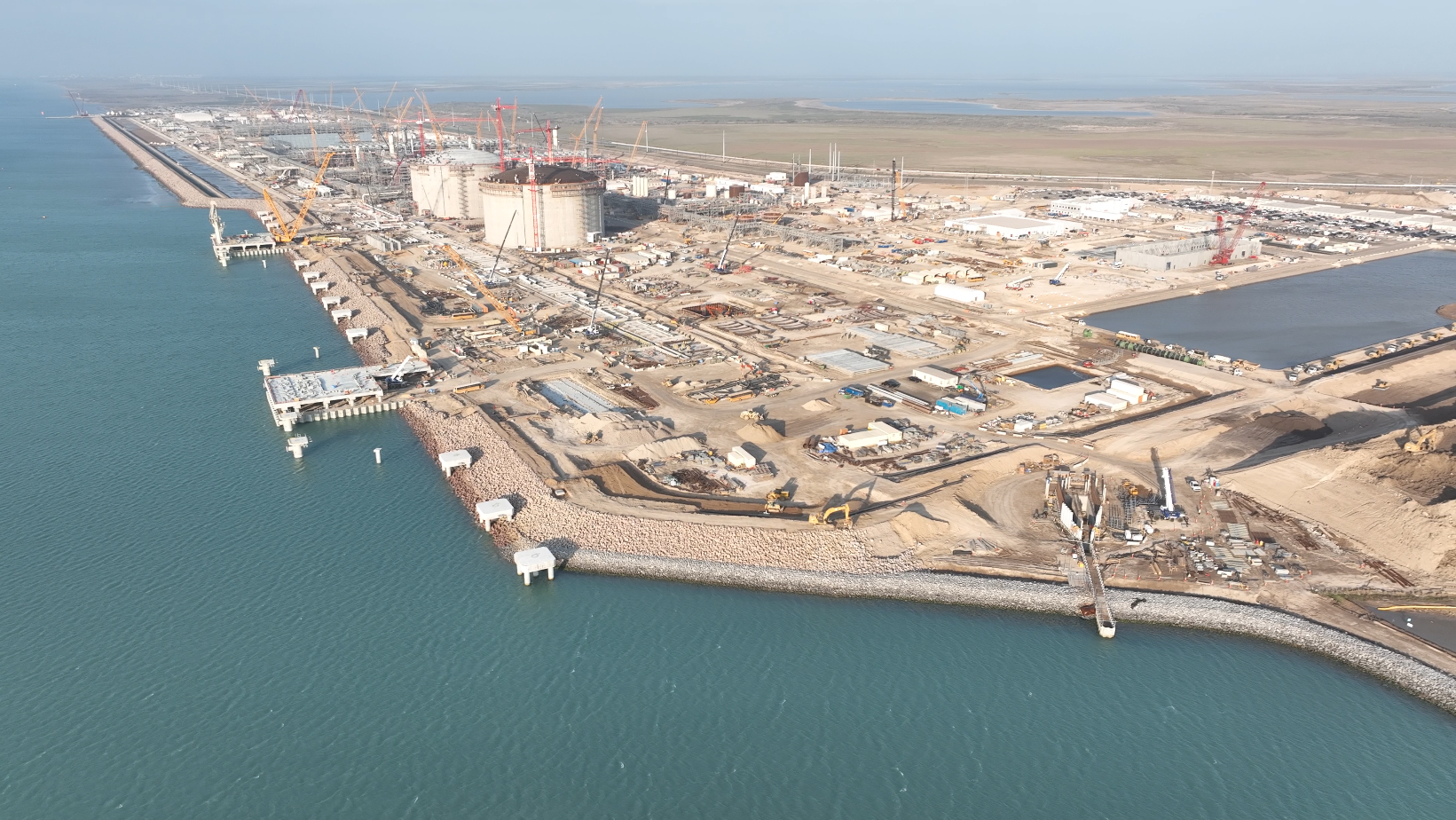
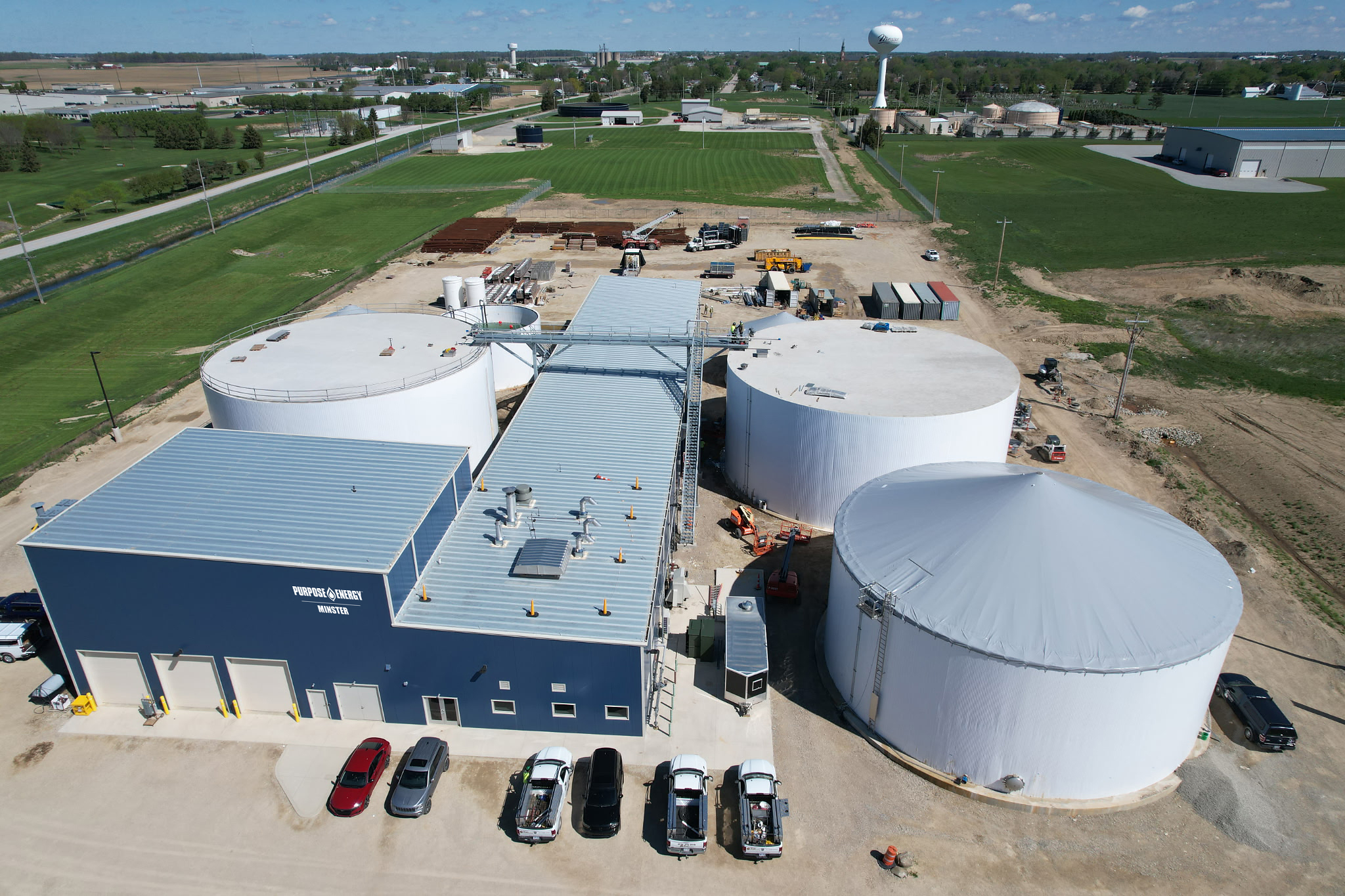
Building on their ongoing collaboration at the Rio Grande LNG (RGLNG) facility, Bechtel has contracted ABB to deliver integrated automation and electrical systems for Trains 4 and 5. Three years ago, ABB gained a similar order for Trains 1, 2, and 3. ABB’s automation platform is being embedded into the trains to support safe, efficient, and reliable operations as the plant moves toward its full production capacity of up to 30 MTPA. The facility in Brownsville, Texas, is being developed by NextDecade Corporation, with Bechtel undertaking construction under an engineering, procurement, and construction (EPC) contract.
The scope of Trains 4 and 5 includes deployment of an Integrated Control and Safety System comprising ABB Ability System 800xA distributed control system, emergency shutdown, and fire and gas systems. As part of the overarching automation platform, an Electrical Controls and Monitoring System will provide unified visibility of the plant’s electrical infrastructure to optimize production and efficiency. ABB will also supply medium-voltage drives, synchronous motors, transformers, motor controllers, switchgear, and buildings to house the equipment, thereby streamlining on-site installation and commissioning. Phase 1 of RGLNG is well underway, with Trains 1, 2, and 3 expected to begin operations in 2027. Operations at Train 4 are expected in 2030, with Train 5 following suit in 2031.
“The extension of our scope at Rio Grande LNG is enabling safe and efficient operations that support energy security through a reliable supply to the global energy market,” said Per Erik Holsten, president of ABB’s Energy Industries division.
Carbon Capture
ABB has been in business for more than 140 years and has around 110,000 employees worldwide. Its Automation business area (comprising 26,000 employees) automates, electrifies, and digitalizes industrial operations that address needs such as supplying energy, water, and materials to produce goods and transporting them to market.
RGLNG isn’t the only news ABB has generated of late. It also made a major announcement on carbon capture, utilization, and storage (CCUS) earlier this year.
Even minor variations in carbon dioxide (CO₂) impurities can have major operational consequences. Contaminants such as hydrogen sulfide (H₂S), moisture, oxygen, and inert gases can affect compressibility, increase corrosion risk, and lead to pipeline rejection. Non-compliance may result in disconnection from CO₂ networks and force operators to return emissions to the stack, incurring costly financial penalties.
Hence, ABB has released the first fully integrated gas analyzer package for CCUS applications. It combines several ABB analyzers (the Sensi+ CCUS, GCP100, and ACF5000 CCUS) to deliver CO₂ stream quality assurance. Packaged together, they comprise a real-time measurement suite for CO₂ impurity detection and compliance across the entire CCUS value chain.
ACF5000 CCUS
ACF5000 CCUS offers broad-spectrum measurement for a wide range of CO₂-related components, even in CO₂-rich and demanding environments. It is a flexible, multicomponent Fourier Transform Infrared Spectroscopy (FTIR) and Flame Ionization Detector (FID) analysis tool that strikes the right balance between speed and precision in identifying and quantifying chemical compounds.
Sensi+ CCUS
Sensi+ CCUS enables rapid detection of critical contaminants at low levels with minimal cross-interference. It harnesses laser-based detection using Off-Axis Integrated Cavity Output Spectroscopy (OA-ICOS), an advanced form of Cavity Enhanced Absorption Spectroscopy (CEAS), to prevent pipeline rejection and protect infrastructure by analyzing trace gases.
OA-ICOS is a fourth-generation cavity-enhanced absorption laser technology that ABB developed to overcome the limitations of earlier technologies. It uses high-reflectivity mirrors and quality optics within an optical cavity. Since the laser beam doesn’t require precise alignment (unlike older Cavity Ring-Down Spectroscopy techniques), the analyzers are rugged, simpler to build, and mechanically/thermally robust.
“It can detect contaminants at ppt/ppb levels using very long optical path lengths greater than 1000 meters [3281 ft.],” said Stefan Parmentier, global product manager, Industrial ICOS at ABB’s Measurement & Analytics division. “As well as being highly accurate, it minimizes cross-interferences through high-resolution diode laser absorption and specialized algorithms.”
GCP100
GCP100 delivers advanced chromatographic analysis with built-in cybersecurity and predictive maintenance features for non-infrared-responsive gases at very low detection range, such as hydrogen, nitrogen, and argon. Launched in September of 2025, it is the first gas chromatograph (GC) with built-in cybersecurity and integrated Wi-Fi. Unlike other GCs, it doesn’t need to connect to third-party devices, eliminating gaps in encryption and security.
“This one-stop offering combines Sensi+ CCUS laser gas analyzer, GCP100 process gas chromatograph, and ACF5000 CCUS to ensure complete CO₂ stream quality from capture through transport to storage,” said Parmentier. “It delivers high-precision detection of trace impurities, helps operators manage CO₂ quality, protects pipelines, and ensures compliance with stringent purity standards.
As no single technology fits all the measurement challenges inherent in CCUS, all three of these elements are packaged and integrated. They are delivered in an analyzer shelter with a modular design. This simplifies procurement, reduces engineering effort, and ensures measurement consistency across the CCUS chain. It is backed by ABB’s global service network and asset health monitoring tools, including artificial intelligence (AI)- supported device health checks via ABB’s innovative Dynamic QR Codes and on-premises and cloud-hosted condition-monitoring systems.
“Carbon capture and storage has a role to play in supporting energy expansion and energy transformation,” said Parmentier. “CCUS can tackle emissions in hard-to-abate sectors, particularly heavy industries like cement, steel, or chemicals. It is an enabler of least-cost low-carbon hydrogen production, which can support the decarbonization of other parts of the energy system, such as industry, trucks, and ships.”
Leak Detection
Another recent ABB announcement concerns leak detection. The natural gas industry is moving away from manual leak detection methods due to stricter environmental regulations and the need for faster, more accurate detection. Built on ABB’s patented OA-ICOS laser absorption technology, EmissionVision is a cloud-based workflow management platform that simplifies the adoption of gas leak detection. It combines emission detection, field investigation, and data insights. This platform enables faster methane leak repair by helping operators transition from manual surveys to digitized, auditable leak-detection workflows. Additionally, it allows teams to automate workflow management and track work orders while maintaining an audit trail from initial detection to leak pinpointing.
“EmissionVision simplifies how emission indications are managed, dispatched, and verified, enabling faster repairs, improved compliance, and, ultimately, greater confidence in emissions data,” said Jason Ghiraldini, global product manager of natural gas leak detection from ABB’s Measurement & Analytics division.
It can incorporate field data from ABB MobileGuard and MicroGuard field device surveys, as well as follow-up measurements using traditional technology. Everything is automatically synchronized in the cloud, providing a unified dashboard view for work order status and results. Benefits include automated notifications and tasks to field technicians about situations, tracking and modification of work orders, offline support to prevent data loss, and automatic synchronization when connectivity is restored.
Gas Compression Trends
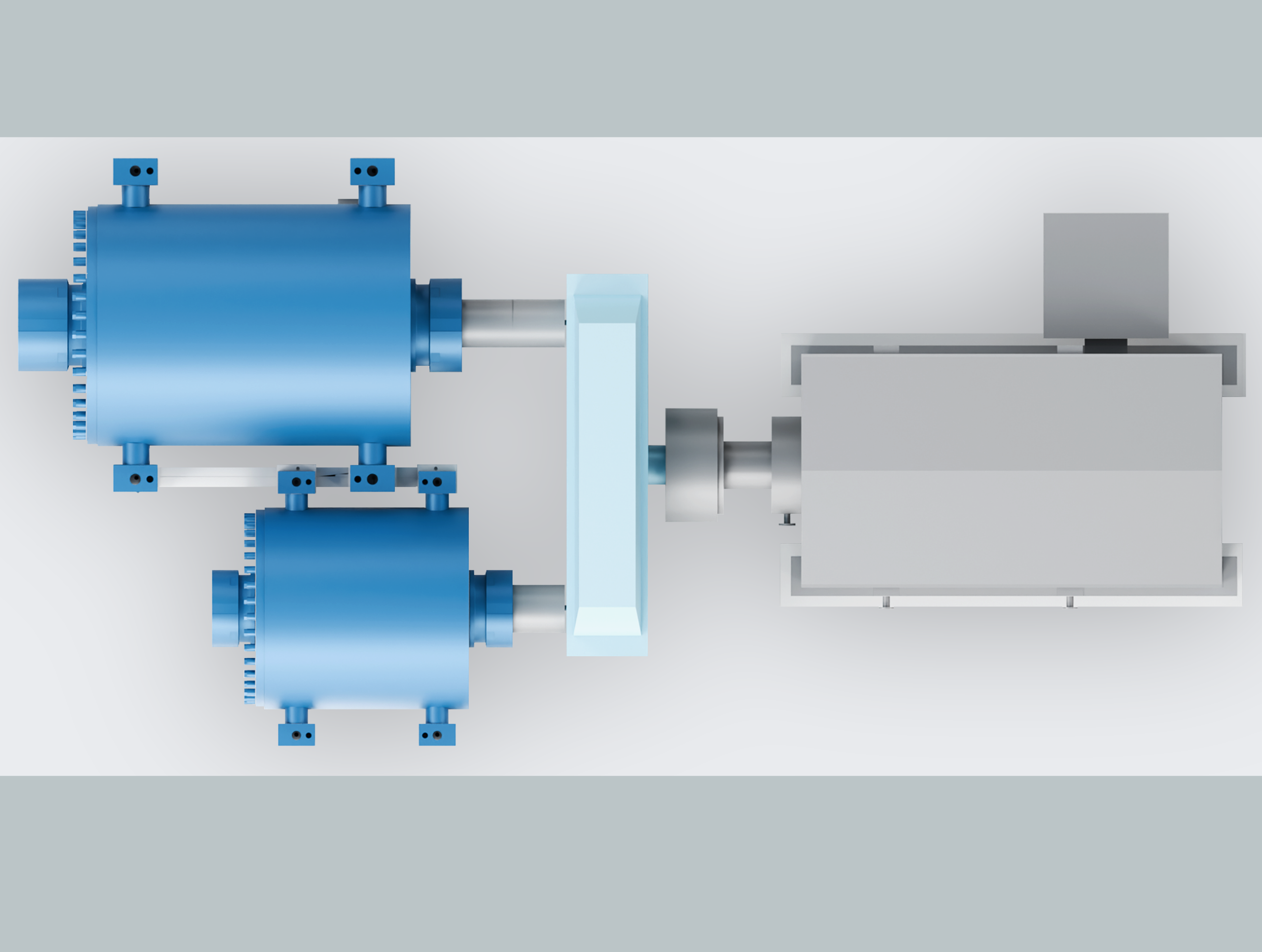
Parmentier noted that the gas compression industry is increasingly centered on two priorities: digitalization and operational efficiency, both essential for achieving lower emissions and maximizing uptime.
“Real-time performance monitoring through IoT [internet of things] sensors and AI-powered analytics is becoming standard practice across the industry,” said Parmentier. “These technologies support predictive maintenance capabilities, enabling operators to shift from reactive to proactive asset management, thereby minimizing downtime and maximizing the operational lifespan of compression equipment.”
At the same time, environmental compliance requirements are accelerating investment in methane leak prevention and the deployment of energy-efficient, low-emission compression solutions. Hydrogen compression, too, represents one of the sector’s fastest-growing segments.
“Dedicated technologies are emerging for H₂ transport, storage, and refueling infrastructure,” said Parmentier. “Simultaneously, the industry is advancing compression capabilities for biogas and renewable natural gas [RNG] applications.”
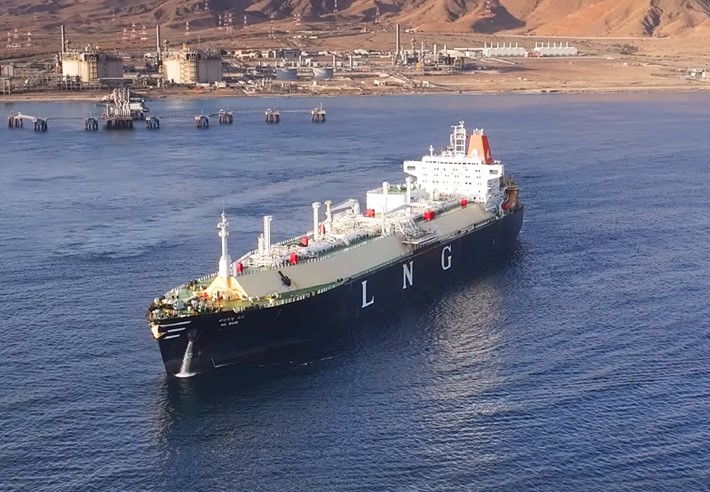
The liquefied natural gas (LNG) business continues to boom, evidenced by several major international developments over the last couple of years. At Abu Dhabi National Oil Company’s (ADNOC’s) Ruwais LNG facility, located 143 miles (230 km) west of Abu Dhabi in the United Arab Emirates, ABB is providing automation, electrical, and digital solutions for what will be the region’s first all-electric LNG plant, utilizing electric-driven motors instead of gas turbines and featuring a microcontroller-based Electrical Control and Monitoring (ECM) system as a module of the ABB Ability System 800xA distributed control system.
In the United States, ABB has entered a deal with Argent LNG to collaborate on automation and electrical solutions for a liquefaction facility at Port Fourchon in Louisiana, expected to improve LNG export capabilities by 2030, using the ABB Ability System 800xA integrated controls platform, a prefabricated eHouse design, and analyzer systems. Simultaneously, Texas LNG is collaborating on core automation and electrical equipment for its 4 MTPA export terminal in Brownsville, Texas, with the first shipments expected in late 2027 or early 2028.
Finally, the LNG Hammerfest project in Norway incorporates integrated electrical and control solutions, including a Safety and Automation System (SAS), pressure and temperature instrumentation, analyzers, an Electrical Control and Supervision System (ECSS), and high-, medium-, and low-voltage switchgear.