AI’s Thirst For Energy Demands An “All of the Above” Approach
By Ross Faransso
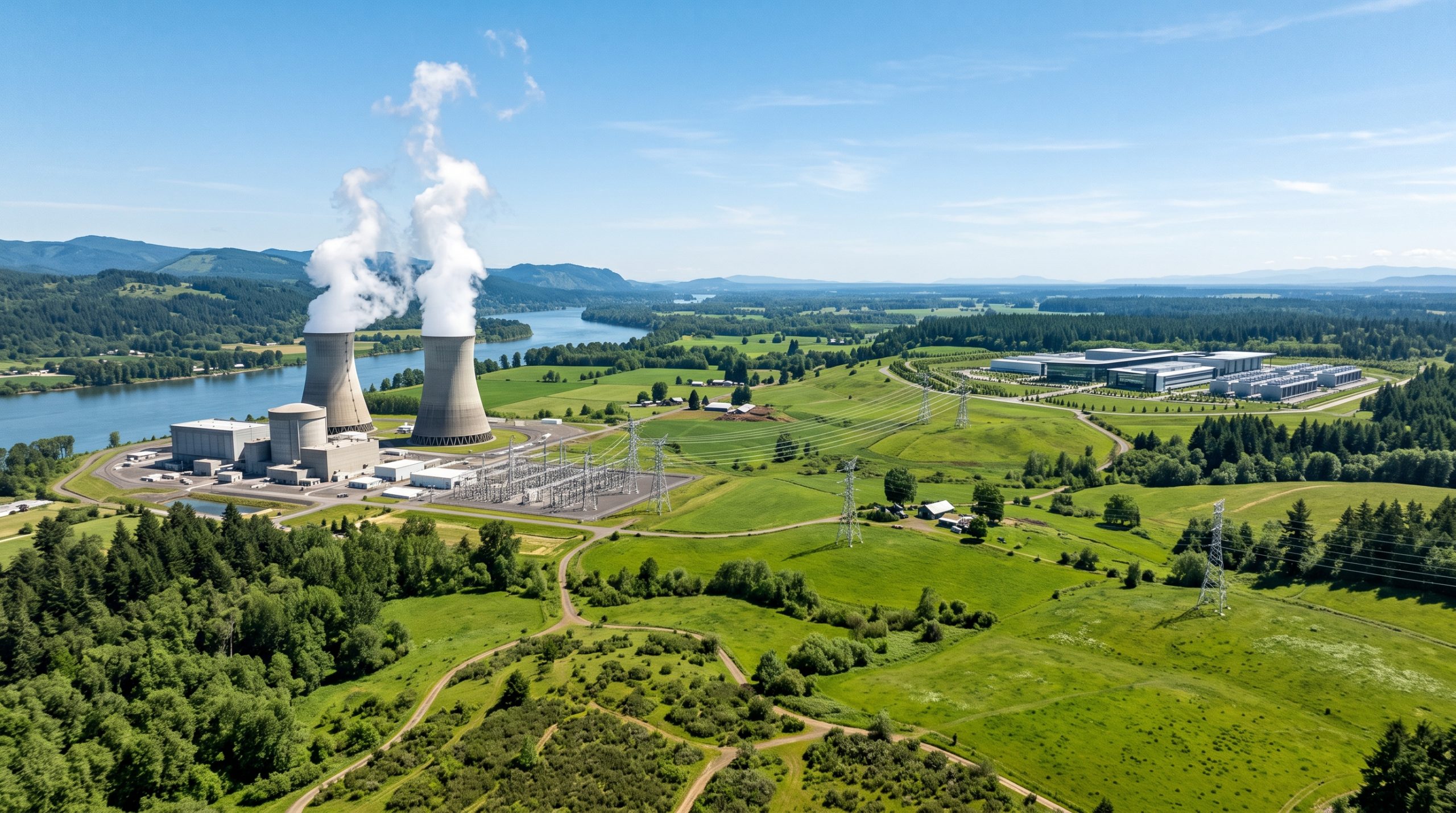
The next era of energy deployment will be rooted in the demand for new power from the artificial intelligence (AI) and data center growth expected over the next decade. While Goldman Sachs forecasts that global demand from data centers will increase by 50% in 2027, and as much as 165% by 2030, the reality is that the grid is too old to support energy-hungry AI. The grid is burdened by insufficient transmission and outdated infrastructure, which means the existing grid simply cannot support the insatiable demand. This leaves big tech and utilities in a bind as these industries attempt to balance meeting demand with supplying a new epoch of power with limited solutions.
Although a fully decarbonized energy system is ideal for reducing America’s carbon emissions, many renewable industries are either too nascent or too expensive to meet data center demand. In order to meet near-time demand, an “All of the Above” energy approach is going to be the more practical solution for alleviating the grid while advancing American AI.
The Favored Energy Solutions For The AI Era
Big tech is eyeing nuclear facilities to power their centers. However, nuclear power is going to take time, likely five to seven years to achieve broad commercial availability, which is too slow to meet the demand that is already rapidly increasing. While nuclear ramps up, the industry is still pushing to decarbonize where it can, which is why we’re going to see growth in the following four industries:
Natural Gas
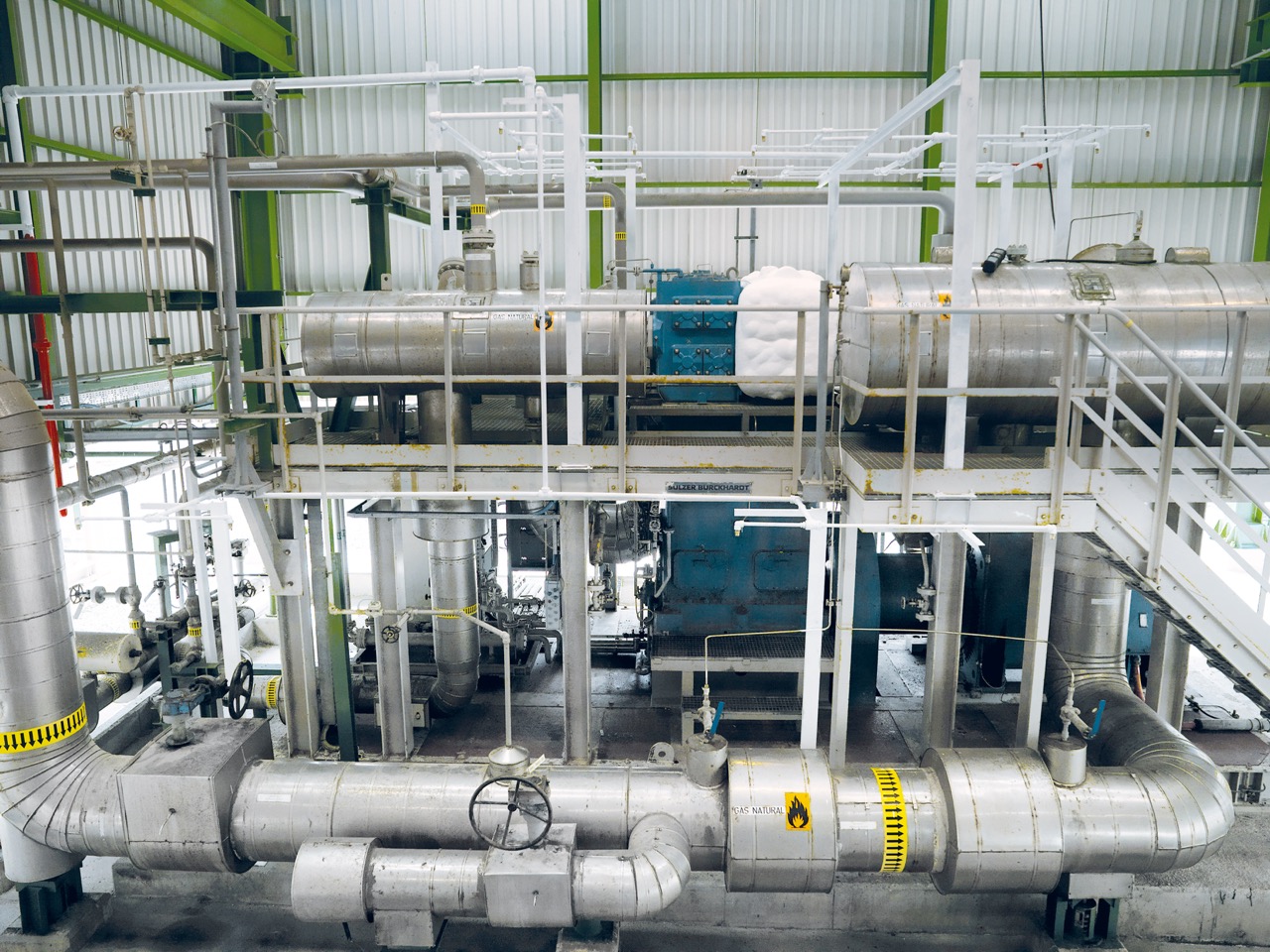
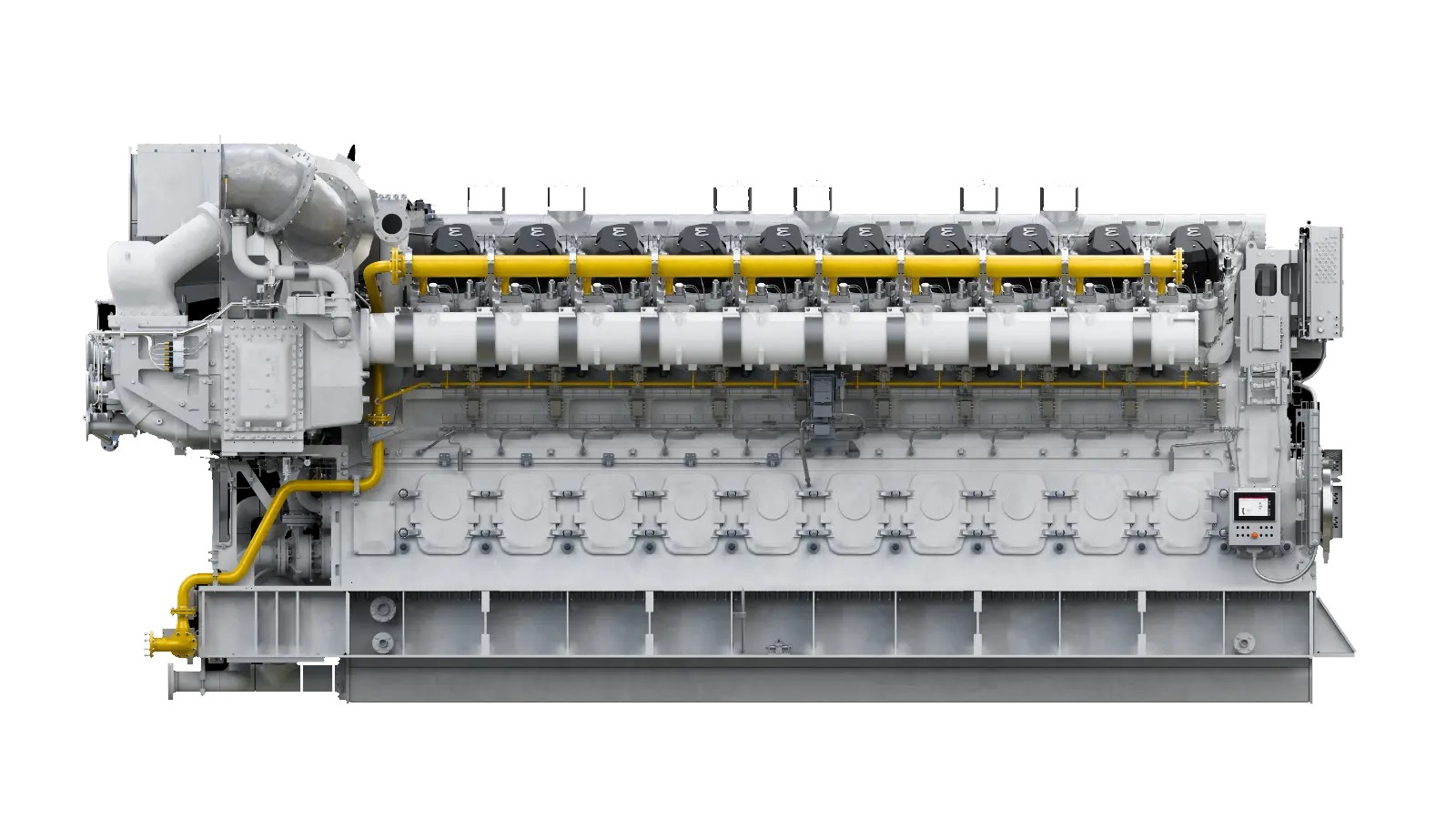
While it hasn’t taken the spotlight for data center energy support, natural gas is going to emerge as a preferred short-term solution to power data centers over the next several years. Favorable for its robust supply and extensive pipelines across the country, natural gas has the potential to meet data center demand while reducing more emissions than traditional fossil fuels. Due to the 45Q tax credits, companies can also financially benefit from combining natural gas with carbon capture sequestration, making natural gas a near-term and cost-effective solution. In fact, natural gas has already caught the eye of big tech players like Microsoft, which is looking for immediate solutions for their data center expansion.
Battery Storage And Solar
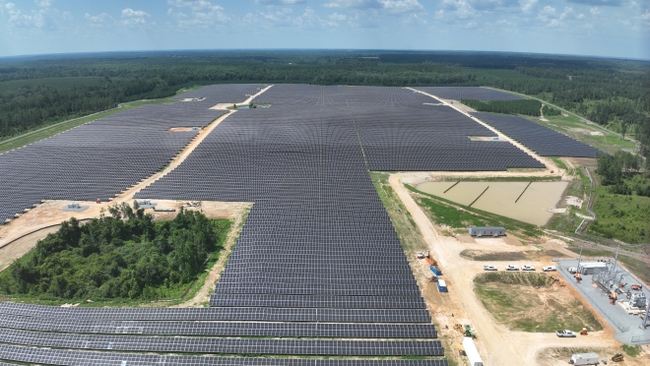
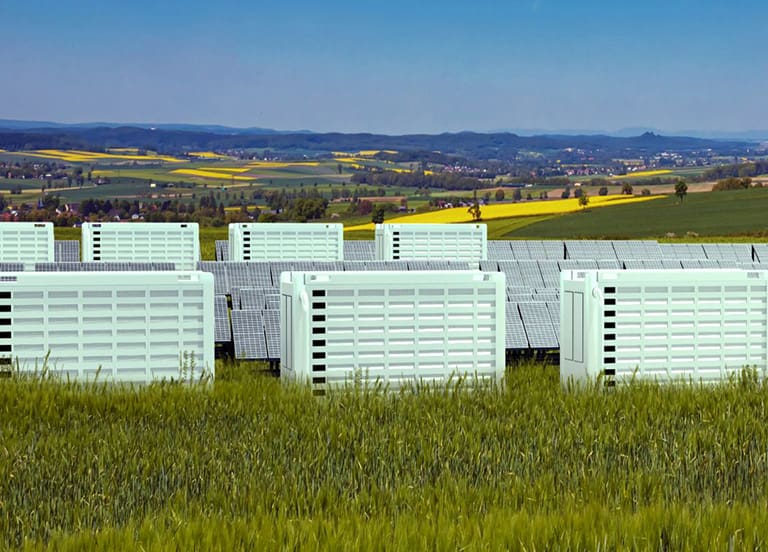
The most mature of the clean energy sectors, battery storage and solar have already proven to be critical players in bolstering the grid and will be continued allies for data centers. Though batteries and solar would need to increase tremendously to meet a 50% increase in energy demand, they are already the industry’s secret weapons for supporting behind-the-meter power due to their peak shaving abilities. Unlike nuclear, battery storage can come online in as little as 24 months, while solar can be built out in just a few years.
Renewable Natural Gas
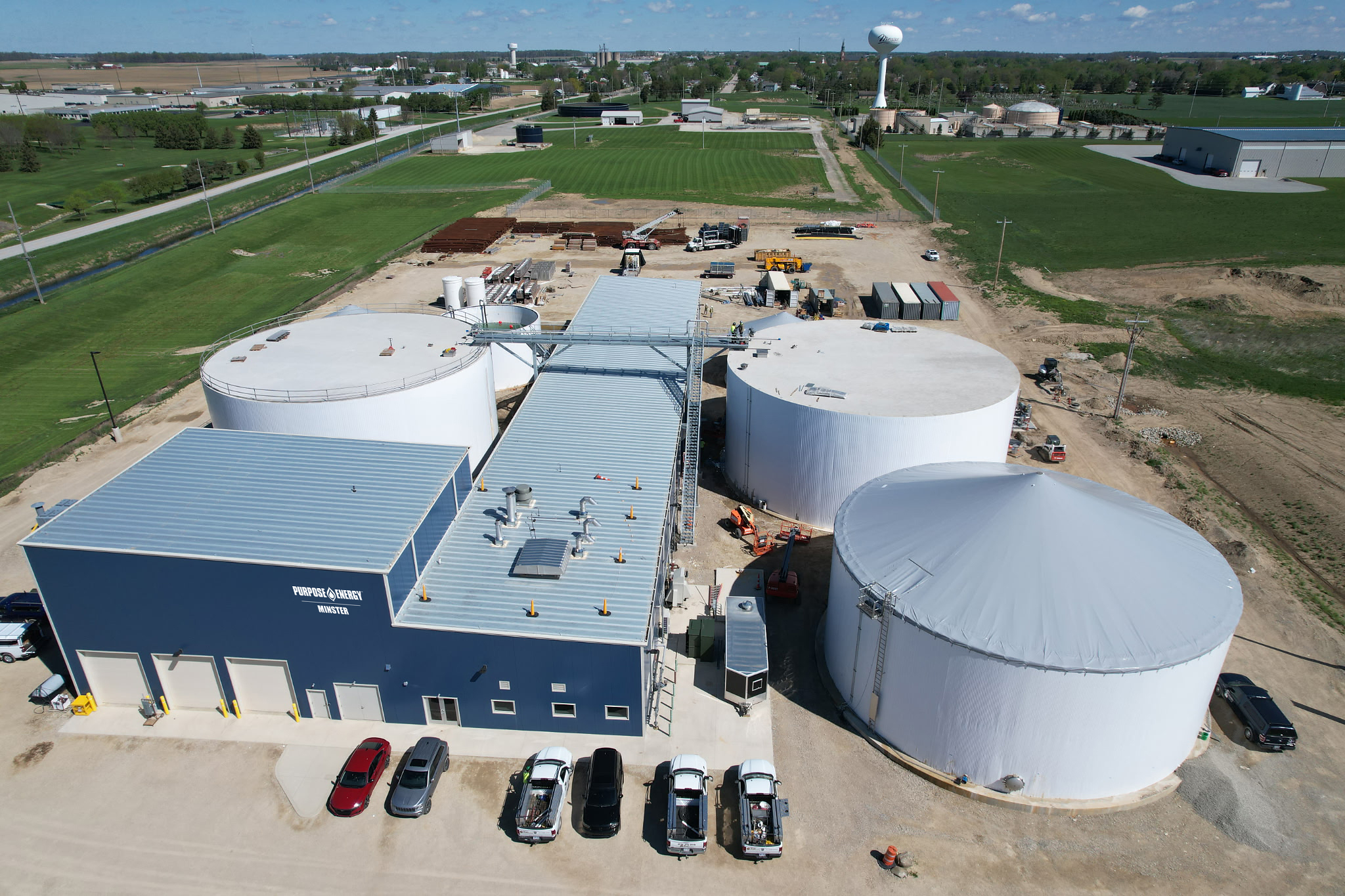
Converting methane to fuel is just one of the numerous benefits of renewable natural gas (RNG). RNG is gaining traction in many metropolitan hubs as a reliable fuel alternative, which is also primed to support data center growth. A regionalized fuel, RNG can be fed into existing pipelines and can power transportation, heating, and electricity generation. For companies locating data centers near RNG hubs, like the Midwest, RNG can serve as a cost-effective and low-emission fuel for AI. Not to mention RNG’s plethora of feedstocks, including organic waste, food scraps, wastewater sludge, etc., which simultaneously reduce the region’s landfill waste and waste emissions.
Biomass To Power
The smallest but one of the mightiest of the energy sectors is biomass. Biomass power can be an effective, sustainable option for fueling data centers. As biomass transfers into sustainable aviation fuel (SAF) and thermal energy in the US, it can also be leveraged to support US data centers. With facilities capable of producing 1 GW of energy, biomass to power may be one of the favored solutions to co-locate with AI facilities.
Withstanding Federal Volatility
The energy sector has been through the wringer, as opposing climate goals from administrations have made it difficult to forecast which energy sectors will grow. Though the industry is experiencing uncertainty right now, there is consensus that the current grid is not going to be able to supply data centers and alternatives are needed. While we may see a push for nuclear, the prolonged timelines are going to turn heads towards alternate solutions like natural gas, RNG, battery and solar, and biomass to quickly power AI. With these combined solutions, the industry can pave a path for green solutions to eventually meet energy demand and hence create a decarbonized system.
 About The Author
Ross Faransso is chief executive officer of project development services at Nexus PMG. He also serves as an active board member for the Association for the Capital Project Engineering Construction Community, commonly known as ECC.