Carbon Credits For Africa’s First Regenerative Farming Program

AgriCarbon, a carbon farming program by Anthesis Group (Anthesis), has become the first carbon farming initiative in Africa to achieve registration and carbon credit issuance under Verra’s VM0042 Agricultural Land Management methodology. AgriCarbon is Anthesis’s flagship carbon farming program, launched in South Africa in 2021 and now expanded to Argentina, Chile, and Paraguay.
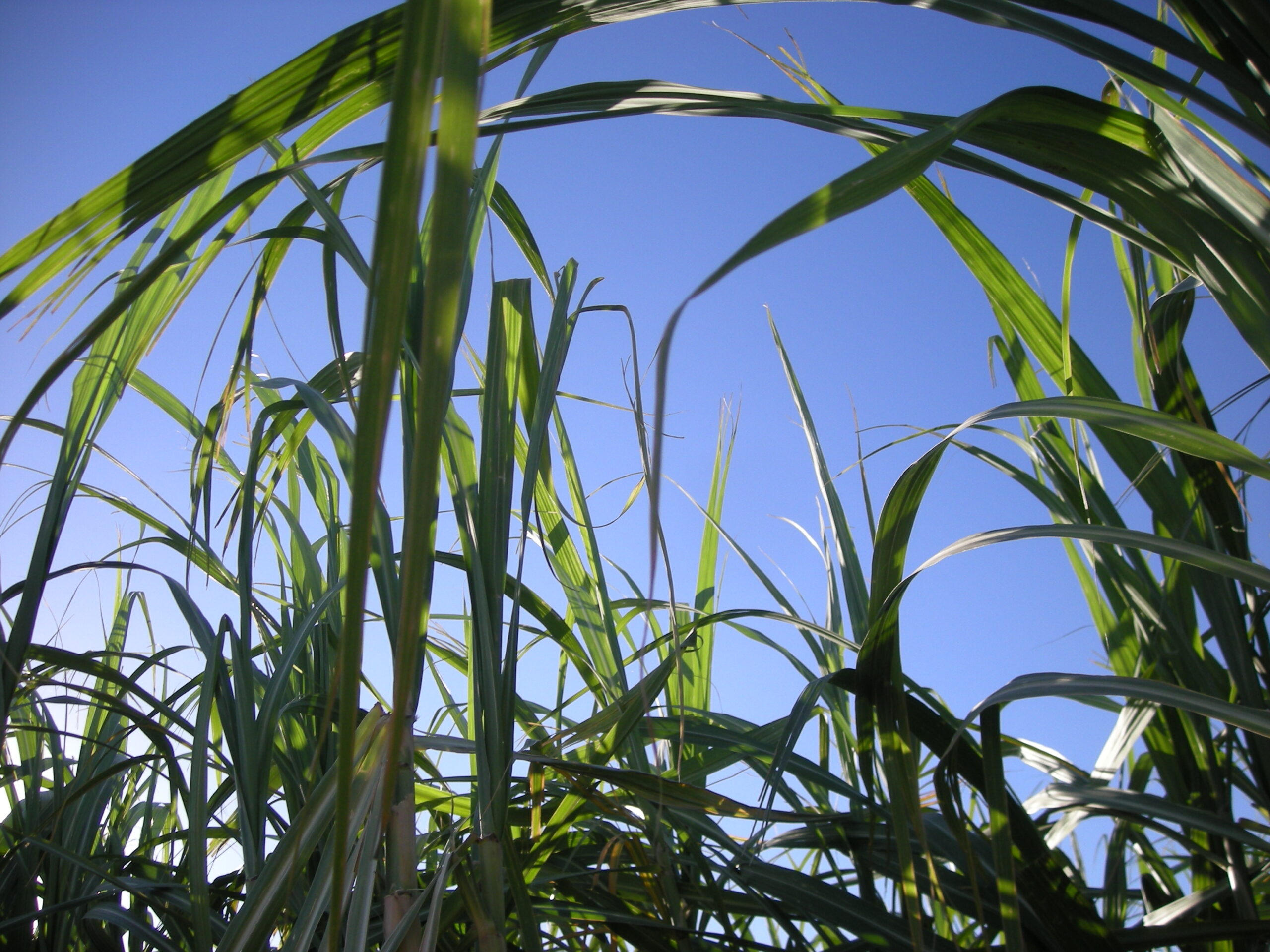
This methodology quantifies the greenhouse gas (GHG) emission reductions and soil organic carbon (SOC) removals resulting from the adoption of improved agricultural land management practices. According to Anthesis, AgriCarbon enables farmers to adopt regenerative farming practices such as cover cropping, reduced tillage, and diversified crop rotations. These techniques enhance soil health, boost agricultural productivity, and transform farmland into carbon sinks, removing carbon dioxide (CO2) from the atmosphere and mitigating climate change.
The AgriCarbon program in South Africa commenced in 2021, and through sustainable agricultural practices adopted by 29 farmers across 44,446 acres (17,582 ha), has issued 43,218 tons (39,207 tonnes) of carbon credits. The milestone is supported by 70,000 unique data points collected over the initial three-year monitoring period for AgriCarbon.
“We launched AgriCarbon in 2021, and, as the first VM0042 project listed with Verra, it was the first soil carbon model to be independently validated for Southern Africa,” said Franz Rentel, managing director of Anthesis in South Africa. “From day one, our aspiration was to change the approach to regenerative farming, and we are proud that Anthesis has played a pivotal role in driving it forward. Innovation is at the core of Anthesis, and this milestone is a testament to our commitment to pioneering sustainable solutions. What was once uncharted territory is now a thriving sector, with projects worldwide building on what we started. This achievement underscores how bold ideas, backed by strategic expertise, can drive real impact and reshape industries for a more sustainable future.’’
AgriCarbon is built around a monitoring, reporting, and verification (MRV) system. According to Anthesis, the system ensures transparency and accuracy in emissions reductions and removals. Additionally, the soil carbon model was independently assessed by the Nutrient Management Institute (NMI) at the University of Wageningen in the Netherlands.
“When AgriCarbon approached us in 2021 with a vision for a pilot project, we saw an opportunity to support independent, science-based sustainable agriculture across South Africa,” said Craig Galloway, director of Trace & Save. “The journey to issuance has been long but rewarding, filled with valuable learnings. Reaching this milestone means our farmers can now generate carbon credits, rewarding their dedication to sustainable farming practices.”
By generating carbon credits, AgriCarbon provides farmers with an additional revenue stream that helps overcome the barriers to adopting regenerative farming practices. Unlike many organizations that simply source offsets, Anthesis said that it also actively develops its own high-impact carbon projects. Through initiatives like AgriCarbon, Anthesis generates carbon credits and drives tangible improvements in soil health, biodiversity, and climate resilience while reducing reliance on fossil fuels.
“Through AgriCarbon, we are committed to helping companies and governments achieve their net zero and nature-climate goals,” said Arjen Struijk, global executive director of climate & nature at Anthesis. “By scaling this vital climate solution, we are enabling farmers, and clients that use these credits as part of their wider decarbonization journey, to enhance soil health, biodiversity, and climate resilience while contributing to meaningful emissions reductions. This is a clear demonstration of what sustainable performance means in practice.”
Looking ahead, Anthesis is committed to expanding its impact, helping more farmers worldwide participate in carbon markets and contribute to climate action. The program will continue providing farmers with technical support, training, and tools to maximize carbon sequestration and enhance climate resilience.
“As the program scales, we invite farmers, partners, and businesses to join AgriCarbon on this journey to create meaningful impact,” said Pieter van Niekerk, principal sales manager for AgriCarbon at Anthesis. “Together, we can cultivate a future where every crop nurtures the planet.”