Energy’s Automation Opportunity
Honeywell Buys Sundyne For Second Oil And Gas Acquisition In Less Than A Year
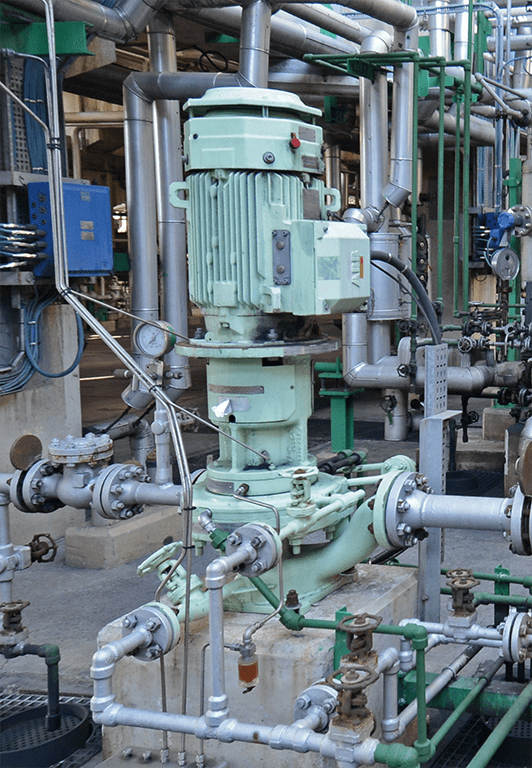
(Image courtesy of Honeywell)
Honeywell International (Honeywell) is acquiring Sundyne LLC (Sundyne) from private equity firm Warburg Pincus for US$2.16 billion in an all-cash transaction. The deal is expected to close in Q2 2025.
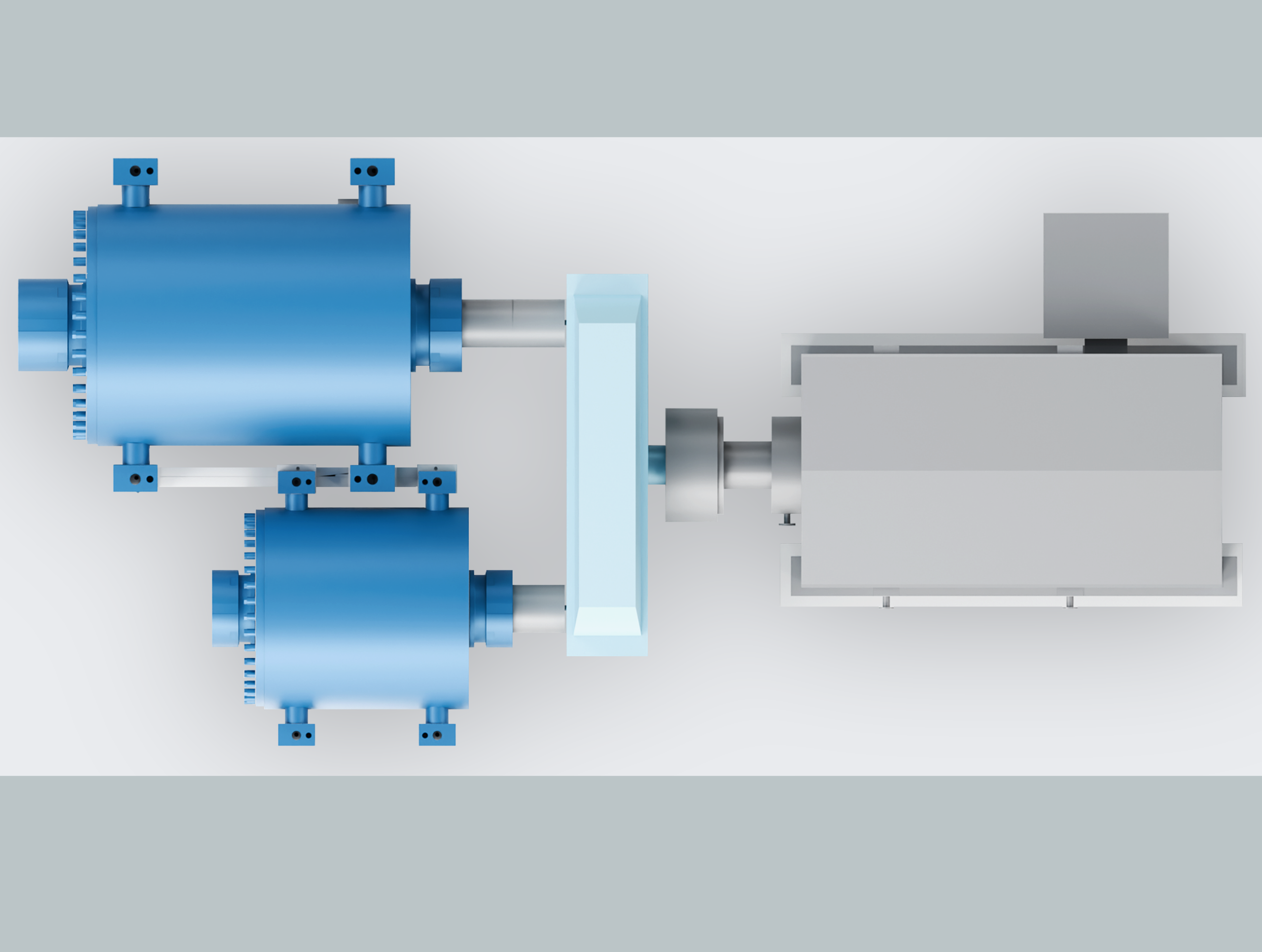
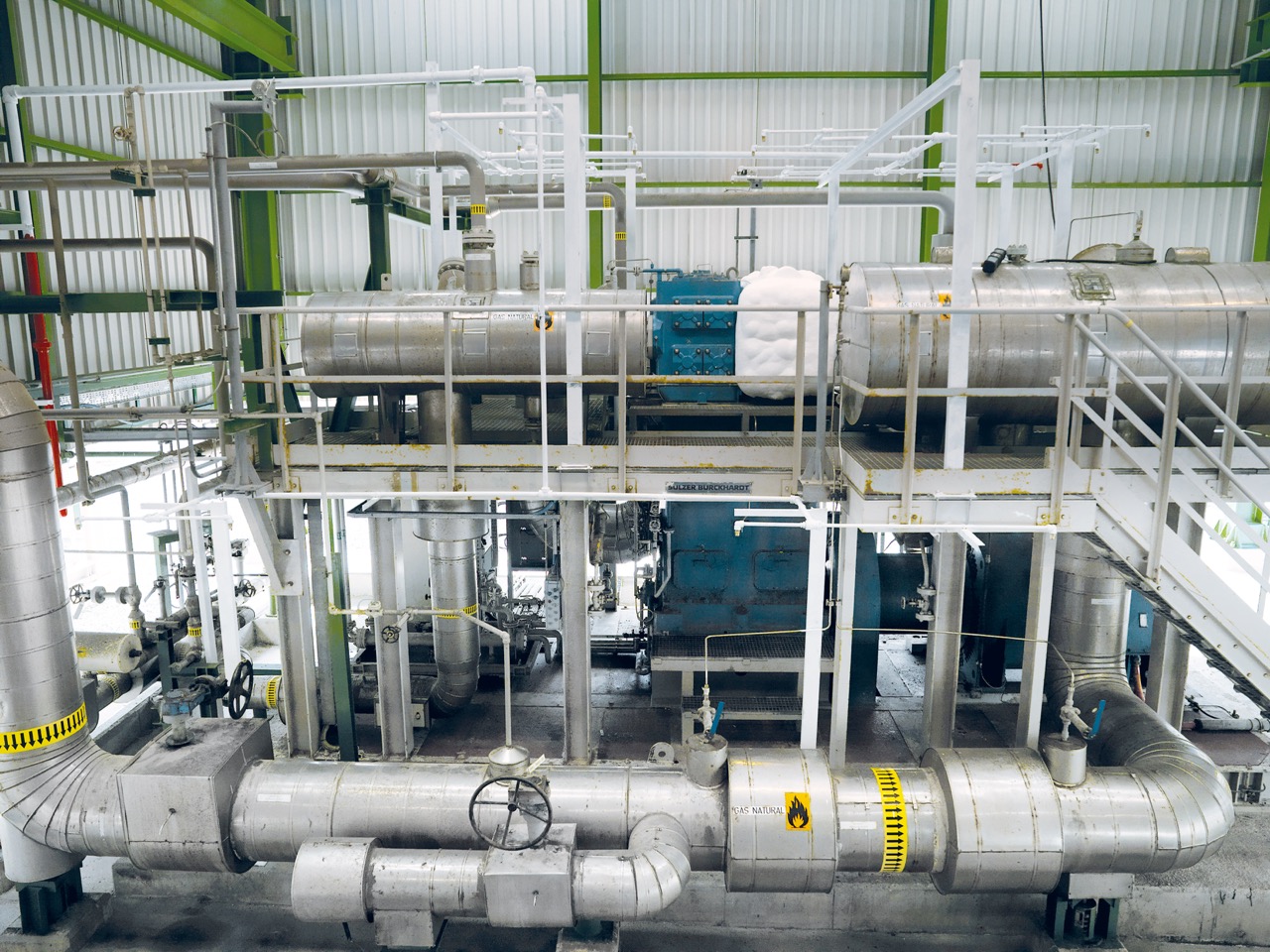
Founded in 1970, Sundyne designs, manufacturers, and supports industrial pump and gas compressor products for process fluid and gas applications across the energy, petrochemical, chemical, and industrial markets.
The sale price presents approximately 14.5 times Sundyne’s 2024 earnings before interest, taxes, depreciation, and amortization (EBITDA) on a tax-adjusted basis. Honeywell believes that Sundyne’s customer relationships, products, and technology will help grow Honeywell UOP’s value chains in refining, petrochemicals, liquefied natural gas (LNG), clean energy, and renewable fuels.
“By combining Honeywell’s top-tier technology with Sundyne’s leading process industry solutions, this acquisition will further enhance our dynamic Honeywell UOP business and create strategic growth opportunities in attractive verticals,” said Vimal Kapur, chair and chief executive officer (CEO) of Honeywell. “Sundyne’s vast installed base of top-of-the-line pumps and compressors will further strengthen Honeywell’s brand in the process industry and create significant opportunities for us to continue expanding our aftermarket services business.”
Honeywell plans to use Sundyne’s assets to expand Honeywell UOP’s product offering while also bringing Honeywell Forge to the Sundyne product lineup. Honeywell Forge is an internet of things platform that will enable further digitalization of Sundyne’s equipment, which Honeywell said will enhance reliability and predictive maintenance. According to Honeywell, the company’s research and development (R&D) capabilities will accelerate new product development in the pumps and compressor space.
“Through the integration of Sundyne’s differentiated suite of products and equipment, combined with the process automation capabilities of our Honeywell Forge technology, we will be able to offer our customers a more comprehensive portfolio of solutions to meet their evolving needs,” said Ken West, president and CEO of Honeywell’s Energy & Sustainability Solutions segment.
“We are incredibly proud to have partnered with the talented leadership team at Sundyne over the past five years. Sundyne’s focus on diversifying its end markets, investing in innovative products, and optimizing its operations has set a solid foundation for sustained, above-market growth,” said Dan Zamlong, managing director of Warburg Pincus.
“The combination of Sundyne and Honeywell will add significant value for our customers, channel partners and employees, and we’re honored to join the Honeywell family,” said Sundyne’s CEO Mary Zappone. “There are numerous benefits that we can achieve together with Honeywell that will accelerate growth and improve efficiency for customers.”
Betting Big On Oil And Gas
In February, Honeywell announced the planned separation of its aerospace division from its automation segment, which joins the previously announced spin-off of its advanced materials segment. The conglomerate will be split into three companies, likely by the second half of next year.
Despite the major shakeup, Honeywell said that it still intends to continue its portfolio transformation efforts to improve efficiency and better position the three standalone business units to thrive.
Since December 2023, Honeywell has made several acquisitions, including US$9 billion in total on Carrier Global’s Access Solutions business, Civitanavi Systems, CAES Systems, and Air Products and Chemicals’ LNG business segment.
Honeywell spent US$1.81 billion on Air Products’ LNG segment at around 13 times estimated 2024 EBITDA, giving the Sundyne acquisition a slight premium to that deal. Combined, the two deals represent US$3.97 billion on oil and gas related assets, which is over 35% of the total amount Honeywell has spent on acquisitions since December 2023.
The Air Products deal expanded Honeywell’s LNG offering to include natural gas pretreatment and liquefaction, using digital automation technologies under the Honeywell Forge and Experion platforms. The process technology and equipment business acquired in the deal included in-house design and manufacturing of coil-wound heat exchangers and related equipment.
A key aspect of both deals is digitalizing natural gas assets and providing customers with sustainable and efficient energy products. Energy is integral to Honeywell’s long-term growth strategy. In fact, the company is aligned around three megatrends — automation, the future of aviation, and the energy transition.
Traditionally, Honeywell may have been viewed mainly as an aerospace company. The aerospace segment provides auxiliary power units to aviation systems, aircraft engines, electronic systems used for navigation, and more. However, automation has quickly become the company’s largest segment by revenue.
Post break-up, Honeywell UOP will fall under the automation segment. LNG and natural gas compression will play critical roles in driving progress in the automation and energy transition megatrends.
“Honeywell automation is uniquely positioned to help meet world’s need on both fronts with leading innovation from renewable fuels technology to LNG, building our largest installed base of process technology for the energy sector,” said Honeywell CEO Vimal Kapur on the company’s Q4 2024 earnings call. “As an independent automation pure-play, Honeywell Automation will be able to anchor the direction of the company to build on our powerful foundation and focused capital allocation strategies on deepening presence in high-growth verticals.”
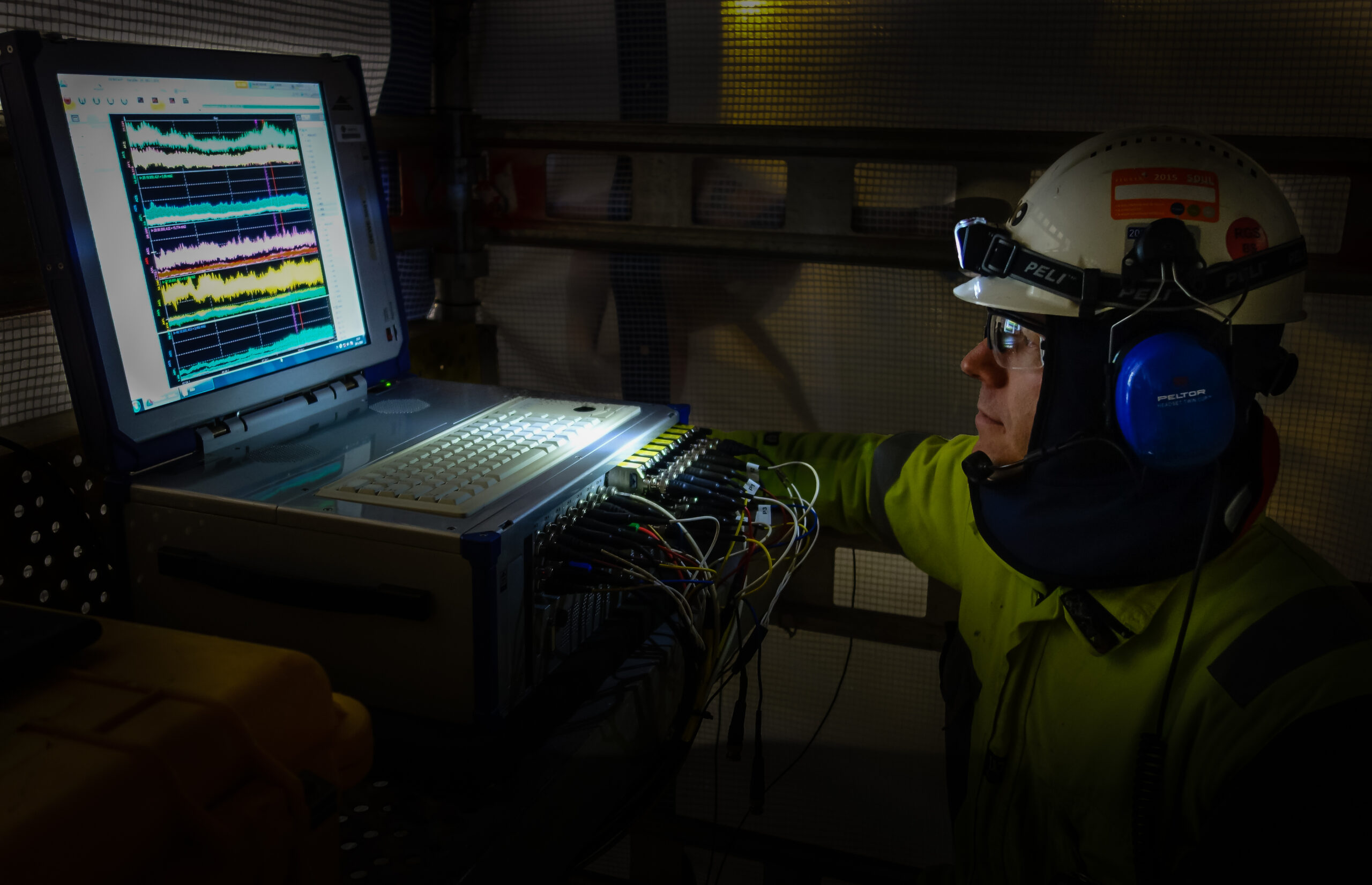
Honeywell’s automation segment will focus on digital transformation, energy security, and industrial autonomy. The basic idea is to gain insights into equipment and machinery operating in heavy industry and automate certain processes to make those industries safer and more efficient.
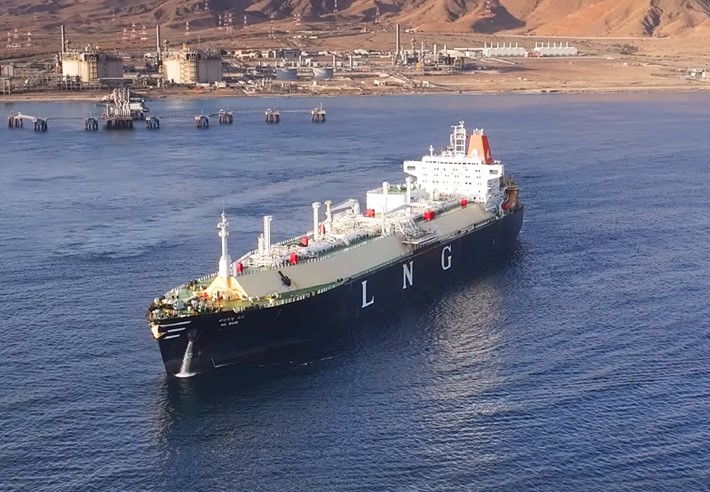
For example, Honeywell offers digital twin lifecycle modeling and a full portfolio of LNG software solutions across liquefaction, shipping, regasification, pipelines, and micro-LNG. Its cybersecurity products provide early threat detection and insights to comply with regulations. Honeywell Forge also offers energy management and carbon reduction tools so that operators can track their emissions and make improvements to help them achieve environmental goals.
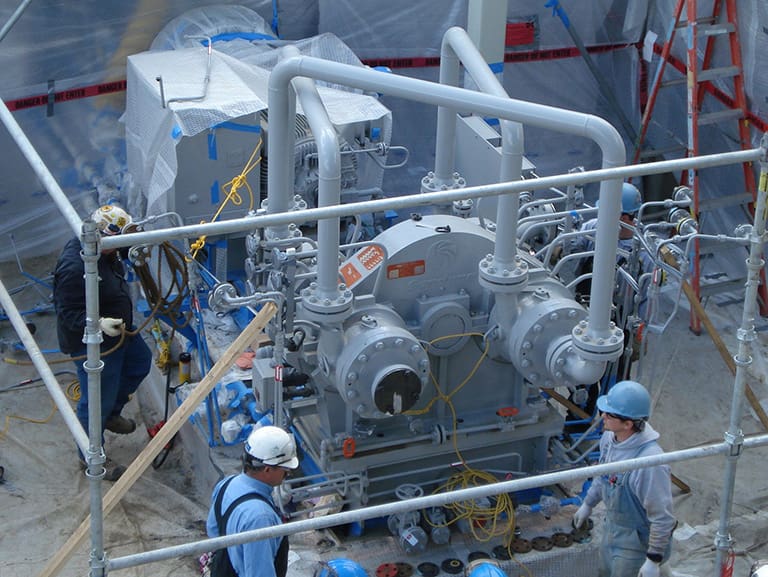
(Image courtesy of Honeywell)
Playing The Long Game
Oil and gas have taken a leading role in Honeywell’s acquisition frenzy even as it works to break up its conglomerate business model. From LNG assets to a pump and compressor original equipment manufacturer like Sundyne, Honeywell seems to think the oil and gas industry is ripe with value and digitalization potential.
Connecting physical assets with the digital world could help create LNG plants of the future and better position LNG to play a key role in the energy transition. Project developers and investors know the importance of embedding environmental considerations into new projects. For example, Next Decade’s Rio Grande LNG will use carbon capture and storage (CCS) and renewable energy power generation to cut emissions by more than 90% compared to equivalent plants.
Although no LNG project will have zero environmental impact, a project can reduce its carbon footprint by having an on-site combined-cycle power plant, by implementing CCS, adding hydrogen facilities, using electric drivers, renewable power, and other technological solutions.
LNG demand transcends international borders. Companies that can produce LNG with less environmental impact stand a better chance of landing customers with aggressive environmental, social, and governance (ESG) goals. LNG project developers are mindful of this pressure, knowing that they must be cost and environmentally competitive with alternative energy sources. Going forward, not all oil and gas will be created equal. Companies will want to track carbon molecules from production to consumption. They’ll care more about insights into emissions and efficiency. Oil and gas demand won’t automatically grow in lockstep with economic growth as it did in the past. There’s competition from other fuel sources and within the industry between companies that are taking emissions and data analytics seriously and those that are not.
Late last year, we discussed the value of following the breadcrumbs left by major companies. As Honeywell and other companies have demonstrated, the breadcrumbs are leading toward technological innovation. A wave of consolidation continues to sweep across the oil and gas industry as big companies gobble up smaller players to achieve efficiency improvements and accelerate growth. Honeywell’s deals indicate that it believes oil and gas assets are undervalued and doesn’t reflect the potential growth that could come by leveraging the industrial internet of things.
Honeywell is investing significant capital to ensure it has competitive advantages in emissions, analytics, and cybersecurity. If major companies like Honeywell continue to acquire smaller players across the oil and gas value chain and leverage their large R&D budgets, we could see an acceleration in industrial automation and even further consolidation. Especially if acquisitions lead to a sizeable return on investment.
While overly automating is never a good idea, there are benefits to having clear environmental and economic objectives, regardless of short-term changes in policy and regulations. By considering environmental factors in business cases, companies can avoid missing out on customers who will only make deals that help them progress on their net-zero goals. Making decisions with sustainability in mind may lead to higher costs in the near-term, but it will always be the better path long-term.