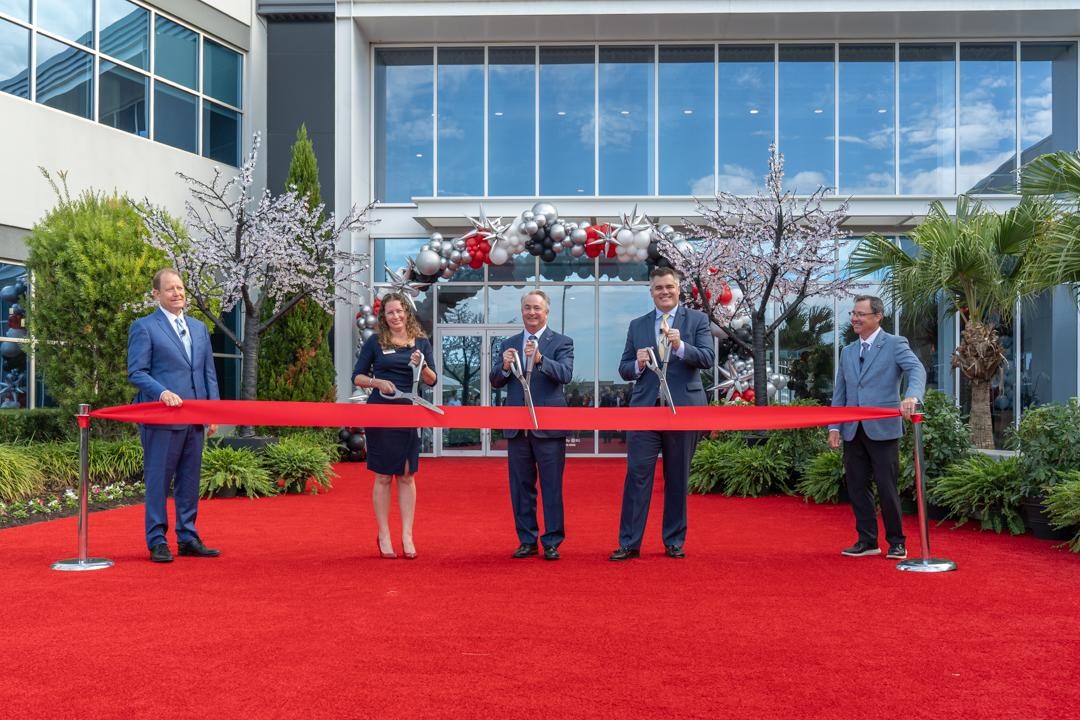
Google Breaks Ground On Its Largest Solar And Battery Storage Project
Moving Beyond PPAs To Build Net-New Grid Capacity for AI Infrastructure

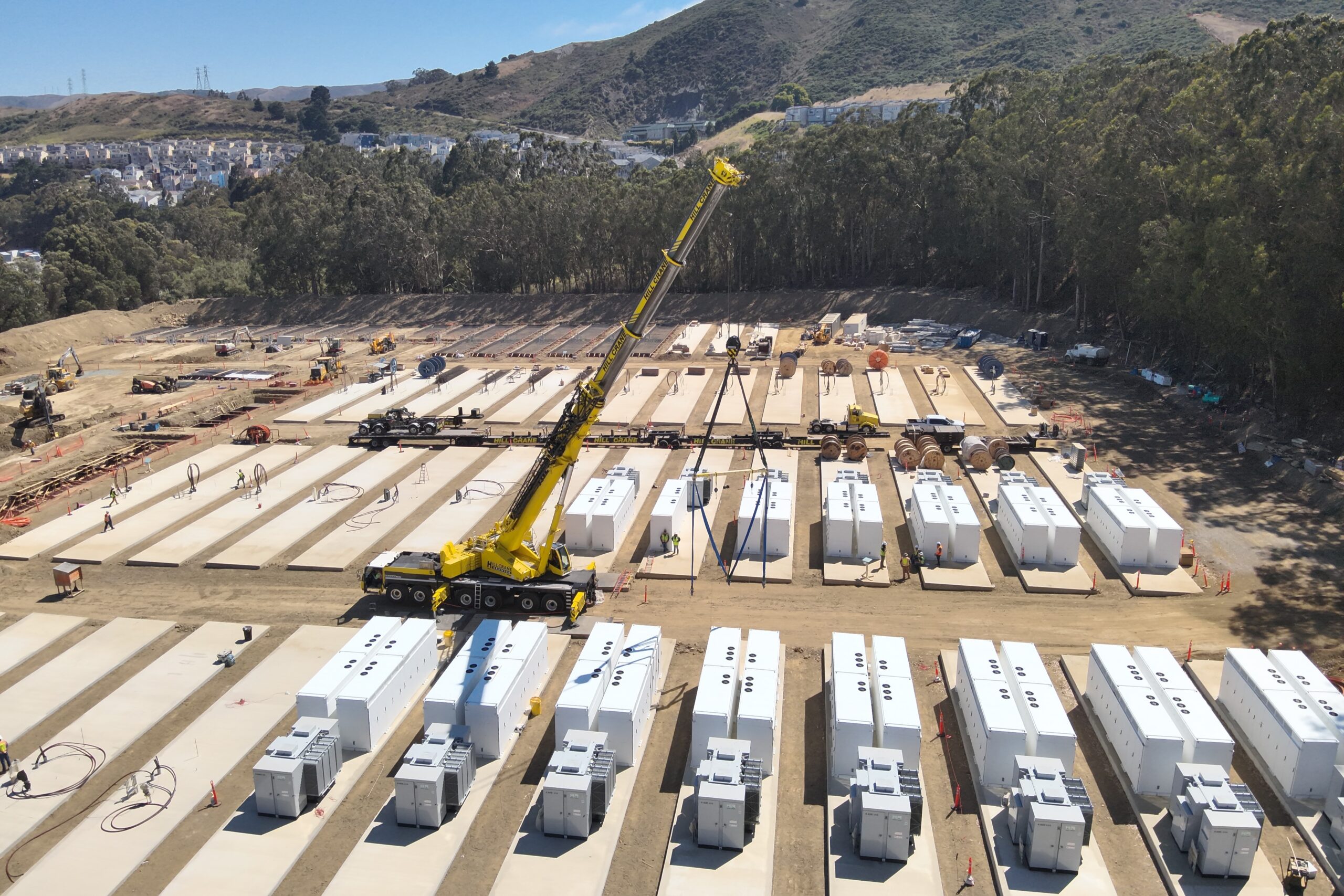
Google has commenced construction on the Steel River Energy Center in Mississippi County, Arkansas, marking the largest solar and battery energy storage system (BESS) project within its global portfolio. Developed in collaboration with Cypress Creek Energy, the facility represents a strategic shift toward high-capacity, grid-integrated renewable assets designed to meet both utility-scale demand and the technical requirements of a constant, carbon-free energy supply.
The project is structured in three phases, with initial capacity coming online to support regional energy needs. Upon full operational status in 2029, the facility will feature 2.5 gigawatts of direct current (GWdc) solar generation capacity and 2.9 GWh of battery storage. This configuration addresses the technical challenge of renewable intermittency by shifting peak solar generation to match evening and high-demand grid loads. The integration of 1.9 GWh of storage in the first two phases alone underscores a prioritized approach to providing firm, dispatchable power rather than simple intermittent generation.
This facility represents a significant shift from Google’s historical procurement methods. While the company has previously executed over 240 clean energy agreements totaling nearly 35 GW of capacity, those early initiatives largely relied on wind and solar power purchase agreements (PPAs) that focused on annual matching. In contrast, Steel River prioritizes additionality by developing net-new grid capacity with storage. This evolution is a direct response to the operational demands of high-density artificial intelligence (AI) computing and the company’s stated goal of achieving 24/7 carbon-free energy (CFE) on every grid where it operates by 2030. By pairing generation with significant storage capacity, the project moves the company away from reliance on annual offsets toward hourly, grid-synced carbon-free energy.
From a procurement and supply chain perspective, the project uses a localized model for infrastructure materials. Structural steel for the mounting systems is sourced from regional manufacturing facilities within Mississippi County. This sourcing strategy is intended to mitigate supply chain volatility and reduce the logistics-related carbon footprint associated with large-scale utility infrastructure. The project’s deployment also includes a US$300 million projection of regional tax revenue over the assets’ lifespan, alongside capital commitments directed toward local energy-efficiency and residential grid-stability initiatives.
The Steel River facility operates as an anchor-investor model, reflecting Google’s broader transition toward a 24/7 CFE strategy. This operational framework prioritizes the physical addition of clean energy assets to the specific grids where data centers and industrial operations are located. By aligning large-scale storage with solar generation, the model provides the necessary flexibility to stabilize regional grids that serve mixed-use demand, including intensive manufacturing sectors and high-density computing infrastructure.
This development highlights the evolving role of major corporate energy consumers in infrastructure planning. The focus on regional grid resilience, coupled with the integration of domestic industrial manufacturing for project components, suggests a maturation of renewable energy deployment models. For the utility sector, these large-scale partnerships demonstrate the potential for private investment to accelerate the construction of energy storage capacity needed to integrate higher percentages of variable renewable energy into existing grid architectures.