ExxonMobil Pulls Back On Low Carbon Investments
ExxonMobil Updates Corporate Plan With Emphasis On Oil And Gas, Carbon Capture

Once a year, ExxonMobil graces industry watchers with a corporate plan, which typically covers the next five to seven years. It’s a good way to follow the breadcrumbs, as ExxonMobil’s decision making typically reflects broader industry sentiment among US oil and gas producers.
In its latest update, ExxonMobil said that it would achieve all of its 2030 greenhouse gas (GHG) targets in 2026 even as it pulled back on plans for a massive hydrogen project in Baytown, Texas just weeks before releasing the updated corporate plan.
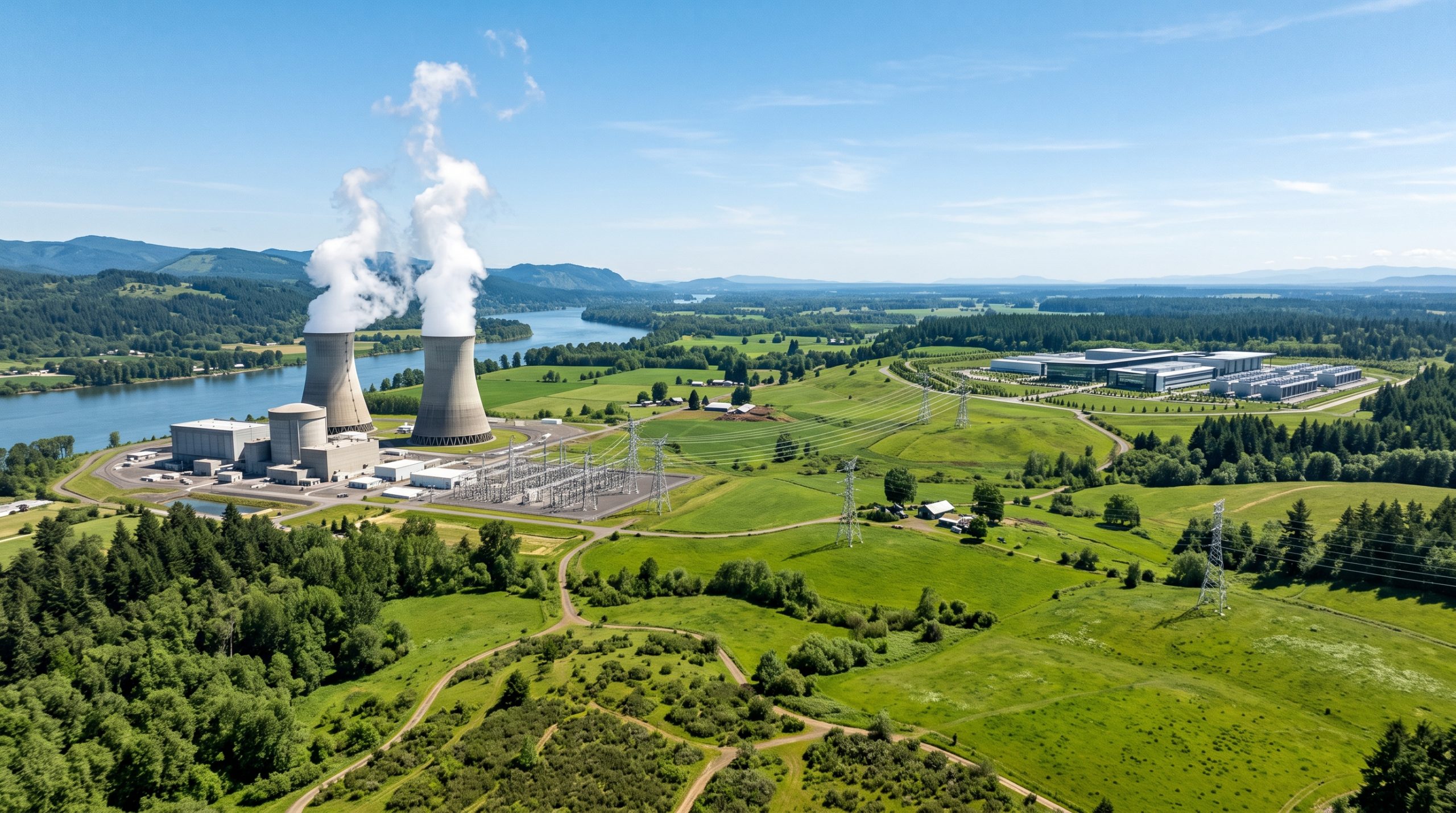
In the corporate plan, ExxonMobil said that it had roughly 9 MT of carbon dioxide (CO2) under contract with third-party customers for the world’s first large scale end-to-end carbon capture and storage (CCS) system. ExxonMobil also advance its first integrated CCS-enabled low-carbon data center project offering.
The first CCS project began operations this year, and additional projects with partners like Linde, Nucor, and New Generation Gas Gathering (NG3) will start up in 2026. The company is also advancing integrated CCS-enabled low-carbon data center projects, targeting a final investment decision by late 2026, reinforcing its ability to unlock new markets through CCS.
ExxonMobil’s strategy is centered around investing in low-carbon solutions that can work within the oil and gas industry, like hydrogen and CCS, rather than branching outside the industry with wind and solar.
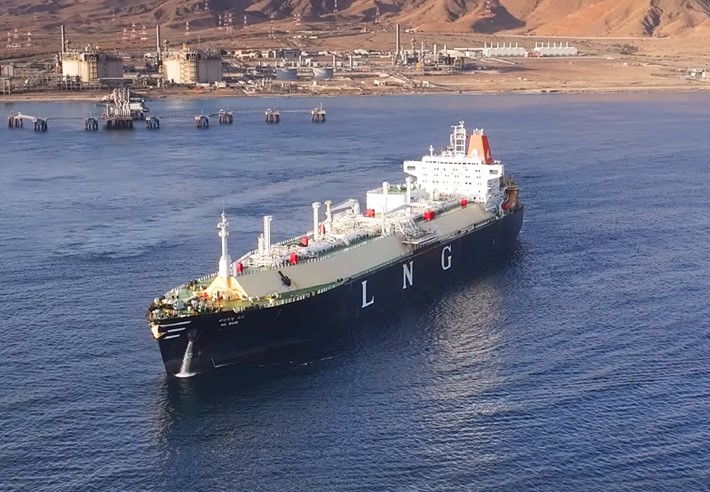
“ExxonMobil’s business will continue to evolve to meet society’s needs through 2030 and beyond,” said ExxonMobil in its updated corporate plan. “This includes strengthening the upstream business with continued growth in the Permian Basin and new LNG [liquefied natural gas] project startups in Papua New Guinea and Mozambique, as well as developing high-value products in the Product Solutions portfolio. The company is also growing new businesses that have the potential to reach US$13 billion in earnings by 2040 as lower-emissions markets mature, including technology-driven Proxxima systems and carbon materials. To this end, the company is pursuing approximately US$20 billion of lower-emission investments between 2025 and 2030, with approximately 60% focused on reducing emissions for third-party customers. Pacing of these opportunities will continue to be contingent on the development of supportive policy and broader market formation, balancing risks and opportunities to ensure strong returns, and delivery of shareholder value. New businesses like Proxxima systems, carbon materials, CCS, hydrogen, lithium, and others create a long runway of profitable growth for ExxonMobil for decades to come.”
US$20 billion toward lower-emission investments may sound like a lot, but it’s lower than ExxonMobil’s previous guidance for US$30 billion in low carbon investments from 2025 through 2030.
The pullback in low-carbon investments could be a result of ExxonMobil meeting its climate taggers ahead of schedule, as well as profitability concerns with low-carbon projects. At the time of theUS$7 billion Baytown, Texas blue hydrogen project pause in late November, ExxonMobil cited weak customer demand, high costs, and uncertainty around profitability.
Another way of interpreting the corporate plan cut is a shift away from hydrogen toward carbon capture. While ExxonMobil’s Baytown pause is certainly a blow to the hydrogen economy, its CCS commitments remain strong. ExxonMobil has captured 120 MT of CO2 and plans to reach 30 MTPA of carbon capture by 2030, primarily through carbon capture infrastructure along the US Gulf coast. For context, Phase 2 of the Northern Lights CCS project in Northern Europe is expected to produce 5 MTPA of carbon capture.
ExxonMobil’s updated corporate plan showcases why the energy transition is constantly evolving. The oil and gas major is cutting its low carbon investments while simultaneously achieving its climate targets ahead of schedule.
ExxonMobil is doubling down on oil and gas through increased production, higher margins, and cost savings. ExxonMobil can now generate more earnings and free cash flow per barrel of oil equivalent. These efficiency improvements will allow ExxonMobil to invest through the cycle, even during downturns. ExxonMobil can break even at far lower oil and gas prices than five to 10 years ago thanks to an emphasis on high-margin assets like the Permian Basin, LNG, and production offshore Guyana.
“As I’ve said many times, ExxonMobil is not defined by our products, but by our capabilities,” said ExxonMobil chief executive officer and chair Darren Woods in the updated corporate plan press release. “Our transformation helps ensure that in any future market environment, and for decades to come, ExxonMobil will have an important role and deliver substantial shareholder value.”