Rare-Earth-Free Generator For Wind Turbines
New Winergy Design Increases Power Density While Cutting Noise And Rare-Earth Use
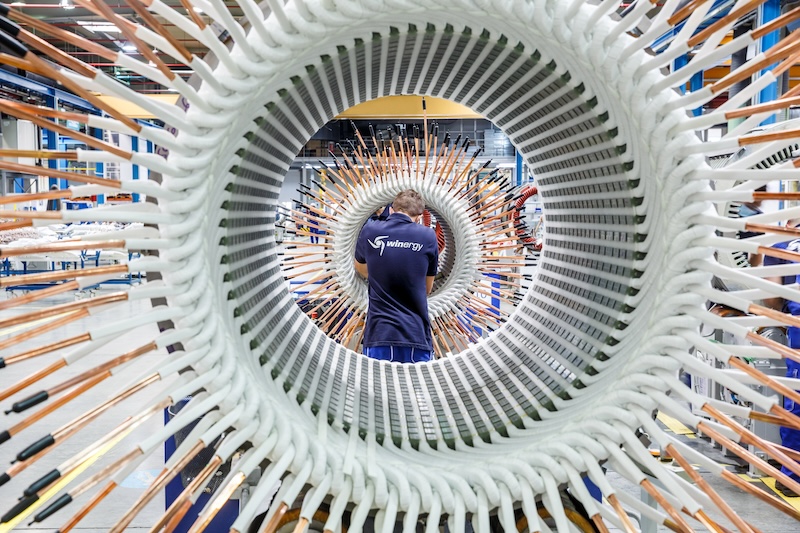
German drivetrain manufacturer Flender unveiled a new wind turbine generator concept at WindEnergy Hamburg. The design, called Winergy GENERA, is a validated generator concept and technology package that the company’s wind energy brand, Winergy, configures into individual turbine projects.
The introduction comes as wind turbines continue to grow in size and output onshore and offshore, while the broader energy debate increasingly centers on supply security and affordability.
“With Winergy GENERA we are doing more with less,” said Tommy Rahbek Nielsen, president of Winergy. “We combine very low noise with high power density and improved reliability, while eliminating magnets and rare earth materials – even in high power turbine classes. That reduces material input and improves the economics of wind projects.”
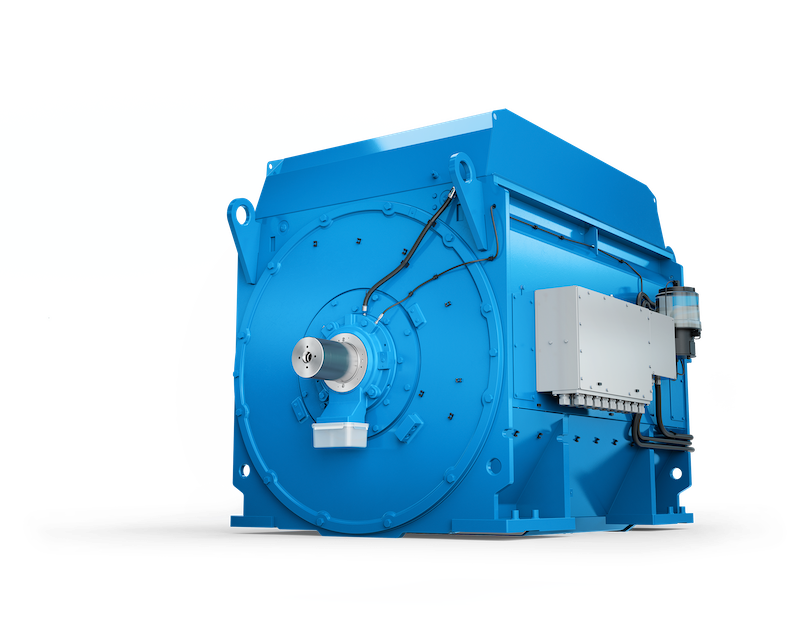
The validated design delivers power densities of up to 700 W/kg (about 318 W/lb), a 10% increase over the previous generation and comparable competing products. According to Flender, that figure is currently unmatched in the wind industry. Generator length is reduced by 25% compared with the previous generation, allowing the generator to fit into the nacelle and keeping transport by standard truck and container feasible for turbine classes above 10 MW. Because the design doesn’t require external cooling fans, it consumes no auxiliary power for cooling, which Flender says increases a turbine’s annual energy production.
Noise emissions are 6 dB(A) lower than in the previous generation, making turbine operation quieter. Lower turbine noise levels give project developers more headroom at noise-sensitive sites and support local acceptance.
GENERA is based on a Doubly Fed Induction Generator (DFIG) design and is available across power classes without depending on rare earth materials in any of them. The difference becomes most relevant above 10 MW, where competing generator concepts typically rely on permanent magnets containing rare earths, whereas GENERA does not. Rare earths are available in limited quantities, and their mining and processing are concentrated in a few regions worldwide, exposing turbine manufacturers to price volatility and supply risk. A generator design that eliminates rare earths removes that dependency from the drivetrain.
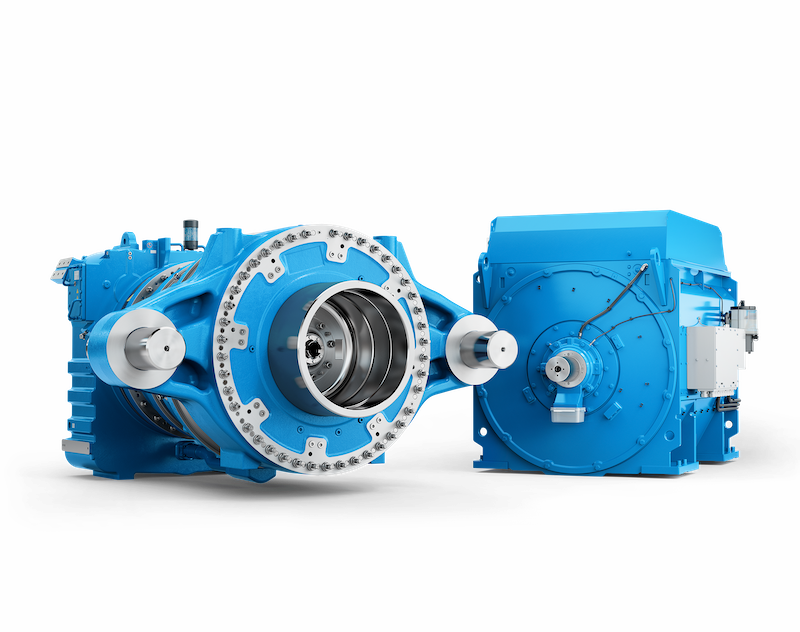
Depending on project requirements, windings can be specified in aluminum or copper. Copper remains in tight supply. The International Energy Agency projects a global supply deficit of around 25% by 2035, and copper prices reached record highs in early 2026. Specifying aluminum gives turbine manufacturers a second option for a material that affects both project cost and delivery reliability.
“Winergy GENERA shows that high performance and cost efficiency are not contradictory,” added Jörg Sieber, vice president of wind generators in Flender’s wind segment. “We are increasing power density, reducing noise and lowering material use – in one solution. That helps our customers improve the overall economics of their wind projects.”
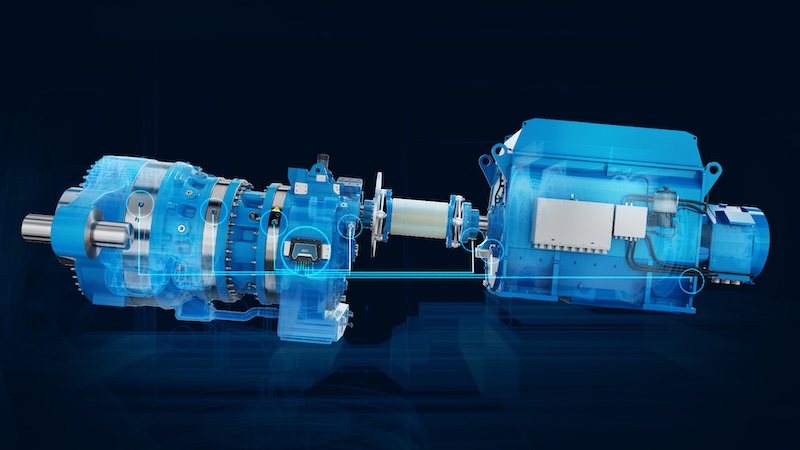
GENERA is designed to work with any gearbox and is optimized in combination with the Winergy REVO gearbox system, Flender’s gearbox concept for wind turbines. REVO was the first drive concept to reach a torque density of 300 Nm/kg (about 100 lb-ft/lb), which enables more compact turbine designs or higher output without increasing size. Combined, the two concepts form a drivetrain that pairs new technology with established components.
Key drivetrain benefits of the combination include an optimized gear ratio for high efficiency across the system, robust support for reactive power and grid compatibility, and smooth integration into wind power plants.
“Winergy GENERA is not a standalone generator but part of a system approach,” Nielsen emphasized. “By coordinating gearbox and generator design, especially in combination with REVO, we can offer our customers drivetrain solutions that are built for the future turbine generations.”
Not every project requires the full technology package. “Together with our customers, we configure the solution that is optimal for each project instead of a one-size-fits-all approach,” Nielsen said. From winding material to noise and logistics constraints, GENERA offers configuration options while maintaining consistent reliability standards.
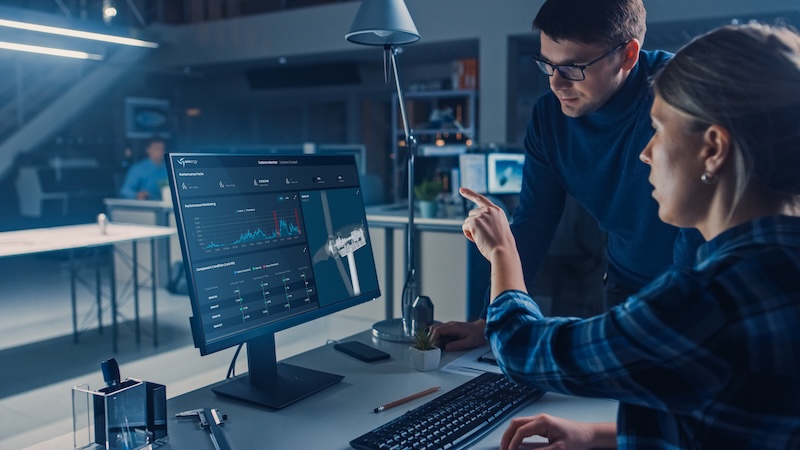
GENERA is also part of Flender’s service and digitalization offering. With AIQ, the company’s drive-intelligence platform also available across the Winergy portfolio, operators can monitor the condition of an entire drivetrain, from the main bearing through the gearbox and coupling to the generator. AIQ Orbit combines up to eight AIQ Pulse vibration sensors with integrated speed monitoring and consolidates the data in the AIQ web portal, which shows the condition of individual turbines as well as an entire wind farm.
Winergy’s condition-monitoring specialists translate the monitoring data into maintenance recommendations. Combined with long service intervals, Flender says this is intended to reduce unplanned downtime and maintenance costs while supporting high turbine availability.
Flender says drivetrain efficiency directly affects the cost of wind power and how quickly capacity can be added. Lower component mass reduces requirements for towers, foundations, and logistics, and compact designs keep sites accessible that would otherwise be difficult to reach.
“Wind energy has become a central pillar of a secure energy supply in Europe,” said Andreas Evertz, chief executive officer of the Flender Group. “Every kilogram of material saved and every point of efficiency gained makes wind power more competitive – and competitiveness determines how fast the industry can build. GENERA and REVO are our contribution to that.”
Flender, headquartered in Bocholt, Germany, has manufactured gear units, couplings, and generators for more than 125 years and employs more than 8000 people worldwide.