The Critical Role Of Advanced Boil-Off Gas Compression
Compression Efficiency And Sustainability Fulfill Ever-Changing Energy Needs
By Annie Savarimuthu
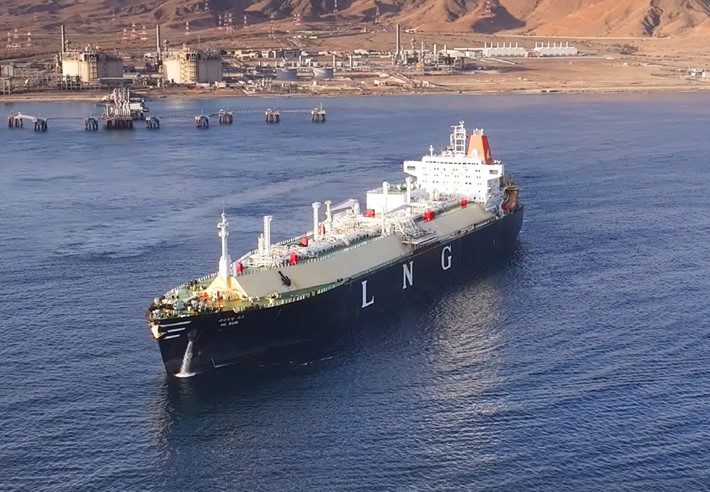
The transition from traditional fuels to cleaner energy sources is accelerating demand for liquefied natural gas (LNG). Its lower emissions profile makes LNG an important bridge fuel that supports energy security as the global energy mix evolves. Because LNG can be transported efficiently over long distances and is widely available, it is also a resilient and versatile energy option.
When managed effectively, LNG produces lower carbon dioxide (CO₂) emissions than diesel, gasoline, and oil. Efficiency and sustainability are paramount in the LNG industry, and that emphasis is clearest in LNG and boil-off gas (BOG) compressor technology for liquefaction terminals and floating storage and regasification units (FSRUs).
Although regulatory pressure to reach net-zero greenhouse gas emissions is waning, the industry’s drive toward decarbonization continues, keeping efficiency and sustainability in focus. Compressors that rely on continuous purging can lose considerable amounts of gas, which makes it increasingly important to minimize purge volumes and contain internal leakage.
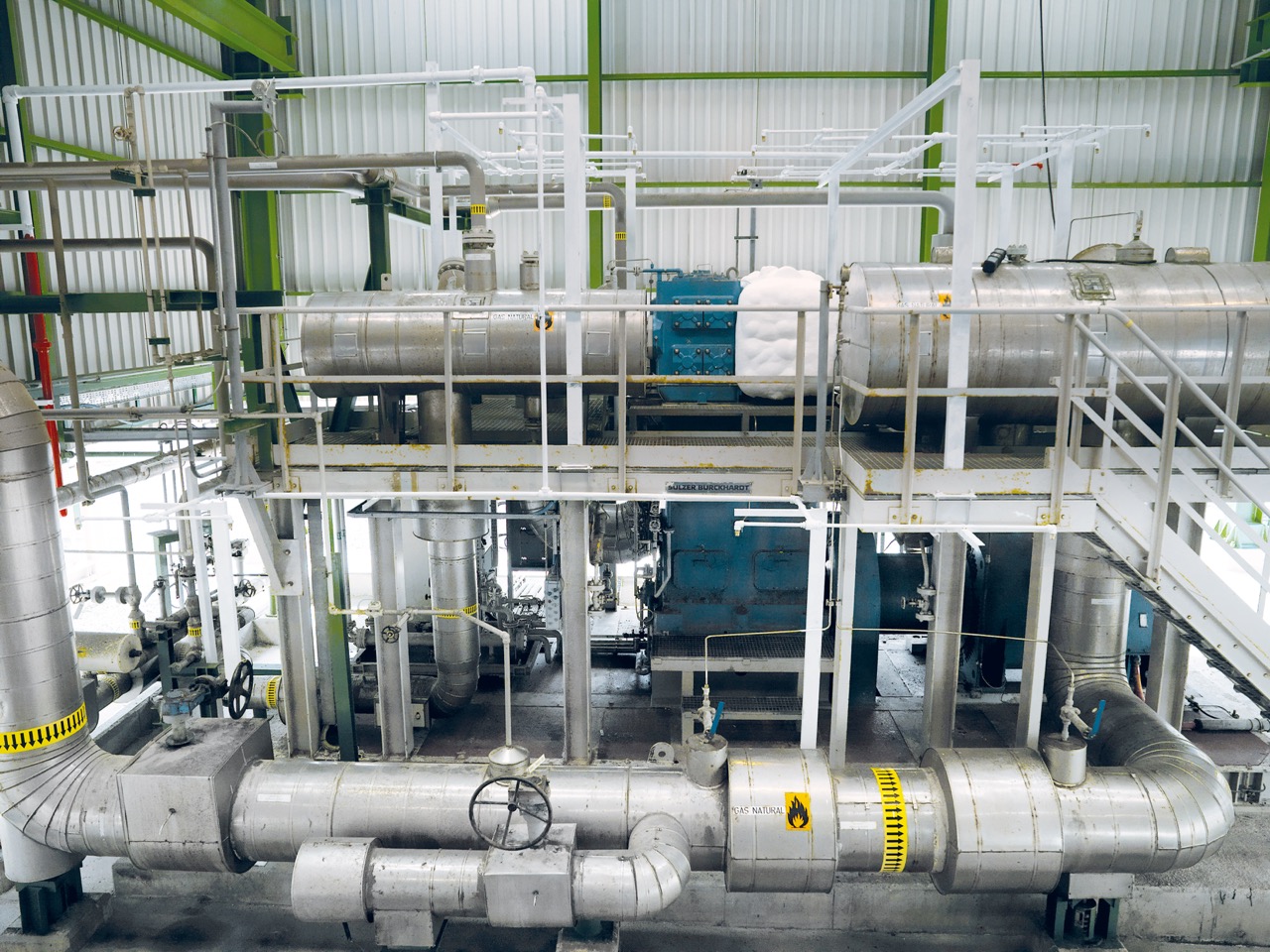
BOG compressors must handle a broad temperature range without relying on preheaters, regular bypass, or recycling. At liquefaction terminals, specialized multi-stage compressors manage excess BOG generated during storage and ship loading. On FSRUs, BOG compression controls tank pressure while delivering gas to grid networks at the required pressure.

Proper application of advanced LNG-BOG technology starts with sizing and selecting the compressor, including its cylinder and loading configurations and other design specifications.
Unloading, or adjusting a compressor’s operating capacity, is also important. For instance, a compressor may need to run at 100% one day and only 75% the next. Advanced compressor technology accommodates these capacity fluctuations, reducing unnecessary energy use, minimizing flaring, and optimizing equipment life.
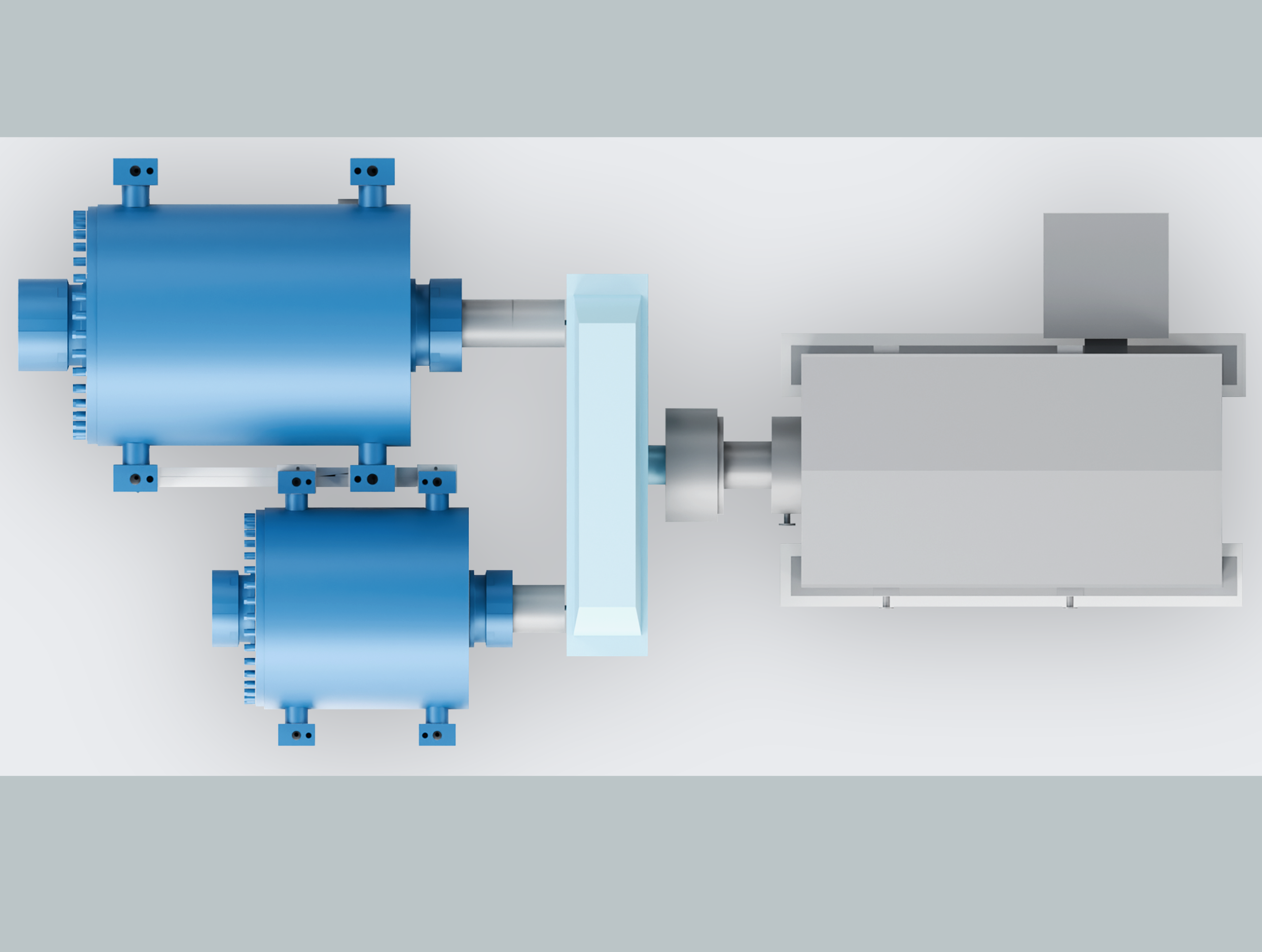
An effective supplier works closely with the customer to identify a single compressor that can handle multiple applications, rather than investing in several pieces of equipment. A multi-cylinder compressor, for example, lets users choose which cylinder serves a specific application, resulting in a smaller footprint and optimized energy use.
Service networks that include aftermarket and digital services help extend a compressor’s working life. For example, today’s digital services and products provide monitoring and diagnostics that can significantly reduce unexpected downtime. Many LNG-BOG compressor manufacturers offer aftermarket and digital services to customers who own compressors from other brands.
As the energy transition continues, demand for efficient and sustainable compression will remain critical. Meeting that demand takes more than technology alone. It also takes compressor suppliers with the expertise, service capabilities, and balanced business strategy to support today’s energy infrastructure while investing in solutions for the evolving energy landscape.
About The Author
Annie Savarimuthu is president, systems division, of Burckhardt Compression US.